The sound hits you before anything else — a deep, resonant kirtan echoing off white marble walls, carried on a breeze that smells of cardamom chai and incense. Standing where Punjab's golden plains collide with the forested Shivalik foothills, Anandpur Sahib isn't just a city on a map. It's a pulse. Founded in 1665 by Guru Tegh Bahadur, the ninth Sikh Guru, its name translates to "the holy city of bliss" — and within minutes of arriving, you'll understand why that name has endured for over three centuries.
Where the Plains Meet the Mountains
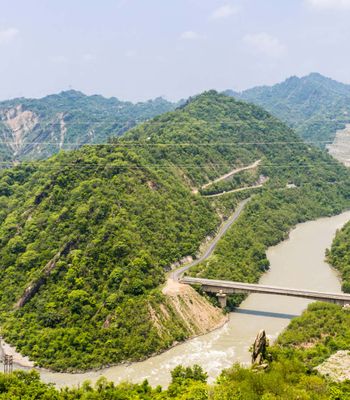
Most of Punjab stretches flat and golden to the horizon, acre after acre of wheat and mustard. Anandpur Sahib breaks that pattern dramatically. Here, the Sutlej River carves its ancient path through the terrain, and the rugged Shivalik Hills rise to the east like a green curtain separating the plains from the lower Himalayas.
Visit during monsoon and those hills turn an almost electric emerald, a stunning contrast against the gleaming white gurdwaras that dot the skyline. Come in winter, and the air sharpens to crystal — you can trace every ridge and ravine in the surrounding landscape with perfect clarity. No matter when you arrive, the collision of sacred architecture and wild terrain gives this city a personality you won't find anywhere else in the state.
The Ground Where the Khalsa Was Born
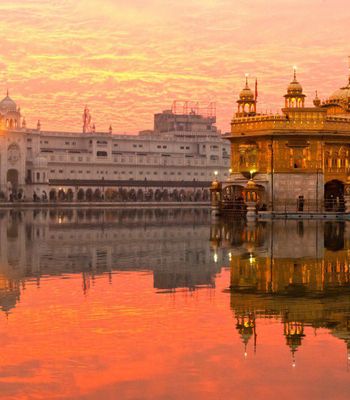
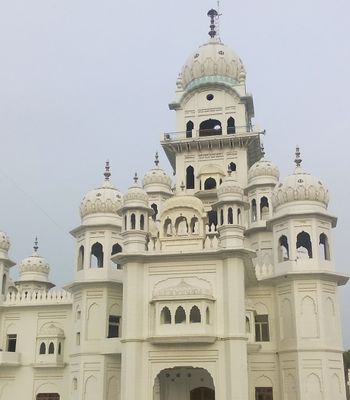
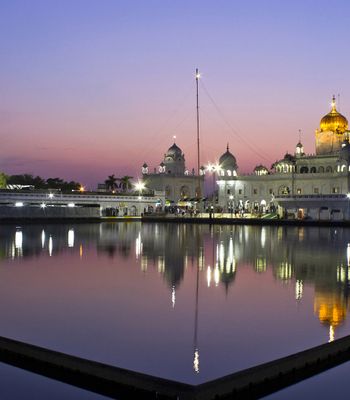
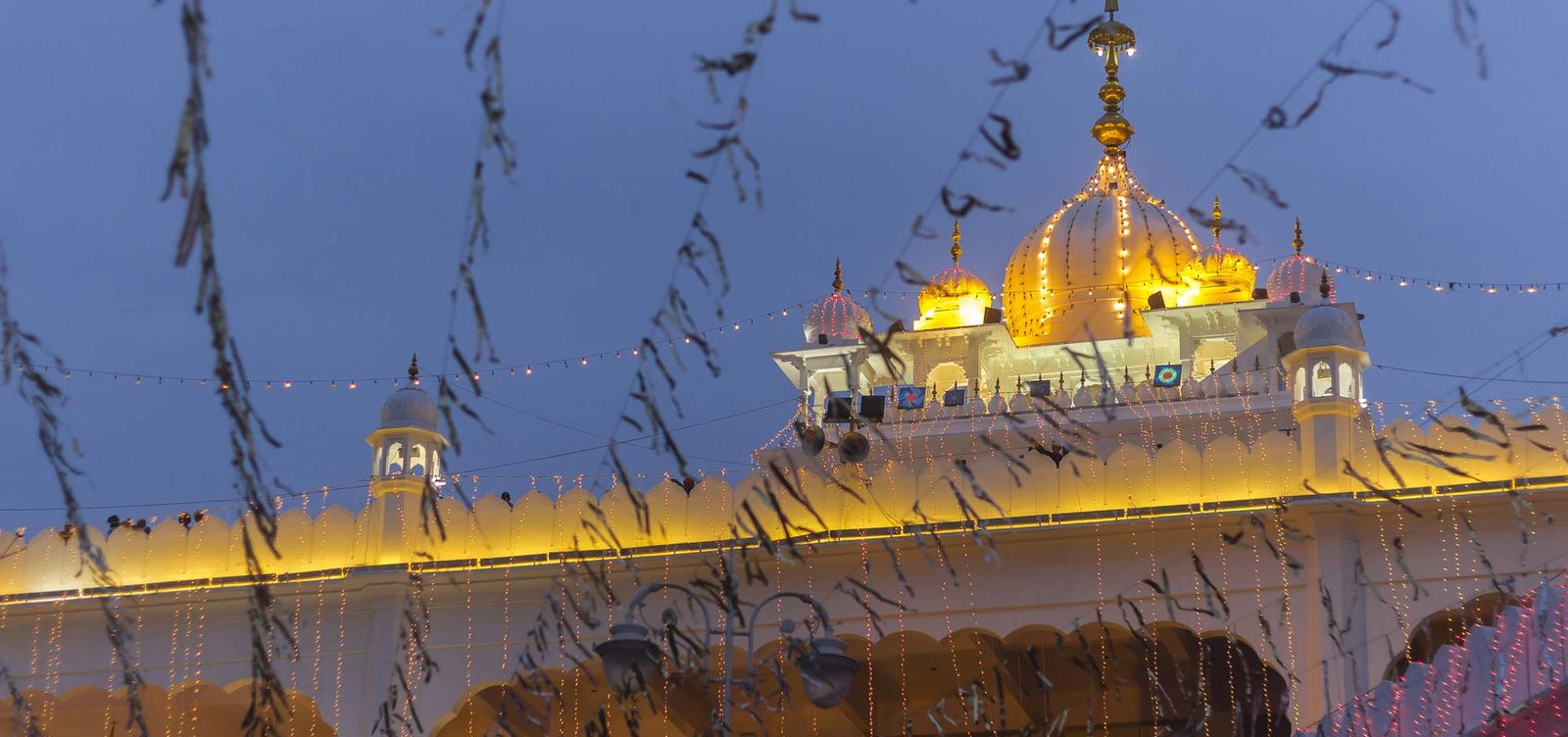
Takht Sri Kesgarh Sahib sits at the city's spiritual core, and its significance is staggering. One of only five Takhts — seats of temporal authority in Sikhism — this is the very ground where Guru Gobind Singh established the Khalsa in 1699, forever altering the course of Sikh history.
Walk through the complex slowly. Let the continuous recitation of hymns wash over you. Watch devotees bow in quiet prayer, foreheads touching cool marble floors. Whether you follow the Sikh faith or you're simply someone who gravitates toward sacred spaces, the gravity here is unmistakable. It settles into your chest and stays.
A City Written in Gurdwaras
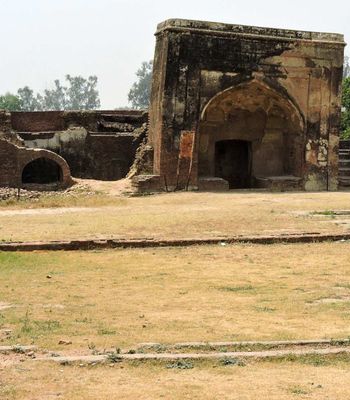
Beyond the Takht, Anandpur Sahib unfolds like a living timeline. Several historic gurdwaras are scattered across the city, each one marking a pivotal chapter in Sikh history:
- Gurdwara Sisganj Sahib
- Gurdwara Bhora Sahib
- Gurdwara Damdama Sahib
- Gurdwara Manji Sahib
Wander between them on foot, and the city's layered past reveals itself with each turn. Hire a local guide if you can — their storytelling transforms stone and plaster into vivid, breathing narrative. What might take thirty minutes alone becomes a two-hour journey you won't want to end.
A Museum That's a Masterpiece Itself
Designed by world-renowned architect Moshe Safdie, the Virasat-e-Khalsa museum looks like it grew straight out of the Shivalik Hills. Its flowing sandstone forms mirror the ridgelines behind it, and twin complexes are connected by a pedestrian bridge stretching over a still reflecting pool — the kind of architecture that makes you stop mid-step and just stare.
Inside, multimedia exhibits and carefully preserved artifacts trace the full arc of Sikh heritage with a depth and artistry that rivals any museum on the subcontinent. Block out at least two hours, though you may find yourself lingering longer. Every gallery rewards patience.
Hola Mohalla: When the City Roars to Life
Steel clashes against steel. Horses thunder past in clouds of dust. Turbans are tied in elaborate, gravity-defying towers as crowds numbering in the hundreds of thousands press shoulder to shoulder. This is Hola Mohalla — the extraordinary martial festival established by Guru Gobind Singh himself, typically held each March.
Over several electrifying days, the city transforms into a stage for mock battles, sword fighting, daring horse riding, and poetry recitations that send shivers down your spine. Massive community meals called langars feed everyone who shows up — regardless of caste, creed, or nationality — with steaming dal, freshly made rotis, and endless cups of chai. Few cultural events in all of India match its raw, joyful power.
Eat Like You Mean It
Forget dainty portions. Anandpur Sahib feeds you the way Punjab has always fed its people — generously. Duck into a roadside eatery and order sarson da saag with makki di roti, the mustard greens rich and buttery, the cornmeal flatbread smoky from the tandoor. Chase it with a thick, frothy glass of fresh lassi, sweet or salted — your call.
Hospitality here isn't performative; it's reflexive. Don't be surprised when a stranger insists you sit, eat more, and stay a little longer. That warmth is as much a part of Anandpur Sahib as any gurdwara.
Getting There Without the Hassle
Chandigarh sits roughly 90 kilometers to the southwest, making it the most convenient launching point by road. The nearest railway station at Nangal Dam is just a short drive from the city, and regular bus services connect Anandpur Sahib to major towns across Punjab. Once you're here, the city is compact enough to explore largely on foot — which is exactly how it deserves to be experienced.
A Story Still Being Told
Some places you visit and photograph. Others you carry home in your bones. Anandpur Sahib belongs firmly in the second category. The land, the faith, and the people have been weaving the same story here for over three hundred years — and every traveler who walks these streets becomes, even briefly, part of it.