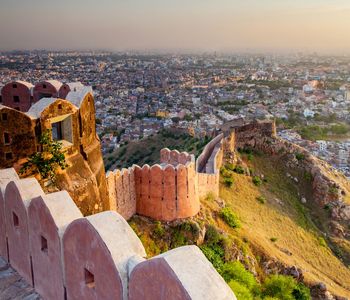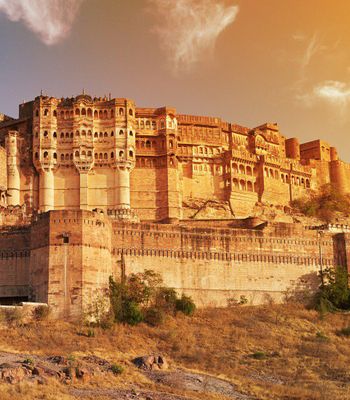
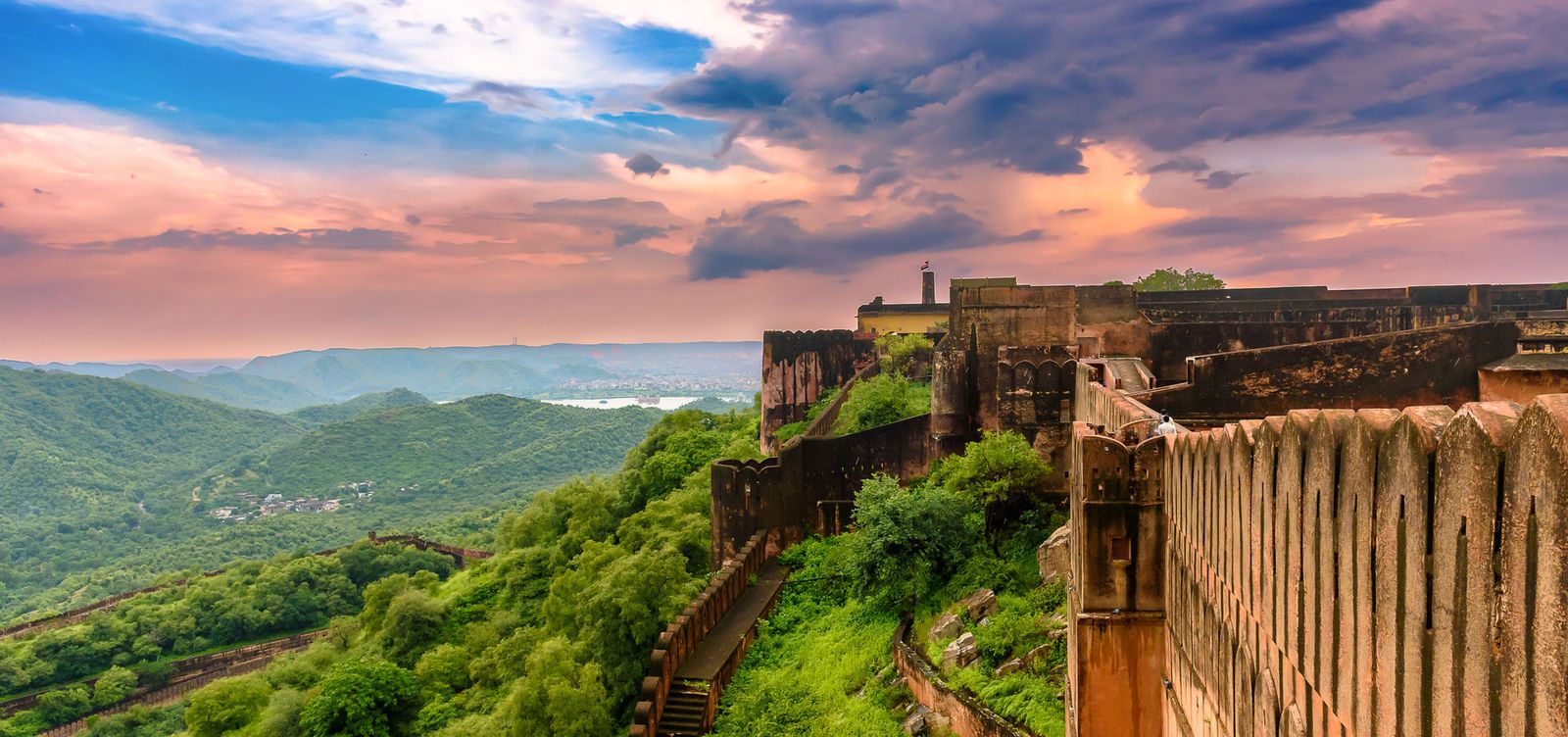
With its dramatic hilltop setting, Jaigarh Fort overlooks the city of Jaipur in Rajasthan, northern India. Its long history earned it the title "Fort of Victory," drawing visitors throughout the year. Built as a symbol of military strength and architectural skill, the fort remains one of Jaipur’s most significant historic landmarks.
Uncovering the Historical Background
In the early 1700s, the region experienced frequent military activity due to its valuable natural resources. Iron ore mines were abundant in the surrounding hills, and this ore was essential for producing cannons and weapons used across northern India. The strategic value of these resources increased the need for strong defensive structures.
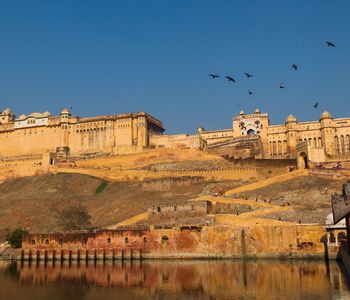
To safeguard the area and the nearby Amer Fort, Maharaja Sawai Jai Singh II commissioned Jaigarh Fort in 1726. Although primarily constructed as a military stronghold, it also functioned as a secure royal residence. Weapons and artillery were stored within its walls, reinforcing its defensive purpose. The fort became known for its thick sandstone ramparts, imposing watchtowers and concealed underground passages. Its elevated position and formidable design discouraged potential invaders and demonstrated the strength of the Rajput rulers.
Discovering the Architecture and Design
Red sandstone forms the exterior walls, giving the structure a warm, commanding appearance. The fort stretches roughly two miles in length and half a mile in width, emphasizing its expansive defensive layout. Battlements and watchtowers line the perimeter, allowing guards to monitor approaching threats. Despite its military focus, Jaigarh Fort displays refined architectural details. Carved elements and decorative features reflect both Mughal and Rajput influences, blending strength with elegance.
Inside the complex, visitors find large courtyards, administrative halls and residential quarters arranged with practical efficiency. At the center stands a 160-foot square garden that once provided a peaceful retreat within the fortified walls. The design balances defense with daily life, illustrating how the fort supported both soldiers and royalty.
A network of underground passages connects Jaigarh Fort to Amer Fort. These concealed routes served as emergency escape corridors if either stronghold came under attack. Today, select sections are open to visitors, offering insight into the strategic planning that defined the fort’s construction. The passages highlight the foresight of its builders and their commitment to security.
Inspecting the Jaivana Cannon
One of the fort’s most celebrated features is the Jaivana Cannon. Jaigarh housed a cannon foundry where skilled craftsmen used locally mined iron to forge artillery. High temperature furnaces, fueled by strong mountain winds, enabled the production of large scale weapons. The Jaivana Cannon emerged from this advanced system.
Measuring about 20 feet in length, the Jaivana Cannon was once considered the largest cannon on wheels in the world. Historical accounts suggest it was never used in battle. According to legend, it was fired only once for testing purposes. With a substantial charge of gunpowder, the cannonball reportedly traveled more than 20 miles. While the story may be exaggerated, the cannon remains an impressive symbol of engineering ambition and military capability.
Knowing the Property's Strategic Importance
Jaigarh Fort stands atop the Aravalli Mountain Range, one of the oldest mountain systems in the world. The surrounding hills create a natural defensive barrier and provide sweeping views of the valleys below. From this vantage point, guards could detect advancing forces long before they reached the fort. The elevated position also allowed rulers to monitor important trade routes, ensuring economic stability and regional control.
Strategic planning extended beyond military defense. The fort incorporated an advanced water harvesting system designed to collect and store rainwater. Massive underground tanks held millions of gallons, ensuring a reliable supply during dry seasons or prolonged sieges. This infrastructure allowed residents to remain self sufficient even during extended conflicts.
Visiting Jaigarh Fort Today
Today, Jaigarh Fort operates as a major tourist attraction. It is open daily from morning until early evening and requires an admission fee. Discounted rates are typically available for local residents and students, while international visitors pay a separate fee. Because the grounds are uneven, comfortable footwear is recommended.
Visitors can explore the armory, museum displays and expansive ramparts while enjoying panoramic views of Maota Lake and Amer Fort. The site offers a comprehensive look at Rajasthan’s military history and architectural heritage. Jaigarh Fort continues to stand as a testament to strategic vision, engineering skill and the enduring legacy of Jaipur’s royal past.