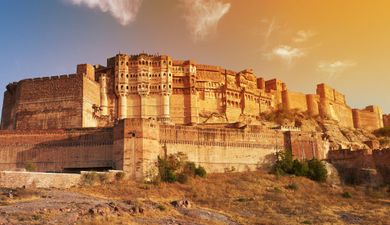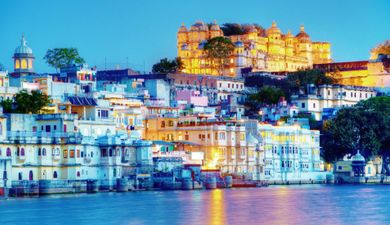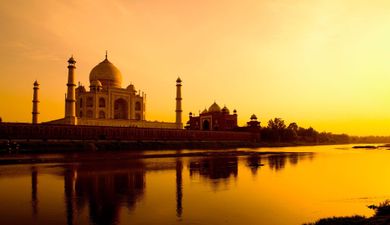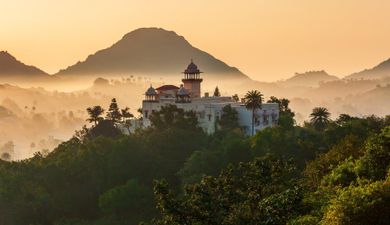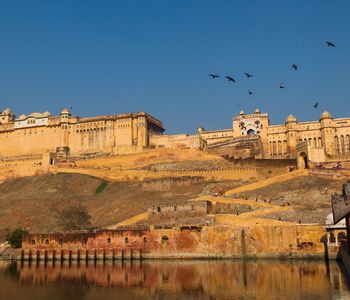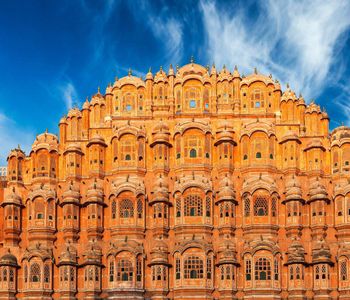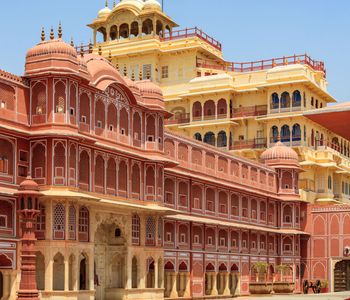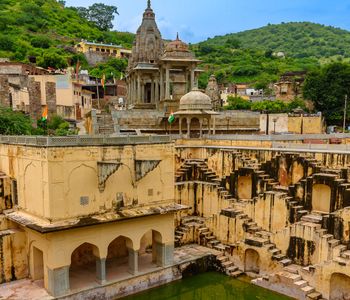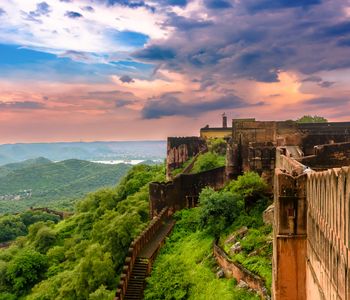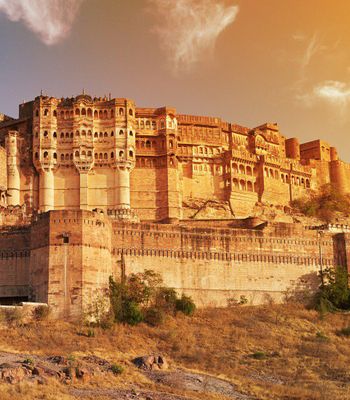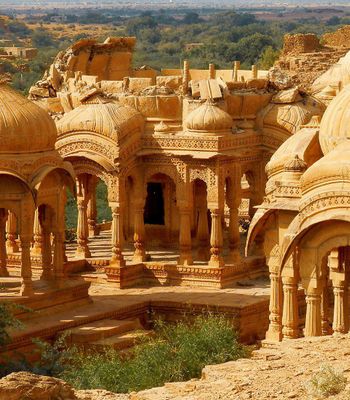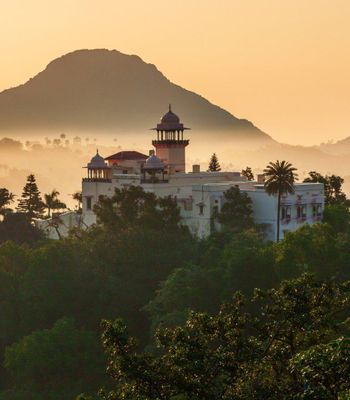
The sun hits the sandstone walls and they glow like embers against a bruise-blue sky. Up here, on the jagged spine of the Aravalli Hills, Nahargarh Fort doesn't just overlook Jaipur — it commands it. Built in 1734, this fortress weaves together royal ambition, ghostly legend, and some of the most jaw-dropping views in all of Rajasthan. Whether you come for the history, the golden-hour photographs, or simply to feel the warm desert wind on your face, Nahargarh has a way of staying with you long after you descend the hill.
A Ghost Story Written in Stone
"Nahargarh" means "abode of tigers" — and the story behind this place is every bit as wild as the name suggests. Legend has it that the spirit of a Rajput prince named Nahar Singh Bhomia refused to let the fort exist. Night after night, freshly built walls crumbled to rubble. Workers arrived each morning to find their progress undone, as if the hilltop itself were rejecting the construction.
The solution? A temple. Builders erected a shrine to Nahar Singh Bhomia right within the fort's walls, and — just like that — the mysterious destruction stopped. You can still visit this small temple today; locals leave offerings of flowers and vermillion, and the air around it carries a quiet reverence that's hard to shake. It's this kind of layered mysticism that separates Nahargarh from the usual fortress-on-a-hill experience.
Centuries of Power, Layer Upon Layer
Maharaja Sawai Jai Singh II built Nahargarh as a defensive retreat for his newly founded city. Together with Amber Fort and Jaigarh Fort, it formed a triple ring of protection across the Aravalli ridgeline — a wall of royal muscle designed to deter any invader who dared approach. Remarkably, no enemy ever breached these gates. The fort's power lay in its presence alone.
But Nahargarh didn't stay frozen in the 18th century. Maharaja Sawai Ram Singh expanded it significantly in the 1800s, and Maharaja Sawai Madho Singh added further embellishments in 1883, transforming what began as a military stronghold into a lavish royal escape. Walk through its rooms and you're essentially reading Jaipur's dynasty in sandstone — each generation leaving its fingerprint on the walls.
Where Rajput Grandeur Meets European Flair
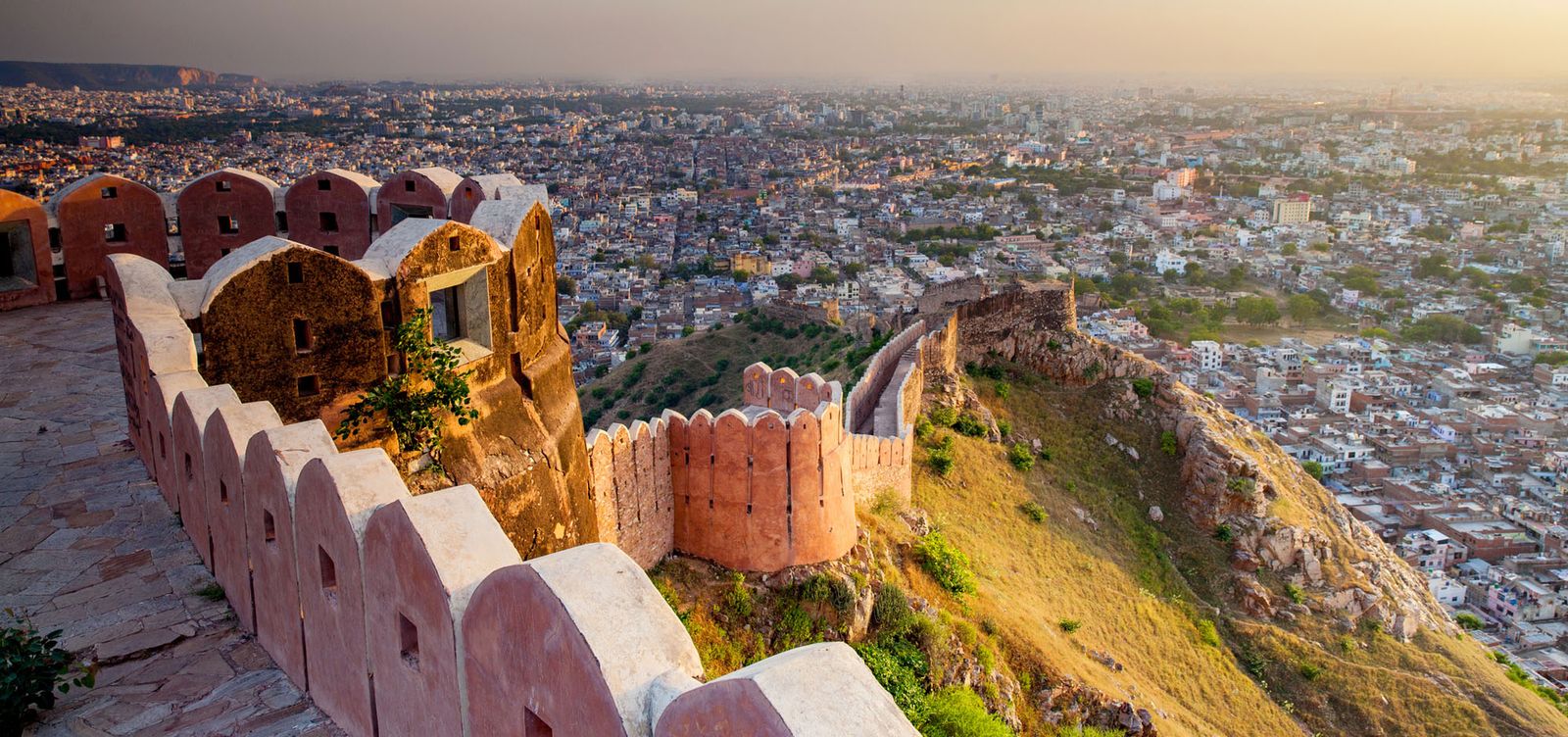
Step inside and notice how the architecture shifts mood from corridor to corridor. Delicate Rajput carvings give way to arched doorways with a distinctly European flourish. Grand courtyards open unexpectedly, catching the light in ways that make you stop mid-stride. The fort stretches along the full ridge, its crenellated walls snaking across the hillside for kilometers — a sight that feels almost cinematic from below.
Madhavendra Bhawan: A Palace of Twelve Queens
Here's where Nahargarh gets truly fascinating. Madhavendra Bhawan was designed for the king's twelve queens — and each one received an identical suite of rooms. No favoritism, no hierarchy in the floor plan. A shared corridor connected all twelve suites to the king's central chambers, giving him private access to each. Linger in these rooms and study the faded frescoes, the symmetrical arched windows, the clever ventilation shafts that kept the desert heat at bay. The precision here isn't just architectural — it's political.
Ramparts That Steal Your Breath
Nothing quite prepares you for the view from the battlements. Jaipur unfurls below in a patchwork of terracotta rooftops, pink-washed facades, and the distant shimmer of palace domes. Bazaars you walked through that morning shrink to colorful ribbons of movement. Then, as the afternoon deepens and the sun drops low, the entire city turns amber — that famous golden hour when photographers jostle for position and even the most seasoned travelers go quiet. Arrive about an hour before sunset. You'll thank yourself.
More Than History: What Awaits Inside the Walls
Nahargarh has reinvented itself without losing its soul. Beyond the ancient corridors, you'll find attractions that surprise even repeat visitors:
- Wax Museum: India's first wax museum lives right here inside the fort, showcasing eerily lifelike figures of historical icons and contemporary celebrities. It's unexpected — and oddly delightful.
- Sheesh Mahal: Step into this mirror palace and watch the light fracture into a thousand tiny suns across its intricate glasswork. Even a few minutes inside feels transportive.
- Nahargarh Biological Park: Just down the road, this wildlife park shelters lions, tigers, leopards, and several deer species — a perfect detour for families with restless kids.
- Sunset Point: A designated stretch of the ramparts where crowds gather at dusk. The energy is infectious — strangers sharing the same speechless wonder as the sky ignites.
- Café Padao: A government-run rooftop restaurant perched on the fort's edge. Order a hot chai, lean back, and let the panorama do the rest. The food is simple, but the setting is five-star.
Your Practical Guide to Getting There
The Road Up
Nahargarh Fort sits roughly 19 kilometers from Jaipur's city center, high in the Aravallis above the old town. Getting there is half the fun — the road winds upward through scrubby hillside, and the city views grow more dramatic with every switchback.
- Auto-rickshaws and taxis are easy to flag from Jaipur's main markets and will deliver you straight to the fort's entrance gate. Negotiate the fare before you climb in.
- Private car hire works beautifully if you want to combine Nahargarh with Amber Fort and Jaigarh Fort in a single day — a trio that tells the complete story of Jaipur's defenses.
- Local buses run between the city and the fort area, though the steep final stretch may mean a short uphill walk to the gates. Wear shoes you trust on loose gravel.
Tickets, Timing, and What to Know Before You Go
Gates swing open daily from 10 a.m. to 5:30 p.m. Entry fees are modest — Indian nationals pay a lower rate, while international visitors pay slightly more. Some interior sections charge a small camera fee, so tuck a few extra notes into your pocket. Prices do get updated periodically; a quick check online before your trip saves any surprises at the ticket window.
When the Fort Is at Its Finest
- October through February: Rajasthan's cooler months make all the difference. Temperatures are gentle enough for long, unhurried exploration — no ducking into shade every five minutes.
- Early weekday mornings: Arrive right after opening and you'll have echoing corridors almost to yourself. Weekend crowds thin dramatically on a Tuesday or Wednesday.
- Golden-hour visits: Show up roughly an hour before closing. Explore the ramparts first, then plant yourself at Sunset Point as the sky shifts from copper to deep violet over the Pink City.
Stretch the Day: Forts, Cannons, and Elephant Gates
One fort is never enough in Jaipur. Amber Fort waits just a short drive away, its honey-colored walls rising above Maota Lake with a grandeur that hits you the moment you round the bend. Jaigarh Fort, connected to Amber by a hidden underground passage, guards the world's largest cannon on wheels — a colossal piece of artillery called Jaivana that you have to see to believe. Thread all three forts together and you'll walk away with a vivid, complete portrait of Jaipur's royal might.
Pack comfortable walking shoes with good grip — the terrain inside Nahargarh is uneven, with steep inclines that reward every upward step with a view worth the burn in your calves. Carry plenty of water, slather on sunscreen during warmer months, and give yourself more time than you think you need. This is a place that reveals its best details slowly.
Nahargarh Fort isn't just a monument frozen behind a ticket counter. It's a living, breathing chapter of Rajasthan's royal saga — carved in sandstone, haunted by legend, and crowned by some of the most spectacular sunsets you'll ever witness. Let the Pink City's most watchful guardian earn a permanent place in your memory.