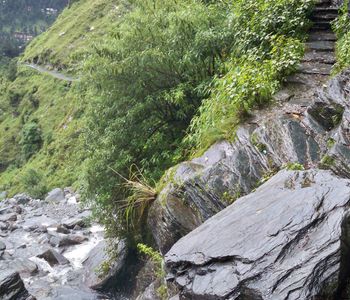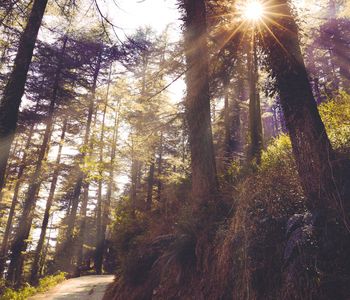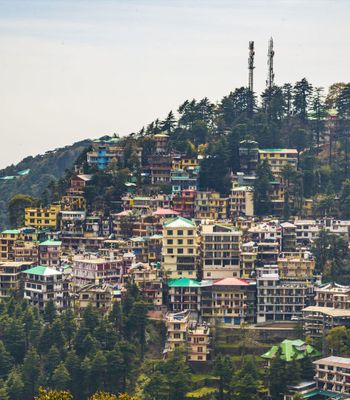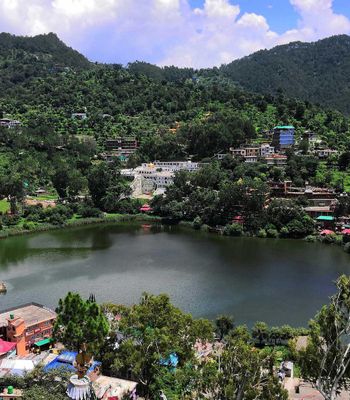
A narrow stone path climbs from the main road of Mcleod Ganj, slick with water that seems to come from everywhere — dripping off moss-covered walls, trickling across flagstones, pooling in shallow basins where devotees pause to wash their hands. This is how Bhagsunag Temple announces itself: not with a towering spire or gilded dome, but with water. The entire complex is built around natural springs that cascade down the hillside, feeding sacred pools that have drawn Hindu pilgrims and Garhwali shepherds for centuries. Here, the architecture plays second fiddle to geology. The sound of falling water drowns out the prayer bells, and the real shrine might just be the waterfall a short hike above. In Mcleod Ganj — a town whose identity runs Tibetan Buddhist to its core — this Hindu temple holds its ground quietly and without apology.
A Legend Written in Spring Water
The temple's origin story belongs to Lord Shiva and a demon king named Bhagsunag. Local tradition says the demon stole water from the sacred lake Nag Dal, provoking a fierce battle with the deity. Shiva won. But moved by the demon's eventual devotion, he granted Bhagsunag immortality through the springs that now feed the temple. The water, believers say, carries healing properties.
Whether or not you buy the mythology, the springs are real enough. They emerge cold and mineral-rich from fissures in the Dhauladhar rock face, and they haven't stopped flowing in living memory. During monsoon season, the volume surges, turning the temple's stone pools into roaring basins that throw mist across the courtyard. Even in the driest weeks of spring, the water persists — thinner, quieter, but stubbornly present, as if making a geological argument that won't be interrupted.
Stone Pools and Smoke-Darkened Walls
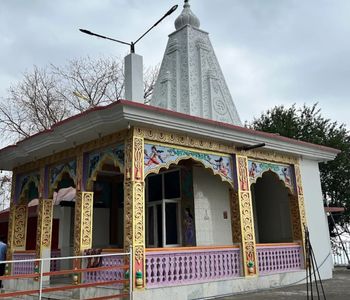
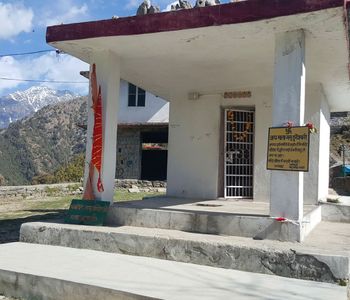
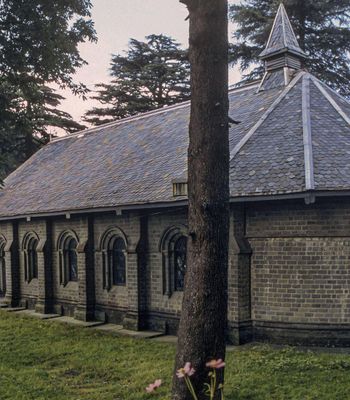
Bhagsunag won't overwhelm you with scale. The main shrine is modest — a low stone structure with a pitched roof, its interior darkened by decades of incense and oil lamp smoke. A Shiva lingam sits at the center, perpetually wet from spring water channeled through the sanctum. Smaller idols and offerings crowd the remaining space. The air inside is dense, thick with camphor and the sweet residue of burnt ghee — the kind of smell that stays in your clothes for the rest of the day.
Outside, two rectangular pools dominate the courtyard. These are the temple's true centerpiece. Fed directly by the natural springs, the water is startlingly cold — cold enough to make you gasp if you step in unprepared. Devotees bathe here as a ritual act of purification, though even nonreligious visitors often dip their feet. Stone steps line the pools, their edges rounded smooth by generations of use.
On any given morning, you'll find pilgrims performing ablutions alongside backpackers cooling off after the walk up from town. The contrast tells you everything about Mcleod Ganj: sacred and secular share the same shallow water, entirely unbothered by each other.
The Waterfall That Steals the Show
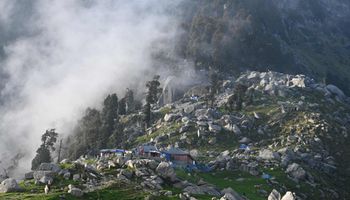
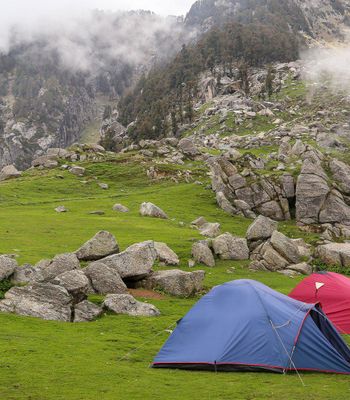
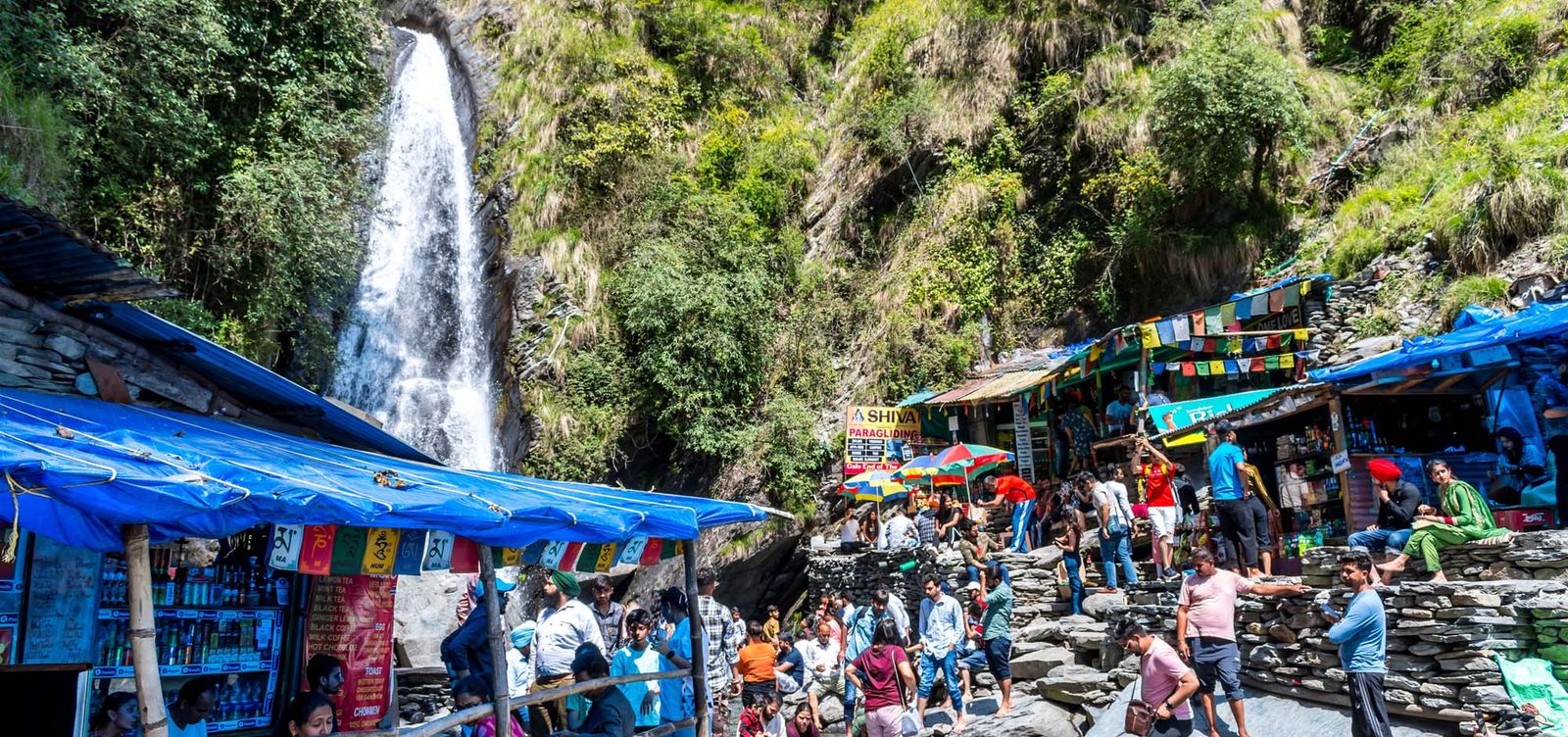
Here's the thing about Bhagsunag Temple: most people who visit it are actually headed somewhere else. About twenty minutes' walk beyond the shrine, a trail winds uphill through rocks and cafe-lined switchbacks to Bhagsu Waterfall — a cascade that drops roughly 30 feet over a sheer rock face. During and just after the monsoon months of July through September, the falls run at full force, soaking anyone standing within ten meters.
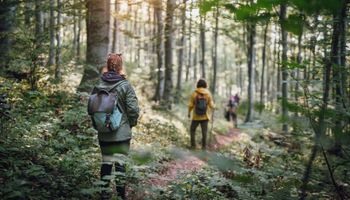
The hike itself is easy enough for most fitness levels, though the final scramble over wet boulders requires decent footwear and a willingness to get your shoes muddy. Along the route, small cafes serve lemon-ginger tea and momos at plastic tables perched on the hillside, their menus handwritten and their Wi-Fi passwords taped to the walls. The whole scene has a loose, improvised quality — more Himalayan roadside than managed attraction.
Don't skip the temple on your way up, though. The pools deserve more than a passing glance, and the shrine's interior — smoky, cramped, genuinely old — offers something the waterfall can't: a sense of unbroken continuity with the people who first recognized this spring water as sacred.
When to Show Up and What to Know
The temple stays open from early morning until evening, with no formal entry fee — though a small donation at the shrine is customary and appreciated. Mornings before nine o'clock are your best window for quiet. By midday, the trail to the waterfall fills with day-trippers from Dharamshala and Mcleod Ganj, and the courtyard takes on a different energy entirely.
Footwear comes off before entering the shrine and the pool area. The stone is cold and often wet, so watch your step. Planning to wade into the pools? Bring a towel. There's nowhere to buy one nearby, and drying off in Mcleod Ganj's mountain air takes longer than you'd expect at an elevation of roughly 1,770 meters.
From Mcleod Ganj's main square, the walk takes about fifteen minutes. The path is paved but steep in places; auto rickshaws can cover part of the distance if your knees object to the gradient. From Dharamshala proper, a taxi ride of about twenty minutes drops you at the base of the temple road.
Seasons and Their Moods
The temple changes personality with the calendar. Winter, from December through February, brings thin ice at the edges of the pools, and the surrounding hillsides go brown and austere. Fewer visitors come. The shrine feels genuinely solitary — yours, almost. Spring brings wildflowers and a gradual uptick in foot traffic. By May, the pre-monsoon heat drives crowds uphill from the plains below.
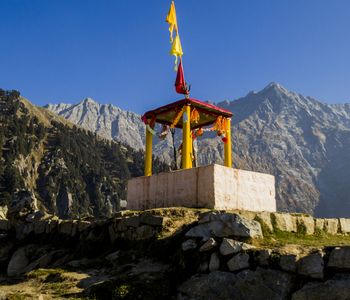
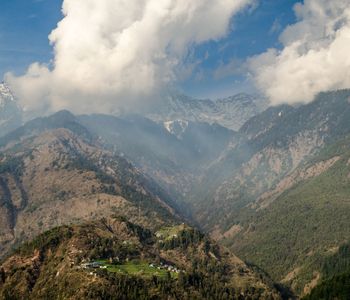
Then the rains arrive. Monsoon transforms Bhagsunag into its most dramatic self — pools overflow, the waterfall roars, and the stone paths become slippery obstacle courses. It's the most photogenic season, and the most demanding. Pack a rain jacket and accept that you'll get wet regardless. October and November, just after the rains retreat, offer a middle ground: full pools, manageable trails, and clear Dhauladhar views that the monsoon clouds had been hoarding for months.
A Temple That Knows What It Is
Bhagsunag doesn't compete with the grand temples of Varanasi or the carved masterpieces of Khajuraho. It doesn't try. Its authority comes from something more elemental: cold water emerging from ancient rock, channeled into stone basins by hands long forgotten, still flowing when everything else in the surrounding town has changed beyond recognition. In a place where Tibetan prayer flags hang alongside Hindi signboards, this small Hindu shrine remains tethered to the mountain itself. Walk in, dip your hands in the spring water, and feel the temperature shock travel up your arms. That sensation — sharp, immediate, entirely real — is the only sermon Bhagsunag needs to deliver.