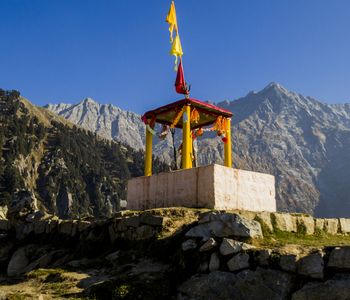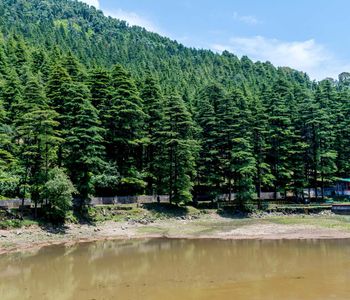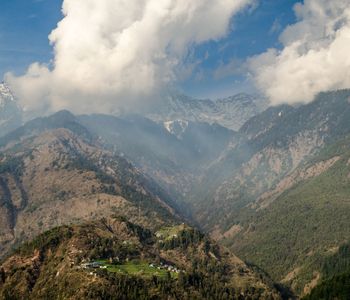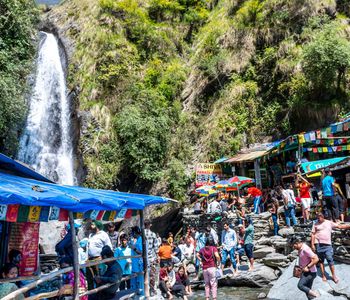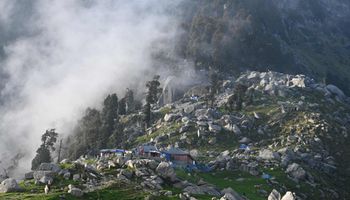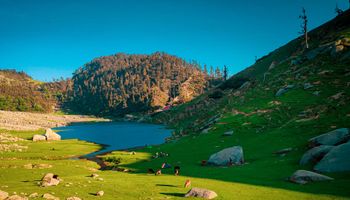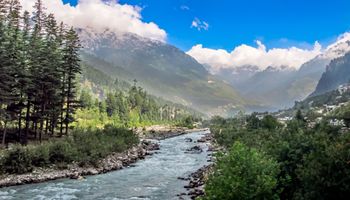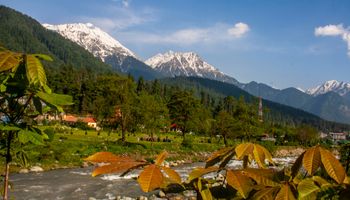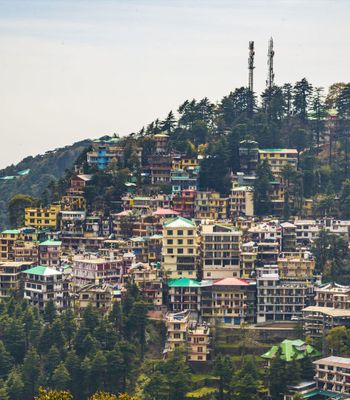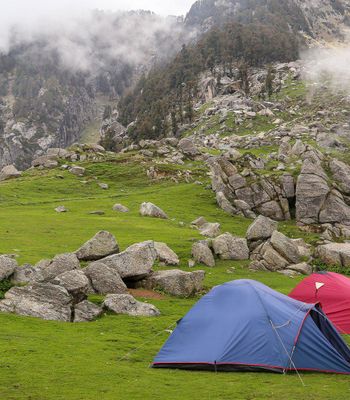
A twenty-minute walk from McLeod Ganj's central square, Bhagsu Waterfalls crashes down a rocky face with the kind of casual force that makes you reconsider how close you're standing. The water drops roughly 30 feet over dark, moss-slicked boulders, feeding a shallow pool where Indian tourists wade fully clothed and backpackers perch on rocks with dog-eared paperbacks. It isn't Niagara. It isn't even particularly tall. But Bhagsu works because of what surrounds it — the Dhauladhar range pressing close overhead, thin mountain air carrying the smell of wet pine and incense from a nearby Shiva temple, and the strange democracy of a place where sadhus, Israeli gap-year travelers, and Tibetan monks all end up on the same ledge, saying nothing, watching water fall.
A Temple Before the Thunder
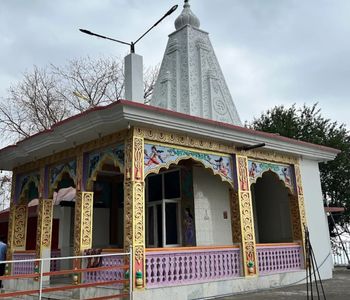
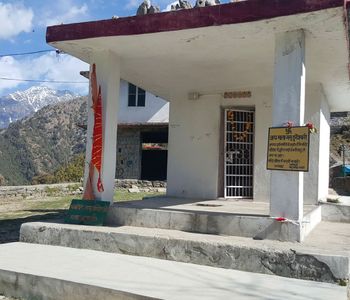
Before you reach the falls, you pass through Bhagsu Nag, a village anchored by an ancient Shiva temple that shares its name. The Bhagsunath Temple, with its stone courtyard and sacred spring-fed pool, has roots that locals trace back over five thousand years, though the current structure is far more recent. Hindu legend holds that a Rajput king tried to drain a sacred lake belonging to the serpent god Nag, who retaliated with fury before Lord Shiva stepped in and brokered peace.
The temple sits at the trailhead like a toll booth — not for money, but for attention. Most people rush past it, eyes locked on the waterfall ahead. That's a mistake. The carved stone entrance and the cold spring water channeled into a small bathing tank deserve a pause. Temple bells ring at odd intervals, and on any given morning a priest marks foreheads with vermillion paste while stray dogs sleep in the courtyard sun. The whole scene runs on its own clock, indifferent to the foot traffic moving through.
The Walk Up, Honestly Described
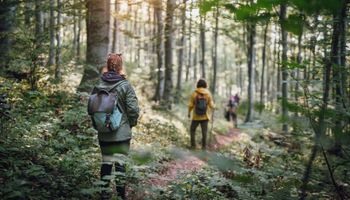
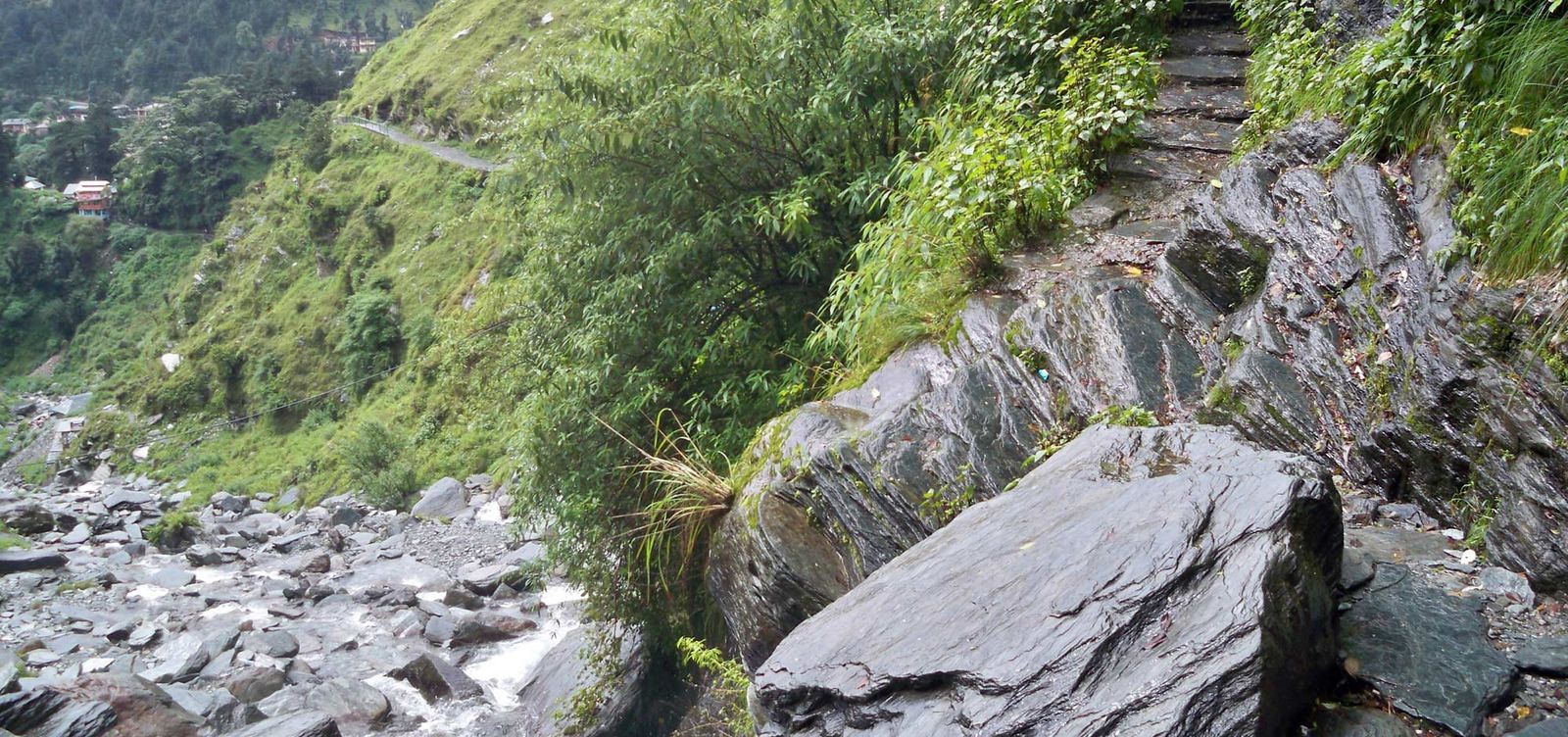
Here's the thing about Bhagsu Waterfalls that nobody gets quite right: the path is both easier and harder than advertised. Easier because it's genuinely short — from the temple, you're looking at ten to fifteen minutes of walking. Harder because the trail turns into an uneven scramble over wet rocks in the final stretch, especially during monsoon season when the water flow swells and the stone steps become unreliable underfoot.
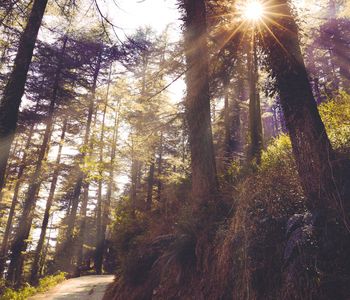
Wear shoes with grip. Flip-flops are common here, and so are slips. The trail passes small cafes and chai stalls selling maggi noodles and lemon-ginger tea, their hand-painted signs fading in the mountain damp. As you climb, the sound of falling water grows from a murmur to a steady roar, and mist becomes visible above the tree line before the falls themselves appear.
The final approach requires picking your way across boulders. There's no railing, no paved viewing platform. You choose your own vantage point, and that rawness — that sense of negotiating directly with the landscape — is what stays with you afterward.
What the Monsoon Rewrites
Between July and September, Bhagsu becomes a different animal entirely. The modest cascade of the dry months turns into a furious white curtain, the volume of water multiplying several times over. Mist hangs thick enough to soak your clothes within minutes of arriving. The pool at the base churns brown with sediment, and the rocks closest to the falls become genuinely dangerous.
This is when the waterfall hits hardest visually, but it's also when the trail demands the most respect. Leeches appear on the path during heavy rains. The narrow stone steps grow a film of algae that turns them into something closer to a water slide. If you're comfortable with some risk and don't mind getting thoroughly drenched, monsoon season delivers the most powerful version of Bhagsu. If you'd rather actually sit near the water and enjoy it, October through December offers a gentler deal — the flow is still healthy from residual rainfall, and the rocks dry enough to claim a spot.
Where Chai Tastes Better Than It Should
Climb past the waterfall itself, and you'll find a scattering of open-air cafes clinging to the hillside. Shiva Cafe is the most famous — a ramshackle establishment with low wooden tables, trance music drifting from speakers, and views that drop straight down into the valley. The food is simple: banana pancakes, Israeli shakshuka, thali plates. Service operates on mountain time, which means your order arrives when it arrives.
What makes these cafes worth the extra climb isn't the menu. It's the altitude. At roughly 6,500 feet, the air feels different — thinner, cooler, scrubbed clean by the surrounding deodar cedars. You sit with your back against the Dhauladhar foothills and look south across the Kangra Valley as hawks circle below you. The combination of physical effort, cold mist, and a hot cup of chai produces a specific kind of satisfaction that sea level simply can't manufacture. I've had far more expensive meals in far more celebrated restaurants that didn't come close.
The Practical Details
From McLeod Ganj's main square, follow the road toward Bhagsu Nag village. The route is signposted, and any local shopkeeper can point you right. Auto rickshaws make the trip for a modest fare and drop you near the Bhagsunath Temple, saving you roughly ten minutes of road walking. From Dharamsala, the larger town below, a taxi or auto rickshaw to Mcleod Ganj takes about twenty minutes, and from there you're on foot.
There's no formal entry fee for the waterfall. The Bhagsunath Temple is free to enter too, though small donations are customary. Carry cash — the chai stalls and hillside cafes don't accept cards, and the nearest ATM sits back in McLeod Ganj's commercial area. Bring a waterproof bag for your phone and any electronics, particularly during the wetter months. The mist is persistent and thorough.
The Hours That Belong to You
Weekends and Indian public holidays pack the trail with day-trippers from the Punjab plains. The pool area below the falls gets loud and crowded by midday, families picnicking on every available surface. If solitude matters to you, arrive before 8 a.m. on a weekday. At that hour, the falls belong mostly to the birds and to the occasional monk making a quiet morning walk.
Late afternoon offers another window. As the light shifts golden and most visitors head back toward town for dinner, the waterfall settles into a quieter rhythm. The temperature drops fast once the sun dips behind the ridgeline, so bring a layer.
Worth the Wet Shoes
Bhagsu Waterfalls won't appear on any list of the world's great cascades. It doesn't need to. What it offers is more specific than grandeur — the feeling of earned proximity to moving water in a mountain landscape that still feels genuinely wild at its edges. The Shiva temple grounds you in mythology, the climb wakes up your legs, and the falls themselves deliver exactly the kind of cold, loud, spray-in-your-face encounter that reminds you why you left the hotel. Come early, stay for chai above the falls, and let your shoes dry on the walk back down.