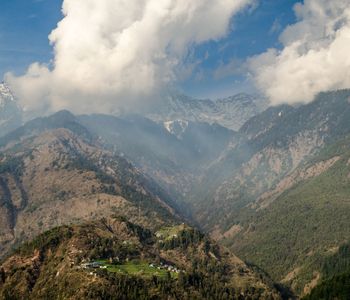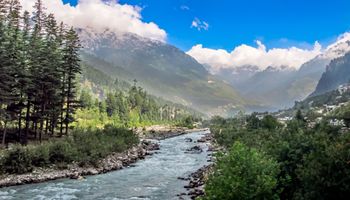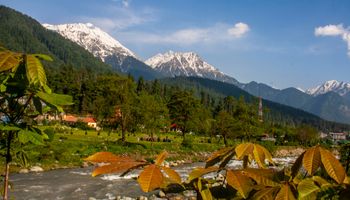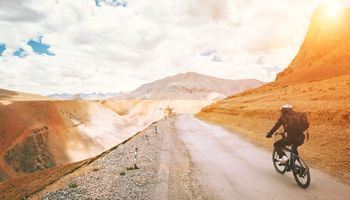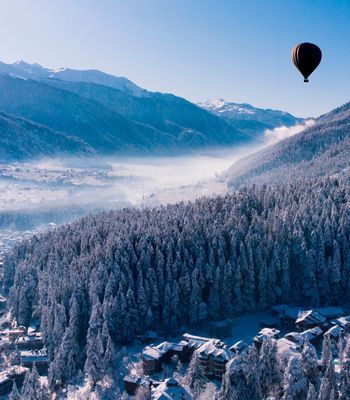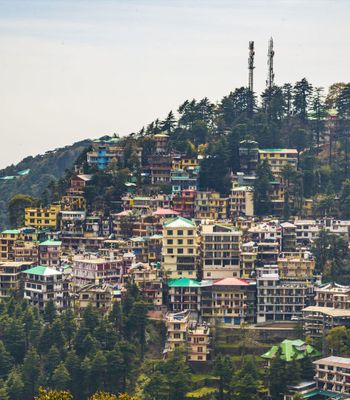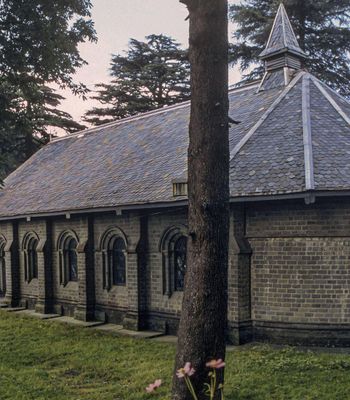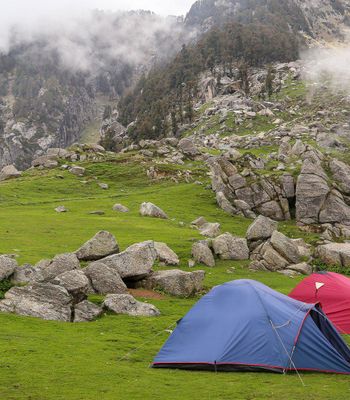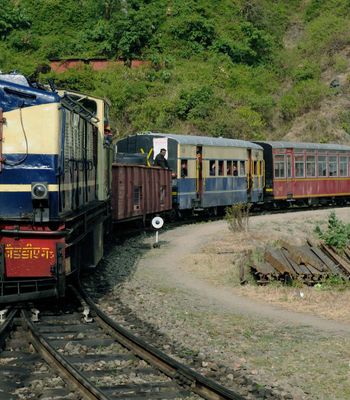
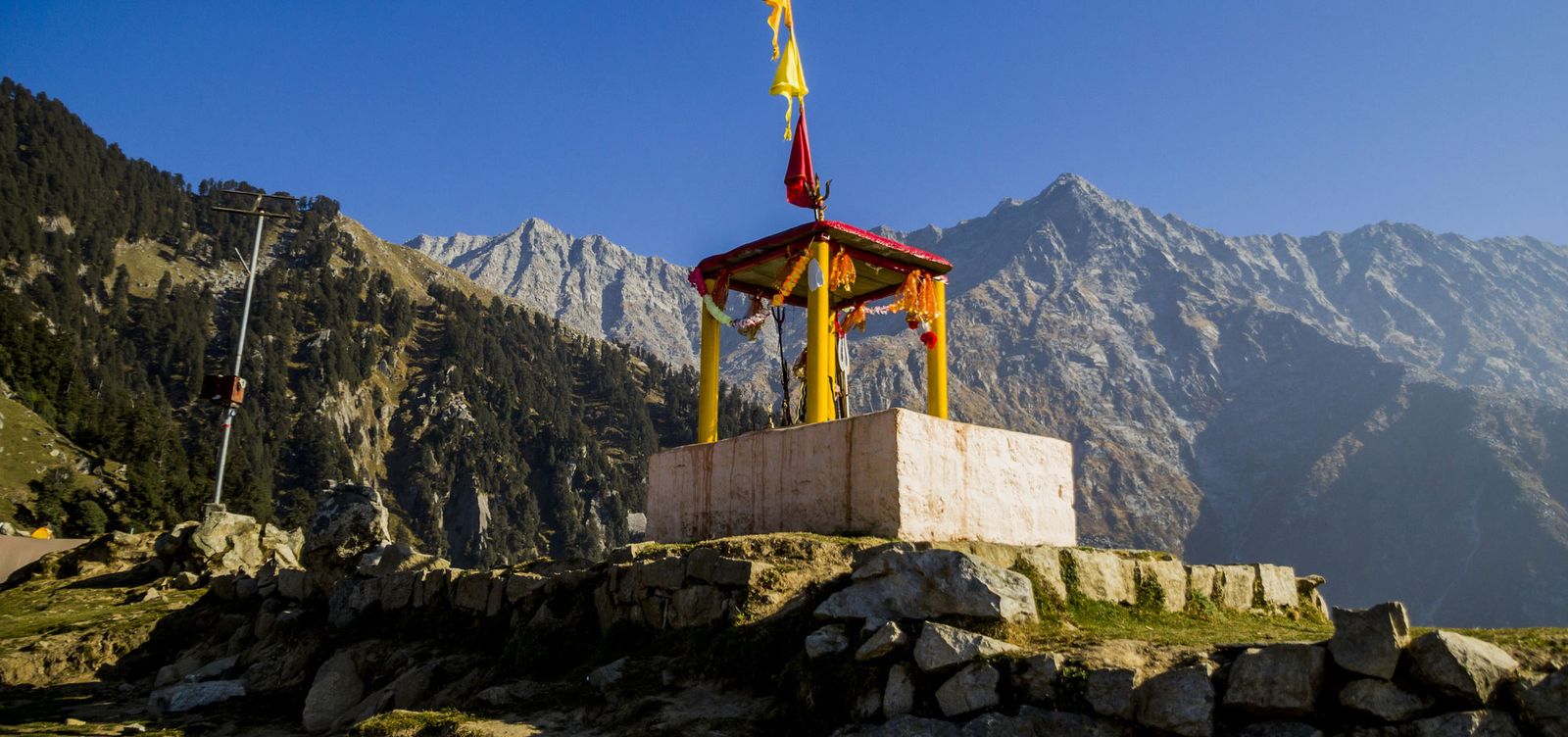
At 2,828 metres, Triund isn't particularly high. It won't test your lungs the way Himalayan passes do, and it won't demand ropes or crampons. What it will do — reliably, almost stubbornly — is rearrange your understanding of what a single day's walk can deliver. The trek from Mcleod Ganj to the Triund ridge takes roughly four to five hours, gains about 1,100 metres of elevation, and deposits you on a grassy saddle where the Dhauladhar range fills every degree of your northern horizon. Snow-covered granite walls rise so close and so vertical they feel like a projection, not a landscape. Behind you, the Kangra Valley drops away into haze and patchwork farmland. The contrast borders on absurd — green meadow beneath your boots, ice-streaked rock face at eye level. That single ridge, that hard line between the gentle and the savage, is why people keep coming back.
A Trail That Doesn't Pretend to Be Easy
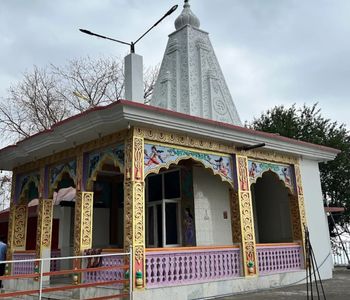
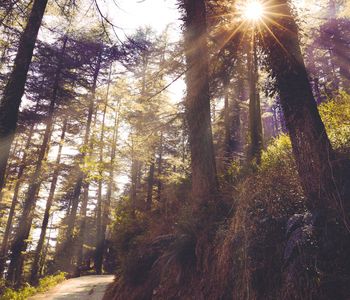
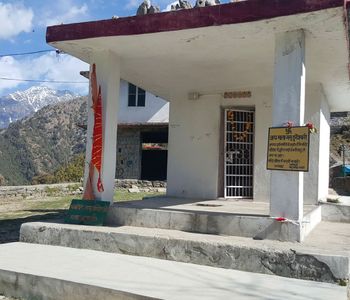
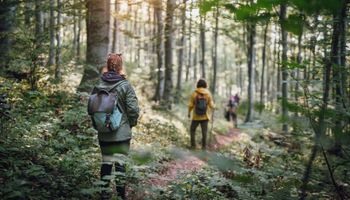
The standard route begins near Galu Devi Temple, about two kilometres above McLeod Ganj's main square. For the first hour, the path cuts through mixed forest — oak, rhododendron, deodar cedar — where thick canopy traps the damp air and roots lace the ground like tripwires. Birdsong dominates. The gradient is moderate, almost deceptive.
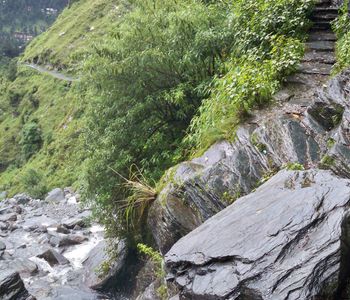
Then the trail shows its teeth. Past the tea stalls at Magic View Cafe, roughly the halfway mark, the path steepens into a series of rocky switchbacks locals call "22 curves." Each bend tightens. The trees thin. Your calves begin filing formal grievances. That final kilometre is relentless — loose stone, exposed sun, zero shade. Most trekkers slow to a crawl here, and there's no shame in joining them.
Here's the thing about Triund that catches people: its difficulty isn't physical so much as psychological. The trail is short enough that you expect it to feel easy. It doesn't. That gap between expectation and reality ambushes more hikers than the altitude ever could.
What the Ridge Actually Feels Like
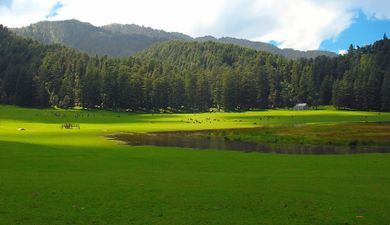
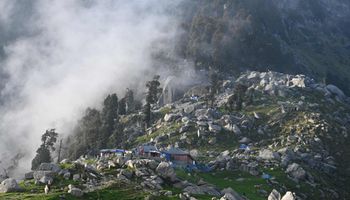
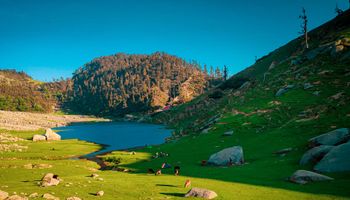
When the forest finally releases you onto Triund's flat meadow, the ground softens underfoot. Coarse grass, scattered rocks, a few low shepherd shelters. Space opens in every direction, and the scale of the Dhauladhar range hits without preamble. Moon Peak and the Indrahar Pass loom directly ahead, their faces scarred with snow couloirs even in late spring.
Sit down. You'll want to. The meadow is wide enough to find your own patch of quiet even when dozens of other trekkers have made the same climb. Afternoon clouds tend to roll in from the valley side, spilling over The Ridge like slow-motion water — one of those rare moments when doing absolutely nothing feels like enough.
At night, the temperature drops hard. Sometimes below freezing between November and March. Stars appear with an intensity that feels almost aggressive, the Milky Way a pale smear directly overhead. McLeod Ganj's lights flicker far below like a scattered handful of embers. The silence up here isn't the peaceful kind you find on postcards. It's heavy. Almost physical. The kind of quiet that makes you suddenly aware of your own breathing.
When to Go — and When to Think Twice
The trekking season splits neatly. March through June offers clear skies, wildflowers along the lower trail, and nights warm enough for a basic sleeping bag. September and October, once the monsoon has retreated, deliver the sharpest visibility — the Dhauladhar peaks look close enough to touch against deep, saturated blue.
July and August bring monsoon in full force. The trail turns to mudslide, leeches appear in impressive numbers, and visibility collapses to a few metres. Locals will still guide you up, but the ridge reveals nothing through the cloud — you climb for hours and arrive at a blank white wall. December through February transforms Triund into a snow camp, beautiful but genuinely cold. Temperatures can plunge to minus ten Celsius, and sections of the trail ice over. Unless you carry proper gear and have winter trekking experience, this window demands real caution.
Weekends year-round pull heavy foot traffic, particularly the domestic trekking crowd driving up from Delhi and Chandigarh. A Tuesday or Wednesday climb gives you a dramatically different mountain — fewer tents, less litter, more solitude on the switchbacks.
The Practical Details That Matter
No permit is required, though the forest department occasionally collects a nominal entry fee of around 150 rupees near the trailhead. Carry cash. There's nothing digital happening on this mountain.
Two tea stalls operate along the route during peak season, selling maggi noodles, biscuits, and chai at predictably inflated prices. A few more stalls offer the same menu at the top. Don't rely on them entirely — bring at least two litres of water per person and enough snacks to sustain you if a stall happens to be shuttered. The tea-stall maggi, overpriced as it is, tastes unreasonably good at altitude. Accept this without analyzing it.
Tent rentals run 500 to 1,000 rupees at the summit, depending on season and your negotiating resolve. Sleeping bags can also be rented. Quality varies wildly — inspect before you commit. If you're carrying your own gear, the meadow offers plenty of flat ground, though wind exposure on the northern edge turns fierce after dark.
Most trekkers retrace the same route down. The descent takes two to three hours and is harder on the knees than you'd expect — gravity is generous until it isn't. Trekking poles, if you have them, earn their weight on the downhill switchbacks.
Getting to the Starting Line
McLeod Ganj sits about nine kilometres above Dharamshala in the Kangra district. The nearest airport is Gaggal, roughly 18 kilometres away, with flights connecting through Delhi. From Delhi, overnight buses run directly to McLeod Ganj — a 12-hour journey that tests your commitment to budget travel more than Triund will test your legs. The more civilized option is a train to Pathankot followed by a three-hour taxi ride through the foothills.
From McLeod Ganj's main square, auto rickshaws reach the Galu Devi Temple trailhead in about ten minutes. Some trekkers walk the road portion to warm up, adding roughly 40 minutes but passing through Dharamkot — a small settlement with its own cafes and guesthouses worth knowing about for pre- or post-trek meals.
Worth Every Switchback
Triund doesn't require mountaineering skills, expedition budgets, or weeks of planning. It asks for one honest day of effort and gives you a front-row seat to one of the most dramatic mountain walls in the western Himalayas. The trek strips away the noise of McLeod Ganj's crowded lanes and replaces it with wind, rock, and an unobstructed sky. Carry enough water, start early, and resist the urge to rush that final kilometre. The ridge will wait. It's been waiting a long time.