Jammu and Kashmir

Srinagar

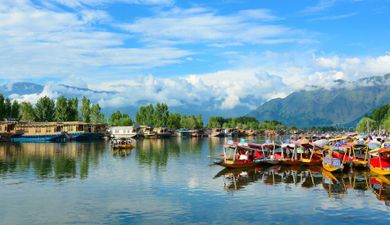
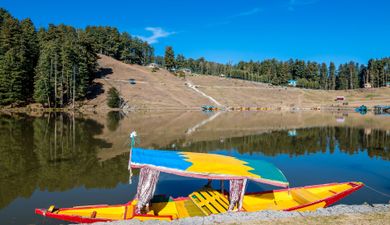
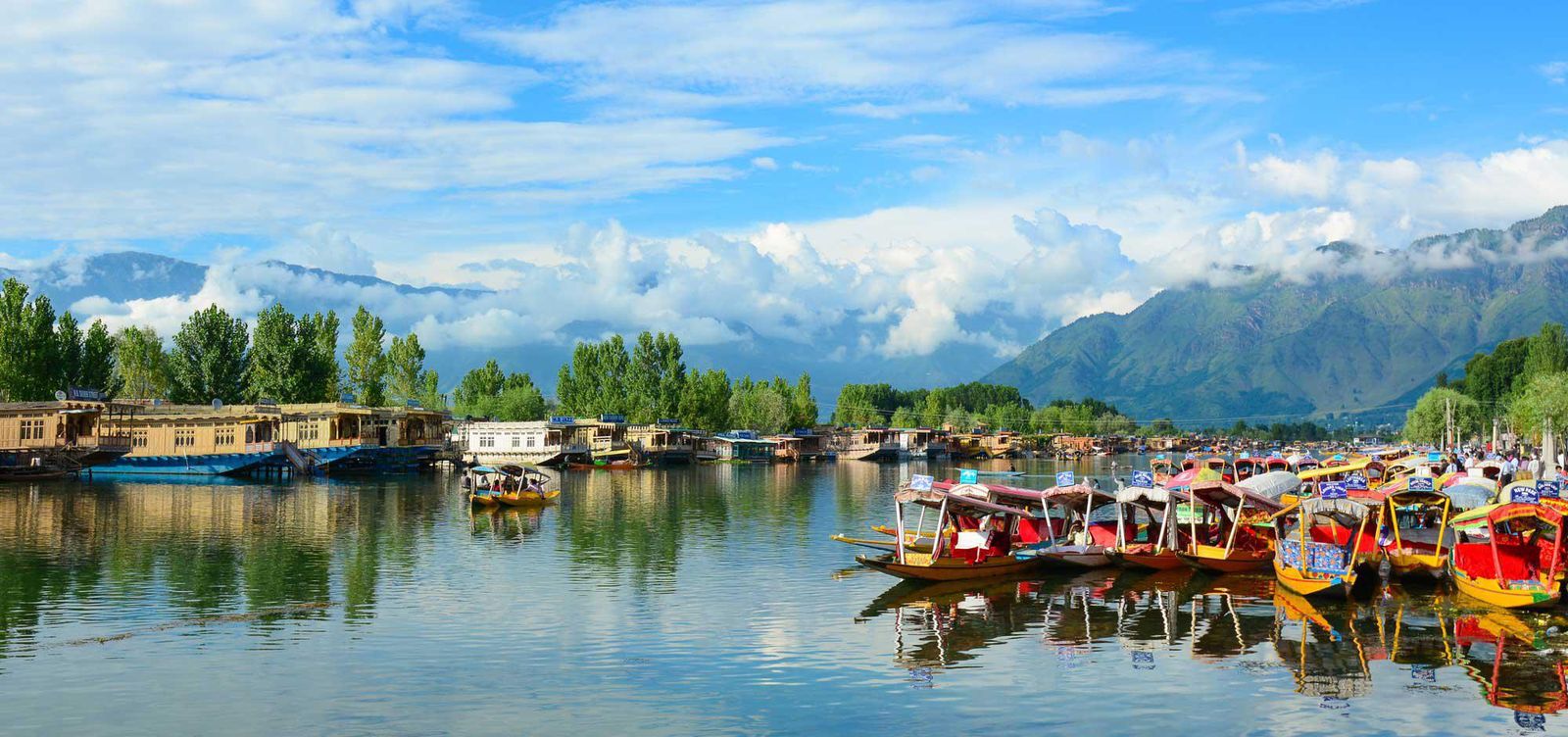
There's a moment — just before dawn — when Dal Lake holds perfectly still, like a mirror laid flat against the earth. Then a shikara slips through the mist, its bright canopy catching the first light, and suddenly the whole city stirs to life on water. Welcome to Srinagar, a place that doesn't just sit beside a lake — it lives on one.

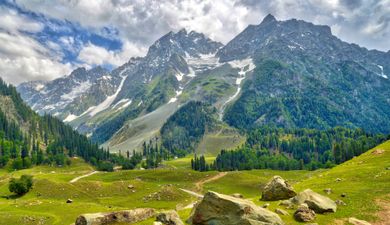
Perched at roughly 5,200 feet in the heart of the Kashmir Valley, Srinagar is the summer capital of Jammu and Kashmir, and it feels like nowhere else in India. The air bites a little cooler here. The world moves a little slower. And everywhere you look, the mighty Pir Panjal range frames the horizon like a backdrop that seems almost too perfect to be real.

A City That Floats

The water finds you before you find it. Dal Lake and Nigeen Lake aren't just scenic postcards — they're the living, breathing heart of Srinagar. Families have called these lakes home for generations, raising children on ornate houseboats with hand-carved walnut interiors and windows that open to endless ripples of light.

Each morning, a floating marketplace materializes as if by magic. Vendors paddle shikaras heaped with marigolds, bundles of fresh greens, crimson threads of saffron — their calls echoing across the water in a rhythm that hasn't changed in decades. It's chaotic and beautiful and utterly mesmerizing.

Do yourself a favor: book a houseboat stay. Fall asleep to the gentle lapping of water against wood. Wake to mist peeling off the lake as golden light spills across the mountains. Sip kahwa on the deck while kingfishers dart past. It's the kind of morning that rewires something inside you.

Gardens That Feel Like a Dream You've Already Had

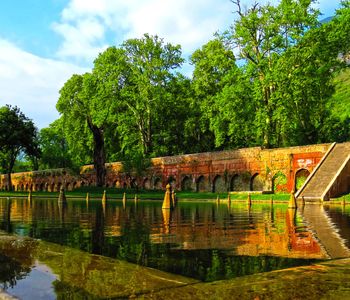
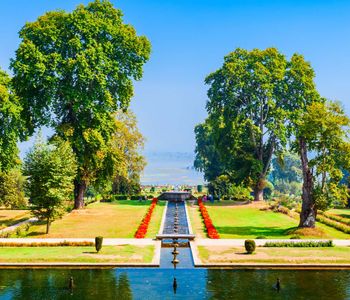
Step off the water and Srinagar greets you with an almost impossible shade of green. The Mughal Gardens — Shalimar Bagh, Nishat Bagh, and Chashme Shahi — were designed centuries ago during the Mughal Empire, and honestly, they still feel like the most elegant gardens you'll ever walk through.

Think symmetrical terraces, cascading fountains catching sunlight, towering chinar trees whose leaves turn molten gold in autumn. In spring, the flower beds erupt with color so vivid it almost looks filtered.

Time it right and you'll catch the annual Tulip Festival, when Asia's largest tulip garden at the foothills of the Zabarwan Range becomes a sea of reds, yellows, purples, and pinks. Thousands of travelers descend for this spectacle — and every single one leaves with a full camera roll and a slightly dazed smile.

Into the Old City's Beating Heart

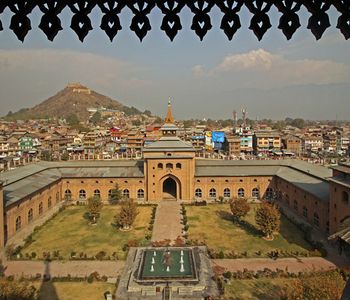
Srinagar's soul lives in its old quarter, where centuries of devotion and craftsmanship are pressed into every narrow lane. The air smells of cedarwood shavings and fresh bread. The sounds shift from prayer calls to the rhythmic clack of looms.

Lose yourself here, and you'll discover:

  • Jamia Masjid — a grand mosque where 370 wooden pillars rise like an ancient forest, light filtering through in soft, reverent shafts
  • The shrine of Shah-e-Hamadan — its interior a jaw-dropping masterpiece of papier-mâché artistry that makes you forget to breathe for a second
  • Bustling bazaars overflowing with cloud-soft pashmina shawls, hand-knotted carpets rich with centuries-old patterns, and walnut wood carvings so detailed they seem alive

Kashmiri artisans take fierce pride in their work. Skip the souvenir shops and head straight to local workshops where you can watch nimble fingers transform raw wool into heirloom-quality pieces. Bargaining is expected — part theater, part tradition — so take your time wandering the markets along Residency Road and Lal Chowk.

Flavors That Linger Long After the Last Bite

Kashmiri cuisine is bold, aromatic, and utterly unforgettable — shaped by centuries of cultural crossroads. If you do one thing in Srinagar, sit down for a traditional Wazwan feast. Course after course arrives on a shared copper platter: slow-cooked rogan josh fragrant with Kashmiri chili, pillowy gushtaba swimming in creamy yogurt sauce, delicate yakhni that warms you from the inside out.

On the streets, grab freshly baked sheermal or lavasa — Kashmiri breads still warm from the tandoor — and wash them down with noon chai. Fair warning: this salted, dusky-pink tea will confuse your taste buds on the first sip and completely win you over by the third.

Your Launchpad to the Valley's Greatest Hits

Srinagar is perfectly positioned as a gateway to some of Kashmir's most spectacular landscapes. Day trips to Gulmarg, Pahalgam, and Sonamarg are easily arranged, offering everything from powder-snow skiing to wildflower-lined treks to horseback rides through pine-scented valleys, depending on the season.

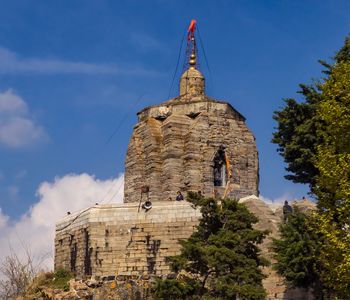
Closer to the city, hike up Shankaracharya Hill for panoramic views that sweep across the entire valley — lakes glittering, mountains stacking into the distance, the city sprawled below like a living map. At the summit, an ancient temple believed to be over a thousand years old adds a quiet, sacred weight to the climb.

When Should You Go?

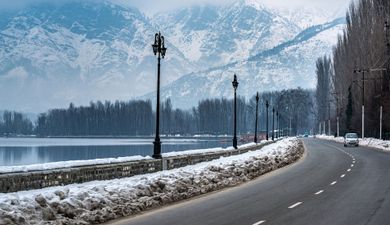
Spring (March–May) and early autumn (September–October) are the sweet spots — pleasant weather, dramatic landscapes, and that particular quality of light photographers obsess over. Summer draws the biggest crowds, so expect company. But winter? Winter transforms Srinagar into a snow-hushed wonderland, perfect for travelers who crave solitude and the soft crunch of fresh powder underfoot.

The Kind of Place That Stays With You

Srinagar doesn't just impress you — it imprints on you. The hollow sound of a wooden paddle slicing through glassy water. The warm, earthy scent of saffron drifting from a passing shikara. Snow-capped peaks reflected so perfectly in the lake that you can't tell which way is up.

Whether you come for the culture, the cuisine, or simply the rare luxury of slowing down, Srinagar delivers something that few places on earth can: the feeling that time, just for a while, has decided to be generous with you.
Things to See & Do

Planning a Trip to Jammu and Kashmir?

Let our experts help you plan your next trip

Lowest Price Guaranteed

Get Free Quote

Srinagar Travel FAQs

March–May

Spring is widely considered the best time to visit Srinagar, when temperatures range between 45 and 75 degrees Fahrenheit and the famous Mughal Gardens erupt in vibrant tulip and almond blossoms. In fact, the Indira Gandhi Memorial Tulip Garden draws visitors from around the world during late March and April. Shikara rides on Dal Lake feel especially magical in the mild sunshine, with snow-capped peaks still visible in the distance. Expect moderate crowds and rising accommodation prices as the season progresses.

June–August

Summers bring warm days and pleasantly cool evenings, making Srinagar a favored escape from the scorching heat across the Indian plains. Temperatures rarely climb beyond 86 degrees Fahrenheit, which means comfortable afternoons exploring the old city's bustling markets and houseboats. July and August can bring occasional rainfall, so travelers should carry a light rain jacket. This is also peak tourist season, meaning higher prices and busier waterways on Dal Lake.

September–November

Autumn paints Srinagar in stunning shades of gold and crimson as chinar trees transform the landscape. Crowds thin out noticeably by October, giving you quieter mornings on the lake and more room to wander through spice bazaars at your own pace. Temperatures begin dipping toward the 40s by November, so layering is wise. Visitors often find better deals on houseboat stays and guided excursions during this shoulder season.

December–February

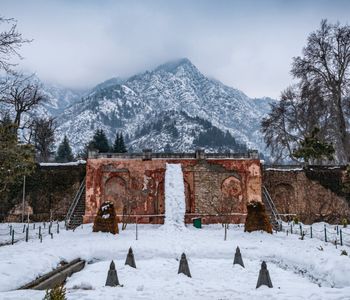
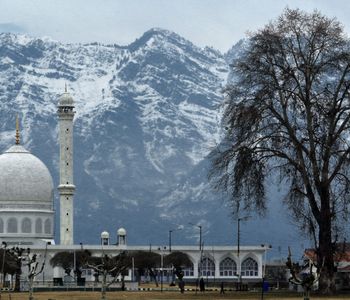
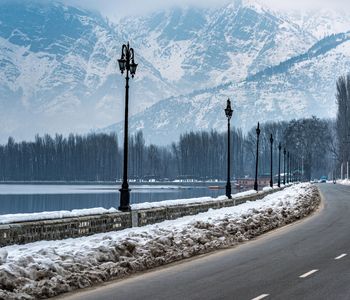
Winter wraps Srinagar in a blanket of snow, offering a dramatically different experience. Dal Lake's frozen edges and snow-dusted shikaras create postcard-worthy scenes. If cold weather excites you, nearby Gulmarg provides world-class skiing just a short drive away. Roads can occasionally close due to heavy snowfall, so check conditions before finalizing your travel plans and pack serious winter gear for temperatures that regularly dip below freezing.

Reaching Srinagar is easier than most travelers expect, thanks to a well-connected airport just 14 km from the city center. Sheikh ul-Alam International Airport receives daily flights from Delhi, Mumbai, Bengaluru, and several other major Indian cities. The flight from Delhi takes roughly an hour and a half, rewarding you with breathtaking aerial views of snow-dusted peaks as the plane descends into the Kashmir Valley.

From the airport, prepaid taxis and cab services are readily available to take you into the heart of the city. The drive is a short one, passing through tree-lined roads and glimpses of the Dal Lake shoreline as you approach your accommodation. Many visitors arrange hotel pickups in advance, which can ease the transition after a long travel day.

By Road

For those who prefer a scenic overland journey, the Jammu–Srinagar National Highway stretches approximately 300 km through dramatic mountain terrain. Government-run and private buses depart regularly from Jammu, and the ride takes anywhere from eight to ten hours depending on road and weather conditions. The route climbs through tunnels, tight switchbacks, and valleys that open up to reveal rivers cutting through deep gorges. Travelers should note that landslides or heavy snowfall can occasionally delay traffic, especially during winter months. Keeping a flexible schedule is wise when choosing this route.

By Train to Jammu

India's extensive railway network connects most cities to Jammu Tawi, the nearest major railway station to Srinagar. From Jammu, you can continue the journey by bus, shared cab, or private taxi along the highway. Overnight trains from Delhi are a popular and budget-friendly option, letting you wake up to the foothills before the road journey begins. Once you finally arrive in Srinagar, the shimmering waterways and cool mountain air make every hour of travel feel worthwhile.

Srinagar delivers a thrilling mix of adventure activities that rival some of India's most popular outdoor destinations. When you visit, the shimmering lakes, surrounding peaks, and vast meadows become your playground for everything from water sports to high-altitude trekking.

Water Adventures on Dal Lake and Beyond

Shikara rides may define Srinagar's calm side, but the city's waterways also cater to those craving excitement. Kayaking and canoeing across Dal Lake offer a more hands-on way to explore the floating gardens and quiet channels. For something bolder, travelers can head to the Lidder River or Sindh River nearby for whitewater rafting, where rushing currents and scenic gorges make for an unforgettable ride. Most operators provide safety gear and brief training sessions, so beginners can jump in with confidence.

Trekking and Mountain Escapes

The highlands surrounding Srinagar open up some of Kashmir's finest trekking routes. The trek to Tarsar Marsar twin lakes rewards hikers with alpine meadows and crystal-clear waters reflecting snow-dusted ridges. Dachi Waterfall treks and trails toward the Thajiwas Glacier are equally rewarding for those willing to lace up their boots. Pack layers, as mountain weather shifts quickly, and carry enough water and snacks for the day.

Skiing, Paragliding, and More

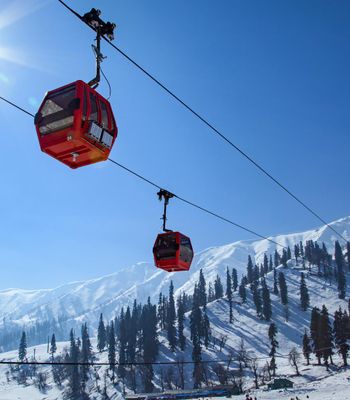
During winter, Gulmarg — a short drive from Srinagar — transforms into one of Asia's premier skiing destinations, with powder-covered slopes suited for every skill level. In warmer months, paragliding from the hills around Srinagar gives visitors a bird's eye view of the valley's patchwork of rice fields, orchards, and winding rivers. Mountain biking along rugged trails has also gained popularity among adventure enthusiasts exploring the region.

Be flexible with your itinerary, as weather conditions occasionally affect outdoor plans. A backup day exploring Srinagar's vibrant old city can be just as memorable while you wait for clear skies.

Jammu and Kashmir Tour Packages

More Places to Visit in Jammu and Kashmir