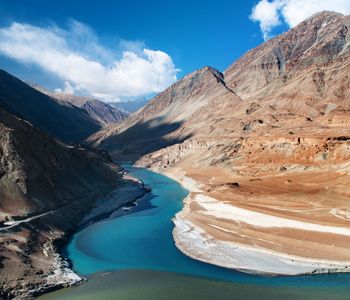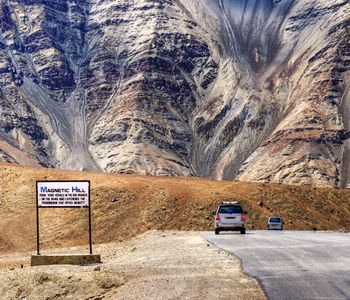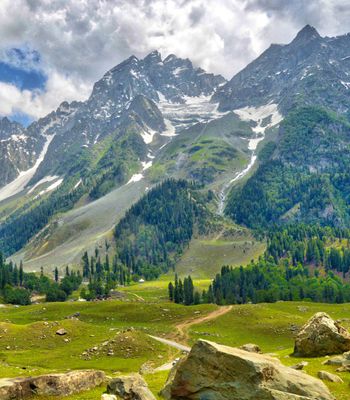
Imagine stepping off a plane and feeling the thin mountain air catch in your lungs as your eyes struggle to process what's in front of you — a landscape so vast, so barren, so impossibly dramatic that your brain whispers, this can't be real. Welcome to Leh Ladakh, perched over 11,000 feet above sea level in India's northernmost frontier, where the earth looks like it forgot to finish getting dressed. Barren mountains ripple outward in every direction, streaked in shades of ochre, burnt sienna, and deep purple. Deep river gorges slice through the terrain like ancient scars. This isn't the India of postcards — no emerald rice paddies, no tropical coastlines. This is something wilder, stranger, and utterly unforgettable.
Leh: Where Cultures Collide in the Most Beautiful Way
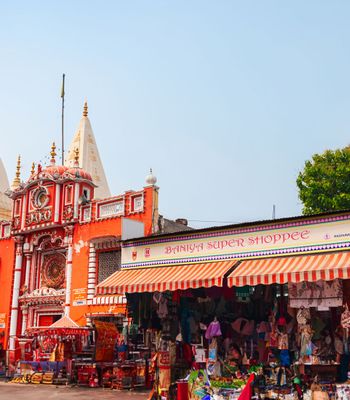
Leh, the region's beating heart, is the kind of town that reveals its secrets slowly. Stroll through the old bazaar and let the sensory overload wash over you — the soft rustle of pashmina shawls unfurling across wooden counters, the glint of turquoise jewelry under the high-altitude sun, the sweet, earthy fragrance of dried apricots piled in golden heaps. Indian, Tibetan, and Central Asian influences weave together here in a tapestry you won't find anywhere else on earth.
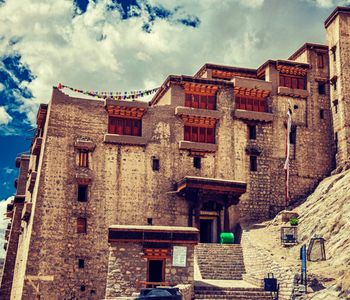
Now look up. Above the marketplace, the crumbling grandeur of Leh Palace rises nine stories against a sky so blue it almost hurts. Built in the 17th century, this striking structure bears an uncanny resemblance to Lhasa's Potala Palace — and climbing to its upper levels rewards you with a panorama that will stop you mid-sentence. The entire Leh valley spreads out below, the Indus River threading through the arid landscape like a ribbon of liquid silver.
Monasteries That Feel Suspended Between Earth and Sky
Buddhism has shaped Ladakh's soul for centuries, and you feel it everywhere — in the murmur of chanting monks carried on the wind, in the soft clatter of prayer wheels spinning under weathered hands, in the ancient gompas (monasteries) that cling to hilltops and cliff edges as if placed there by the mountains themselves.
Start your mornings at Thiksey Monastery, where the first golden rays of dawn spill across a sprawling complex of temples and residences, turning whitewashed walls to amber. The deep, resonant sound of morning prayers echoing through the halls will root you to the spot. Hemis Monastery, one of Ladakh's largest and wealthiest, comes alive during its annual festival — picture monks in elaborate masks performing centuries-old dances while incense smoke curls into the mountain air.
Don't miss Diskit Monastery in the Nubra Valley, with its towering Maitreya Buddha statue gazing serenely over the valley floor, or Lamayuru, which overlooks an almost lunar landscape of eroded rock formations that looks like it belongs on Mars. Whether you carry a spiritual compass or simply love history etched into stone, these sacred places leave fingerprints on your memory.
Lakes That Change Color and Camels in the Mountains
And then there's Ladakh's natural spectacle — the kind of scenery that makes seasoned travelers run out of adjectives.
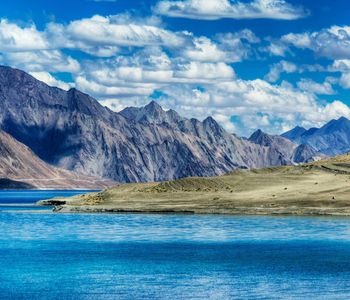
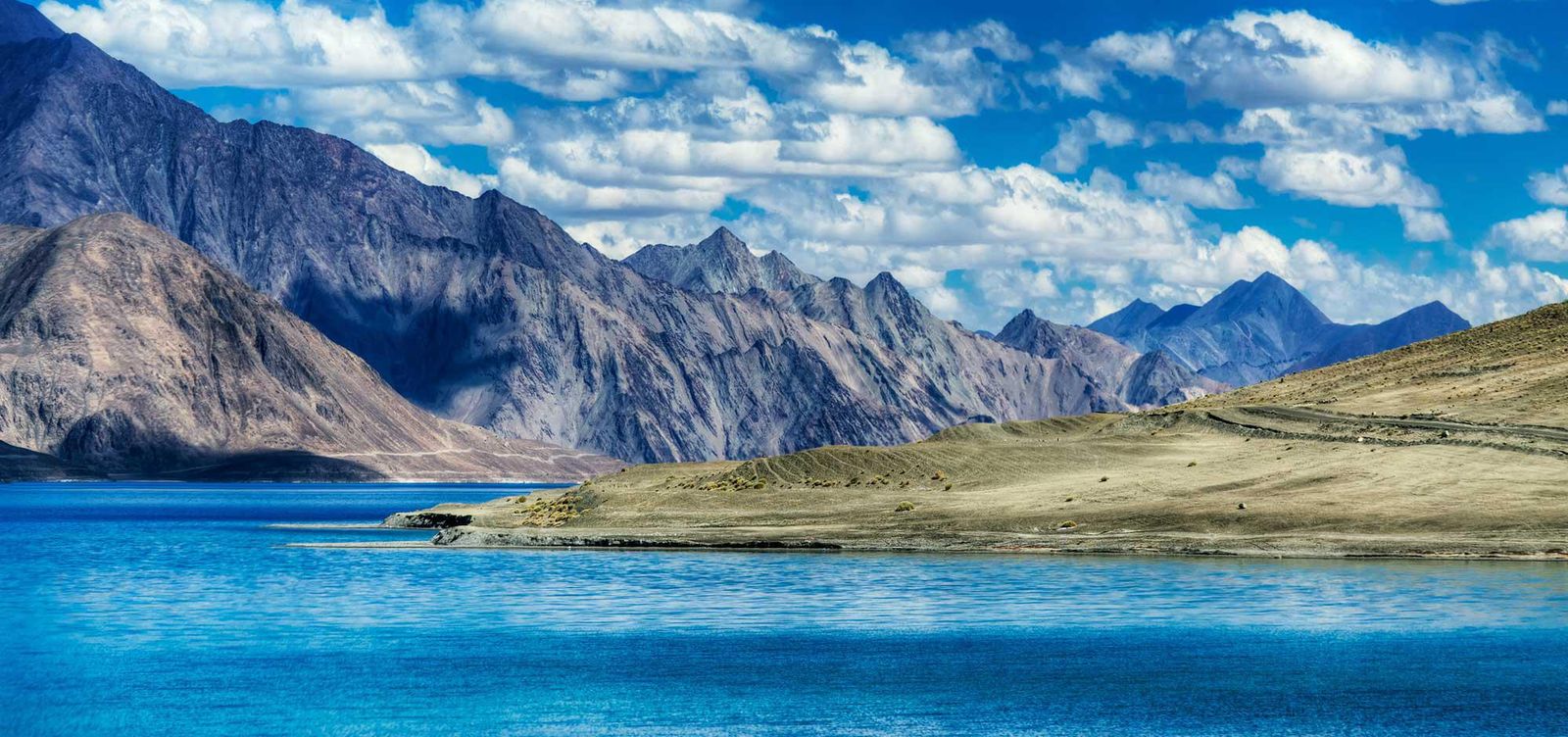
Pangong Lake sits at nearly 14,000 feet, stretching a surreal 134 kilometers across the border into China. Stand on its shores and watch the water perform a slow-motion magic trick, shifting between electric blue, deep emerald, and moody grey as clouds chase sunlight across the surface. No photograph will ever do it justice. You just have to be there, feeling the cold wind on your face, listening to the silence.
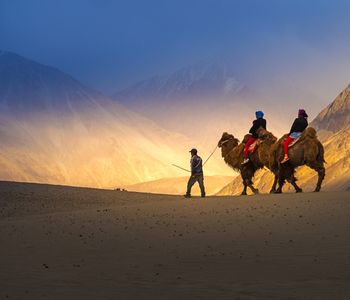
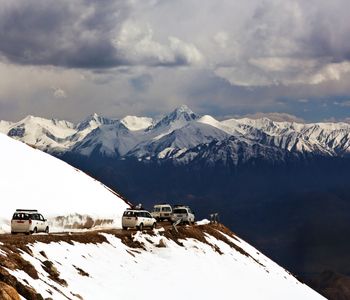
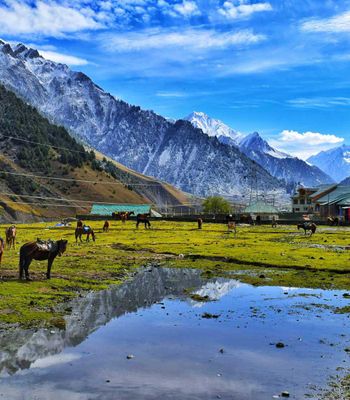
Nubra Valley, reached via the dizzying switchbacks of Khardung La pass, throws you a curveball you never saw coming — sand dunes. Actual sand dunes, in the mountains. And wandering across them? Double-humped Bactrian camels, their shaggy coats swaying as they amble through a scene that defies every expectation you had about the Himalayas. For those who crave true remoteness, Tso Moriri offers what Pangong gives but with the crowds stripped away — crystal-clear waters cradled by snow-dusted peaks, with nothing but the sound of your own breathing for company.
Where Every Road Is an Adrenaline Rush
When the warmer months hit, Ladakh transforms into an adventure playground at altitude. The options are enough to make your pulse quicken:
- River rafting on the churning waters of the Zanskar and Indus Rivers, with rapids framed by towering canyon walls
- Trekking the legendary Markha Valley trail or, for the truly bold, the Chadar frozen river trek — walking on a sheet of ice through a frozen gorge
- Mountain biking along some of the highest motorable roads on the planet, where the air is thin and the views are infinite
- Motorcycle touring the iconic Manali-Leh Highway, a bucket-list ride that winds through jaw-dropping passes and landscapes that change by the mile
A Word About Altitude (Please Read This)
Here's the thing about Ladakh — it's breathtakingly beautiful, and it will literally take your breath away. At these elevations, acute mountain sickness is a genuine concern, not a minor inconvenience. Seasoned travelers will tell you the same thing: spend at least two full days in Leh doing absolutely nothing strenuous before you head to higher ground. Drink water like it's your job. Rest without guilt. Let your body catch up to where your excitement already is. Ignore this advice at your own peril.
When to Go (And Why Winter Has Its Own Magic)
The sweet spot for visiting Leh Ladakh falls between June and September, when the mountain roads from Manali and Srinagar are open and daytime temperatures are pleasantly manageable. The landscape hums with life — travelers, trekkers, and motorcyclists fill the highways, and guesthouses buzz with shared stories over steaming cups of chai.
But winter? Winter is a different beast entirely. Temperatures plummet well below freezing, roads close, and the region transforms into a silent, frozen world that belongs to the brave and the curious. This is when you can attempt the Chadar Trek, walking across the frozen Zanskar River. And if you're extraordinarily lucky — and patient — this is when the elusive snow leopard prowls the valleys around Hemis National Park, a ghost in the snow.
Eat Like a Local: Steaming Bowls and Butter Tea
Pull up a chair at any small eatery in Leh and wrap your cold hands around a bowl of thukpa — a rich, steaming noodle soup that warms you from the inside out. Bite into a plate of freshly made momos, the dumplings so good they've become a Himalayan obsession. And then there's butter tea — salty, rich, and unlike anything you've tasted before. It might take a sip or two to win you over, but by your third cup, you'll understand why Ladakhis swear by it in the cold.
Ladakhi hospitality is unhurried and genuine. Sit a while, and locals will share stories of life in one of the harshest environments on earth — tales of resilience, adaptation, and a quiet pride that is deeply moving.
The Kind of Place That Stays With You
There's a moment that every Ladakh traveler knows. You're standing somewhere high — maybe on a monastery rooftop, maybe on a mountain pass, maybe beside a lake that has no business being that blue. The silence is so deep it has texture. Prayer flags snap and flutter in the wind, sending blessings into a sky so vast it makes you feel wonderfully small. The mountains stretch on and on, ancient and indifferent and impossibly beautiful.
And you realize — this isn't just a trip. This is the kind of place that rearranges something inside you. Long after you've descended to the plains, long after your photos have been shared and your stories retold, Leh Ladakh lingers. It doesn't let go easily. And honestly? You won't want it to.