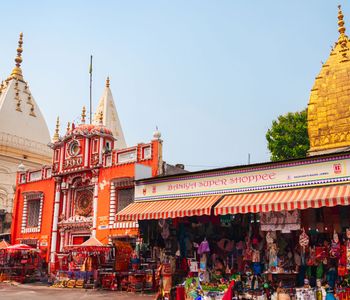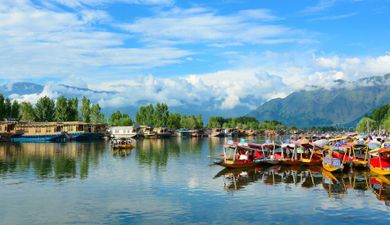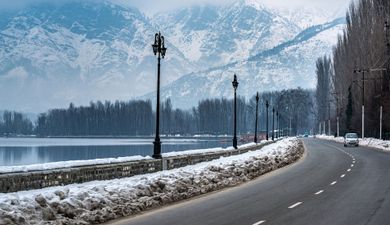
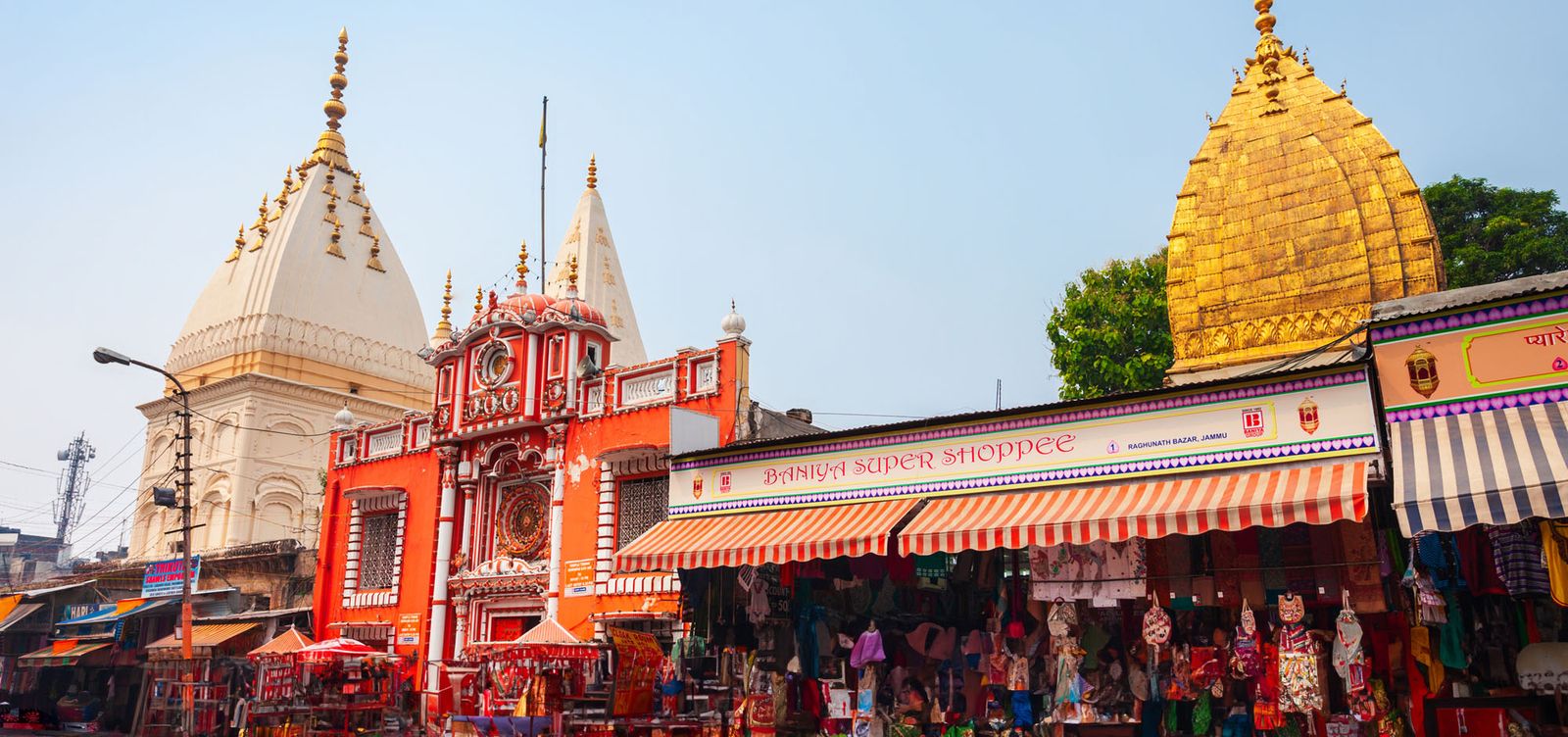
The sun hits the golden domes first. Before the city fully wakes, before the temple bells begin their morning chorus, that light catches the spires of Jammu and sets them ablaze against the pale sky — a sight that stops you mid-step, chai halfway to your lips.
Perched along the banks of the Tawi River, Jammu is the winter capital of Jammu and Kashmir and a gateway to some of India's most sacred destinations. But call it a "stopover" and you'll miss the point entirely. This is a city with centuries layered into its streets — Dogra royalty, ancient cave temples, bazaars fragrant with dried fruits and roasted spices — all framed by the rising foothills of the Shivalik Range.
Temples That Hum With Devotion
There's a reason locals call this the "City of Temples," and you'll understand within your first hour. The Raghunath Temple complex rises from the heart of the old city, one of the largest temple clusters in Northern India. Its carved spires tower above the surrounding market streets, and the air around it carries a perpetual haze of incense and the low murmur of prayer.
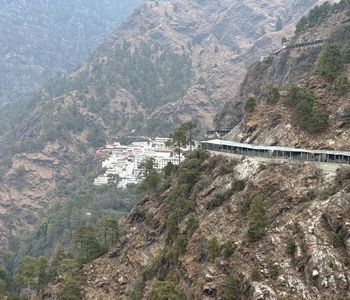
Then there's the pilgrimage that defines Jammu for millions — Vaishno Devi. Nestled in the Trikuta Mountains roughly 60 kilometers away, this sacred cave shrine draws devotees who trek uphill through cool mountain air, chanting in unison, their faith carrying them over every switchback. Jammu serves as the primary base for that journey, and the city buzzes with pilgrims preparing for the climb.
Even if spirituality isn't what brings you here, the sheer architectural grandeur of these temples — stone carvings blackened with age, brass bells swinging in doorways — leaves a lasting impression.
Where the River Meets the Ramparts
Step away from the temple grounds and Jammu's natural beauty unfolds quietly. The Tawi River slices through the city, its banks offering some of the most peaceful spots you'll find — perfect for an evening walk when the light turns everything amber and the water catches the last glow of sunset.
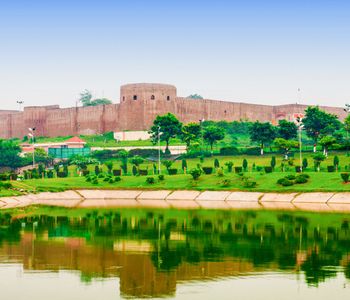
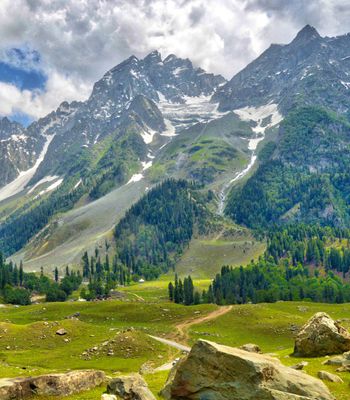
North of the city, the terrain lifts into forested hills thick with pine and deodar. Bahu Fort commands the best view of it all, perched on a rocky cliff overlooking the river. The fort is one of the oldest structures in the region, surrounded by terraced gardens where you can sit and watch the city spread out below — rooftops, temple spires, and beyond them, the distant mountain ridgeline dissolving into haze.
Dogra Soul, Bazaar Heart
Jammu's cultural identity runs deep, shaped by Dogra heritage and broader Kashmiri influences that weave together in unexpected ways. Inside the Dogra Art Museum — housed within the crumbling grandeur of the former Mubarak Mandi Palace complex — delicate miniature paintings and royal manuscripts trace centuries of artistic lineage. Each display case feels like cracking open a forgotten chapter of history.
Outside, the old city bazaars deliver a full sensory assault. Vendors hawk traditional Dogra jewelry from narrow stalls while the smoky, rich aroma of rajma chawal drifts from street-side eateries. Seek out kalari cheese — a dense, golden local specialty pan-fried until it squeaks between your teeth — and you'll understand why travelers who come for one meal end up staying for three.
When to Go (and What the Heat Has to Say About It)
Here's the honest truth: Jammu summers are fierce. Temperatures barrel past 40°C between May and June, turning midday exploration into an endurance test. Spring (March–April) and autumn (September–November) are your sweet spots — warm enough for comfort, cool enough to wander the old city without wilting.
Winter brings crisp air and occasional fog, though it stays milder than the Kashmir Valley further north. Planning to combine Jammu with Srinagar or a Vaishno Devi trek? Time your trip around these seasons and the whole journey flows more smoothly.
Adventures Beyond the City Limits
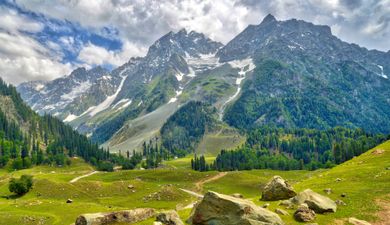
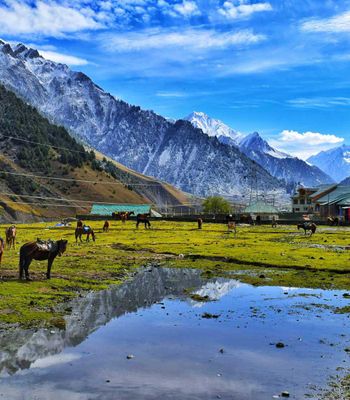
- Trek toward Patnitop and Sanasar — two popular hill stations north of Jammu, where meadows open up between pine forests and the air sharpens with altitude
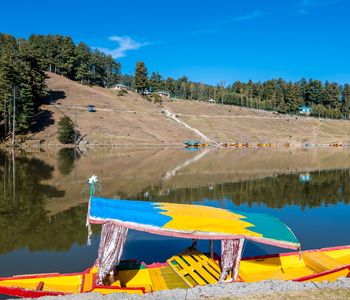
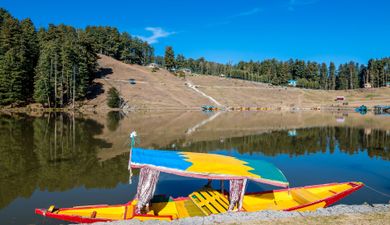
- Glide across Mansar Lake and Surinsar Lake — mythologically linked twin lakes where the water sits impossibly still, reflecting the surrounding hills like glass
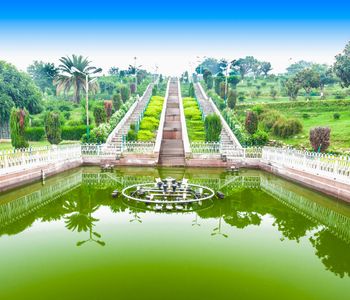
- Wander Bagh-e-Bahu garden — a leisurely escape with manicured paths and a small aquarium tucked inside
- Duck into Peer Kho cave temple — a riverside shrine carved into rock, cool and quiet even on the hottest days
Getting There Without the Hassle
Jammu's domestic airport handles regular flights from Delhi and other major cities, making access easy. Jammu Tawi Railway Station plugs into India's vast rail network — and the train ride in, with its shifting landscapes, is half the experience. Once you arrive, auto-rickshaws, taxis, and local buses shuttle you between attractions without much fuss.
More Than a Transit Point
Travelers who arrive expecting a quick stopover before Kashmir or Vaishno Devi often find themselves lingering — caught off guard by Jammu's quiet confidence. Golden temples stand shoulder to shoulder with lively markets. An ancient fort watches over a modern, growing city. The Tawi River keeps flowing through it all, indifferent and beautiful.
With its Dogra traditions, river-framed sunsets, and a spirit that is both deeply devout and disarmingly warm, Jammu isn't just a gateway. It's a destination that earns its place on any Northern India itinerary — if you give it the chance.