

By April, Delhi feels like an open kiln. The asphalt softens underfoot, ceiling fans push warm air in circles, and the only honest conversation you can have with a stranger is about how hot it is. This is when Indians do what Indians have done since the British started fleeing Calcutta for Shimla in the 1820s: they go up. Up to where the air thins, the pines start, and a sweater becomes necessary by sunset.
The hill station is one of India's great inheritances — part colonial relic, part geographical accident, part collective summer ritual. Some have been ruined by concrete and traffic jams that would shame Bangalore. Others remain, against all odds, the quiet refuges they were built to be. What follows is a regional sweep of the ones worth the climb, from the deodar slopes of Himachal to the tea ridges of the Nilgiris, the cloud forests of Meghalaya, and the volcanic shoulders of the Western Ghats. Honest opinions included. Pack a jacket.
Why the Plains Empty Out Every May
There's a moment every summer — usually the second week of May — when the temperature in Nagpur or Jaipur crosses 45°C and something fundamental breaks. School holidays begin. Trains heading north fill up months in advance. Office WhatsApp groups go silent because half the team has decamped to somewhere with altitude.
This isn't just heat avoidance. It's inherited muscle memory. The British codified the practice — Shimla literally became the summer capital of the Raj — but Indians had been retreating to cooler elevations long before that, from the Mughal gardens of Kashmir to the temple towns of the Western Ghats. The hill station is now a deeply Indian institution, complete with its own iconography: the colonial bungalow with corrugated tin roof, the mall road lined with woolens shops, the steaming plate of Maggi at a roadside dhaba where the mountain drops away beside you.
What surprises first-time visitors is how social it all is. You don't go to a hill station to be alone with nature. You go to walk shoulder-to-shoulder with extended families on a promenade, eat corn roasted on coal, and pose for photographs near a viewpoint where six other couples are doing the same. The solitude, if you want it, requires walking another two kilometers past the last selfie stick. It's there. You just have to earn it.
The Climb Worth Making: A Regional Field Guide
North India: Where the Deodars Still Outnumber the Cars
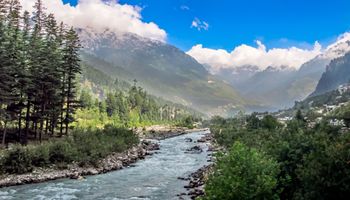
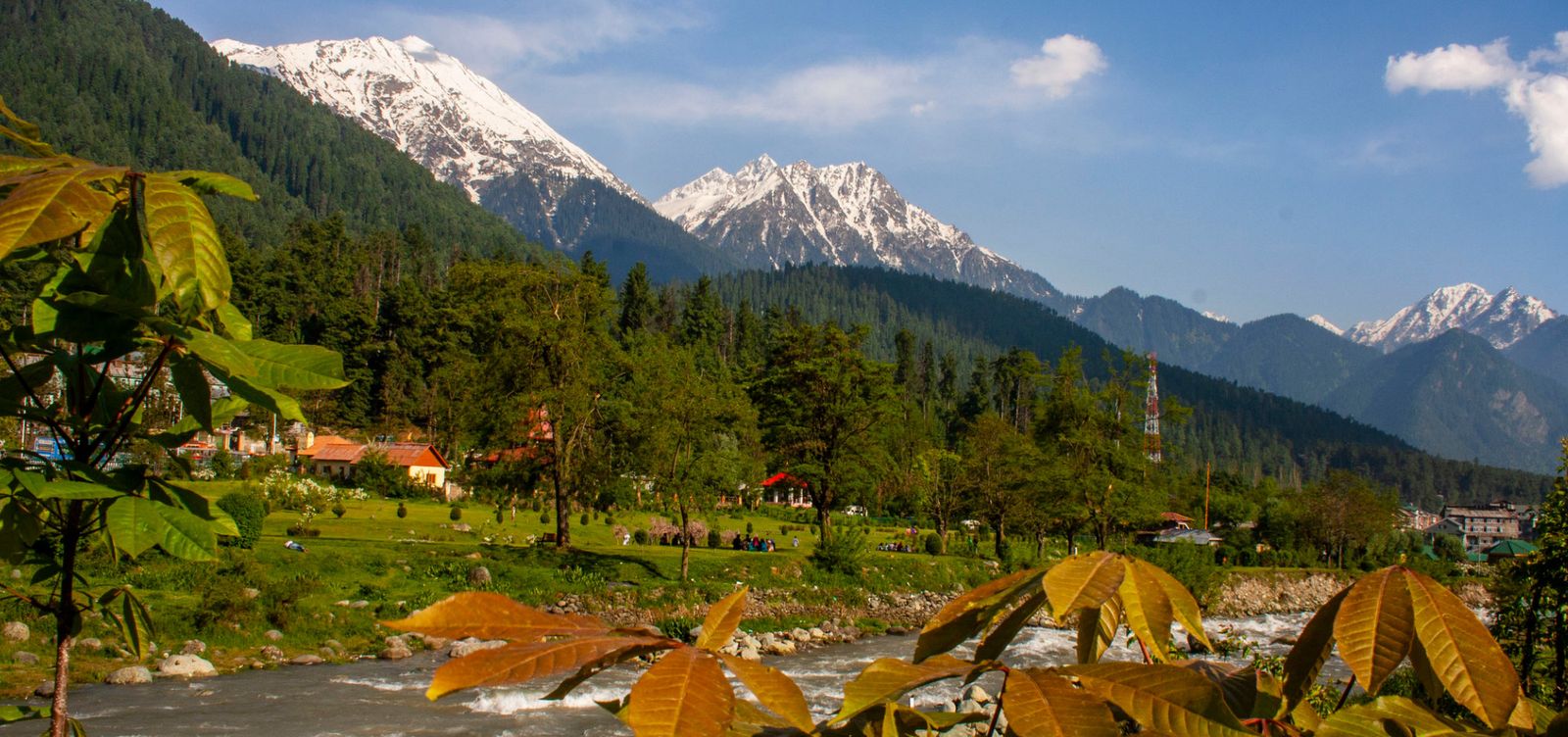
North India's hill stations are the originals, and they wear their history with varying grace. Shimla, the most famous, is now a traffic-clogged version of its former self — though The Ridge at dusk, with Christ Church silhouetted against the Himalayan haze, still earns the climb. Skip the main bazaar. Walk to Jakhoo instead, where monkeys will steal your sunglasses without ceremony.
Manali has been comprehensively ruined by honeymoon tourism in its main town, but Old Manali, fifteen minutes uphill, still smells of apple orchards and woodsmoke. Use it as a base, not a destination. From here you can drive to Solang, Sissu, or push further into Lahaul once the Atal Tunnel opens up properly in summer.
For something quieter, choose Kasauli. It's small, military-run, and refreshingly free of mall roads selling the same Tibetan keychains. The Gilbert Trail at dawn, when the mist sits in the valleys below, is one of those walks that actually delivers.
Further east, in Uttarakhand, Mussoorie is overrun but Landour — the upper, cantonment portion — remains the genuine article. Ruskin Bond still lives here. So do bakeries that smell of cardamom and the kind of mountain quiet that only exists above 7,000 feet. If you want the deeper Kumaon experience, head to Binsar or Munsiyari, where you trade convenience for snow-peak views that would make a postcard photographer weep.
South India: Tea, Mist, and the Slow South
South Indian hill stations operate at a different frequency. They're greener, wetter, and far less seasonal — which means May actually rains here, occasionally, and the temperature rarely makes you reach for a thick sweater. What you get instead is mist that swallows entire tea estates by 4 PM and the smell of eucalyptus that never quite leaves your clothes.
Ooty is the famous one, and the famous one is the most spoiled. The Botanical Garden is fine. The toy train from Mettupalayam is genuinely worth the four-hour rattle — one of the last functioning rack-and-pinion railways in the world. But the town itself has become a traffic problem with a view. Stay in a homestay outside it, in Coonoor or Kotagiri, where tea pickers still walk the slopes at dawn and you can hear nothing for minutes at a stretch.
Munnar in Kerala is the better choice if you've not been. The drive up through Idukki, past cardamom plantations and waterfalls that have no names on Google Maps, is the actual experience. The town is a working tea town, not a tourist construction. Eat at Saravana Bhavan for breakfast — the kerala parotta with egg curry costs less than a coffee in Bangalore and tastes like something your grandmother might have made.
For the truly slow, Wayanad offers cliffs, caves, and elephants that occasionally walk through resort lawns. And if you have a week, Coorg — Kodagu, properly — gives you coffee plantations, pork curry made with kachampuli vinegar, and a culture that feels distinctly its own, neither Karnataka nor Kerala but something older.
East and Northeast: Cloud Country and Living Bridges
The east of India is where the hill station gets reinvented. Darjeeling, perched on its Himalayan ridge in West Bengal, is older than most American cities and looks it — peeling colonial facades, rattling toy trains, and the unmistakable smell of first-flush tea from the estates below. Wake up at 4 AM for Tiger Hill. Yes, it's a cliché. Yes, when Kanchenjunga turns pink at sunrise, you'll understand why people still do it.
Kalimpong, an hour away, gets a tenth of the tourists and is the better town. It has Buddhist monasteries, flower nurseries that supply half of India, and a slowness that Darjeeling lost decades ago.
Then there's Meghalaya — the abode of clouds, and it means it. Shillong is pleasant but the real reward is pushing further to Cherrapunji or Mawlynnong, where the Khasi people have grown living root bridges over centuries by training rubber tree roots across rivers. You walk on bridges that are still alive. It's an idea so radical and beautiful you keep turning it over in your head for weeks afterward.
For something even further off the standard map, Tawang in Arunachal Pradesh requires permits, two days of dramatic driving, and rewards you with a 17th-century monastery sitting at 10,000 feet — the largest in India, second largest in the world after Lhasa. The cold here, even in summer, has teeth. Bring serious layers.
West India: The Western Ghats, Minus the Postcard
West India's hill stations don't compete with the Himalayas on altitude, but they have their own logic. Mahabaleshwar, three hours from Pune, is the obvious choice — strawberry farms, the famous chikki, viewpoints over the Sahyadri ranges. It gets crowded on weekends. Visit midweek, or look at Panchgani next door, which has the same air and half the noise.
Matheran is the strange one — India's only automobile-free hill station. You park at Dasturi and either walk, ride a horse, or take the toy train the final stretch in. The result is a place that sounds like a place should: birds, wind, hooves on red earth. Stay at one of the old Parsi bungalows if you can find one available. The verandahs face the valley and the silence is unfamiliar enough to feel medicinal.
For something more remote, Mount Abu in Rajasthan is the desert state's only hill station, sitting on a granite plateau in the Aravallis. The Dilwara Jain Temples here are worth the trip alone — marble carved with such delicate intricacy that you wonder how human hands made it. The lake town itself is touristy, but the surrounding plateau, with its boulders and sunset points, has a strange lunar quality.
Saputara in Gujarat is small and underrated — a one-lake town with tribal markets on weekends. And if you're in Maharashtra and want something less developed than Mahabaleshwar, look at Bhandardara, where the Wilson Dam and Arthur Lake create an almost Scottish landscape, especially when the monsoon arrives early.
So, Where Should You Actually Go?
The answer depends on what you're escaping. If it's pure heat and you want serious altitude — Himachal or Uttarakhand, with a preference for the smaller towns over the famous ones. If it's noise and crowds, the Northeast is your antidote, especially Meghalaya and the lesser-visited corners of Sikkim and Arunachal. If you have only a long weekend and live in the south, Coonoor or Coorg over Ooty, every time. From Mumbai or Pune, Matheran beats Mahabaleshwar for atmosphere, though Mahabaleshwar wins for food.
The hill station, at its best, isn't about ticking off viewpoints or filling a camera roll. It's about that first cold morning when you reach for a jacket and realize you haven't sweated through your shirt in eighteen hours. That's the entire point. The rest — the tea, the pines, the toy trains, the monkeys stealing your snacks — is just the texture of the gift. Go up. The plains can wait.