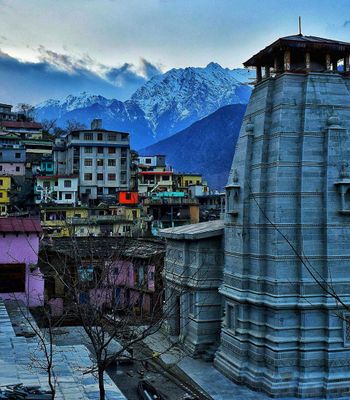
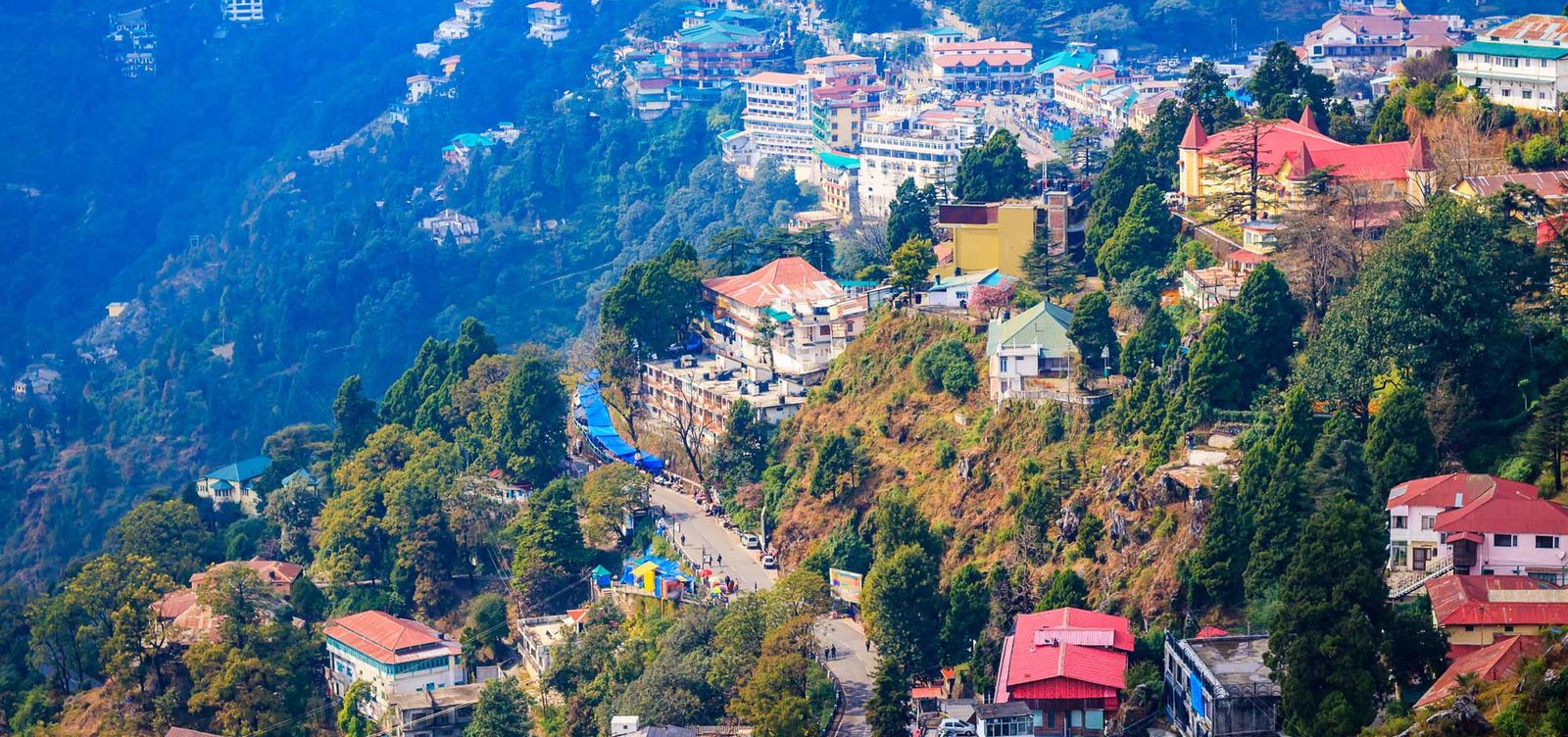
The first thing that hits you isn't the view — it's the air. Cool, thin, faintly scented with pine resin and woodsmoke, it fills your lungs like a declaration: you've arrived somewhere different. Then you look up, and there it is — the snow-draped spine of the Garhwal Himalayas stretched across the northern horizon like a wall of crushed diamonds. Mussoorie, perched at roughly 6,500 feet above sea level on the shoulders of the Shivalik range, has been stealing breaths like this for nearly two centuries. They call it the Queen of the Hills, and honestly, the title feels earned within minutes.
Where Colonial Echoes Meet Mountain Soul
British settlers carved this town into the ridgeline in the early 19th century, and their fingerprints are everywhere — in stone churches with arched windows, in ivy-draped boarding schools with European facades, in the creaking shelves of old libraries that smell of aged paper and damp wood. But Mussoorie never became a museum piece.
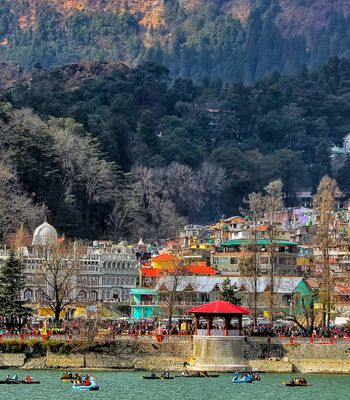
Step outside those colonial relics and you're swallowed by the joyful chaos of Indian hill-town life: brightly painted shops stacked on steep lanes, prayer flags snapping in the breeze, the sound of Hindi film songs drifting from a transistor radio somewhere above you. Few places in Northern India blend these two worlds so seamlessly — or so unselfconsciously.
Mall Road: Where the Whole Town Comes to Play
Every evening, Mall Road transforms into something between a festival and a family reunion. This pedestrian-only stretch — running from Library Bazaar on one end to Picture Palace on the other — is the beating heart of Mussoorie, and it pulses hardest after sundown.
Wander past shops draped in woolen shawls so soft you'll want to bury your face in them. Pause at a vendor's cart where Maggi noodles — the unofficial mascot of every Indian hill station — steam in metal bowls beside cups of milky chai that warm your hands as much as your stomach. The click of boots on pavement, the chatter of families, the glow of shopfronts against darkening hills — it all creates an atmosphere that's impossible to rush through.
Because vehicles are restricted along most of the road, you can actually breathe here, both literally and figuratively. Take your time. That's what Mall Road is for.
Trails That Pull You Into the Wild
Beyond the town's bustling core, Mussoorie unfolds into forested ridges, misty valleys, and winding pathways that beg you to keep going just a little further.
Camel's Back Road — named for a rock formation that genuinely looks like a camel's hump — is the kind of walk that resets your entire nervous system. The path is gentle, the silence broken only by birdsong and your own footsteps, and the mountain views make you stop mid-stride more than once. For a bigger challenge, trek to Lal Tibba, Mussoorie's highest point, where a mounted telescope brings the mighty peaks of Badrinath and Kedarnath startlingly close on clear days.
About 15 kilometers from town, Kempty Falls thunders down rocky tiers into a churning pool below. The mist hits your face before you even see the water, and the roar grows louder with every step closer. It's touristy, yes — but the sheer force of the cascade earns every visitor it gets.
A Living, Breathing Green World
Mussoorie's hillsides wear different costumes depending on when you show up. Monsoon drapes everything in an almost unreasonable green — emerald slopes dissolving into low-hanging clouds that swallow entire valleys. Spring scatters wildflowers across meadows and fills the canopy with birdsong so loud it competes with your alarm clock.
Deodar, oak, and rhododendron forests blanket the ridges, shifting in color and density with the seasons. Some of the most rewarding escapes lie just beyond the town limits:
- Cloud's End — a hushed forest area marking the geographical edge of Mussoorie, where the road literally runs out and wilderness begins
- George Everest Peak — the former residence and observatory of Sir George Everest, with 360-degree views that justify the uphill effort
- Benog Wildlife Sanctuary — a haven for Himalayan bird species, where patient watchers are rewarded with rare sightings among the oaks
- Landour — a quieter cantonment area beloved for its old-world charm, legendary bakeries, and a pace of life that feels almost meditative
Landour: The Quieter, Deeper Magic
If Mussoorie is a lively conversation, Landour is the thoughtful pause that follows. Sitting just above the main town, this peaceful settlement draws writers, artists, and anyone who craves solitude without isolation.
The famous author Ruskin Bond has called Landour home for decades, and his presence has woven a literary mystique into its narrow lanes. You half-expect to find a character from one of his stories sitting on a bench around the next bend. Stop at one of the old bakeries — the kind where butter and cinnamon scent the air from twenty paces away — and let a warm plum cake and black coffee anchor you to the moment. Walking these quiet paths feels like discovering a slower, more contemplative version of the hill station below.
Getting There Without the Guesswork
Dehradun, just 35 kilometers to the south, is your gateway. Jolly Grant Airport handles flights from major Indian cities, and Dehradun Railway Station connects you to the broader rail network. From either point, taxis and shared vehicles make the winding climb in about an hour — a drive that curls through sal forests and past terraced fields before the temperature drops and the pines begin.
A Hill Station That Changes Its Face — But Never Its Heart
Arrive in summer and you'll find the town vibrant and buzzing, every guesthouse full, every evening walk a social affair. Come in winter and frost lines the pathways, your breath hangs visible in the cold, and the silence feels almost sacred. Visit during monsoon, and clouds roll through the streets at eye level — literally through them — turning an ordinary walk into something surreal.
What pulls people back to Mussoorie, year after year, isn't any single attraction or viewpoint. It's the feeling the place quietly gives you — a sense of being elevated, in every meaning of the word.