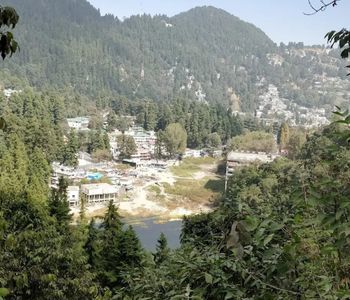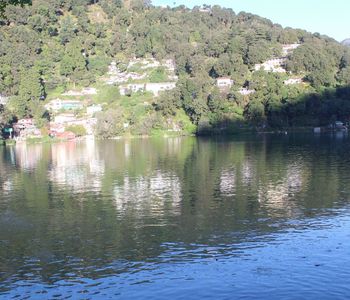
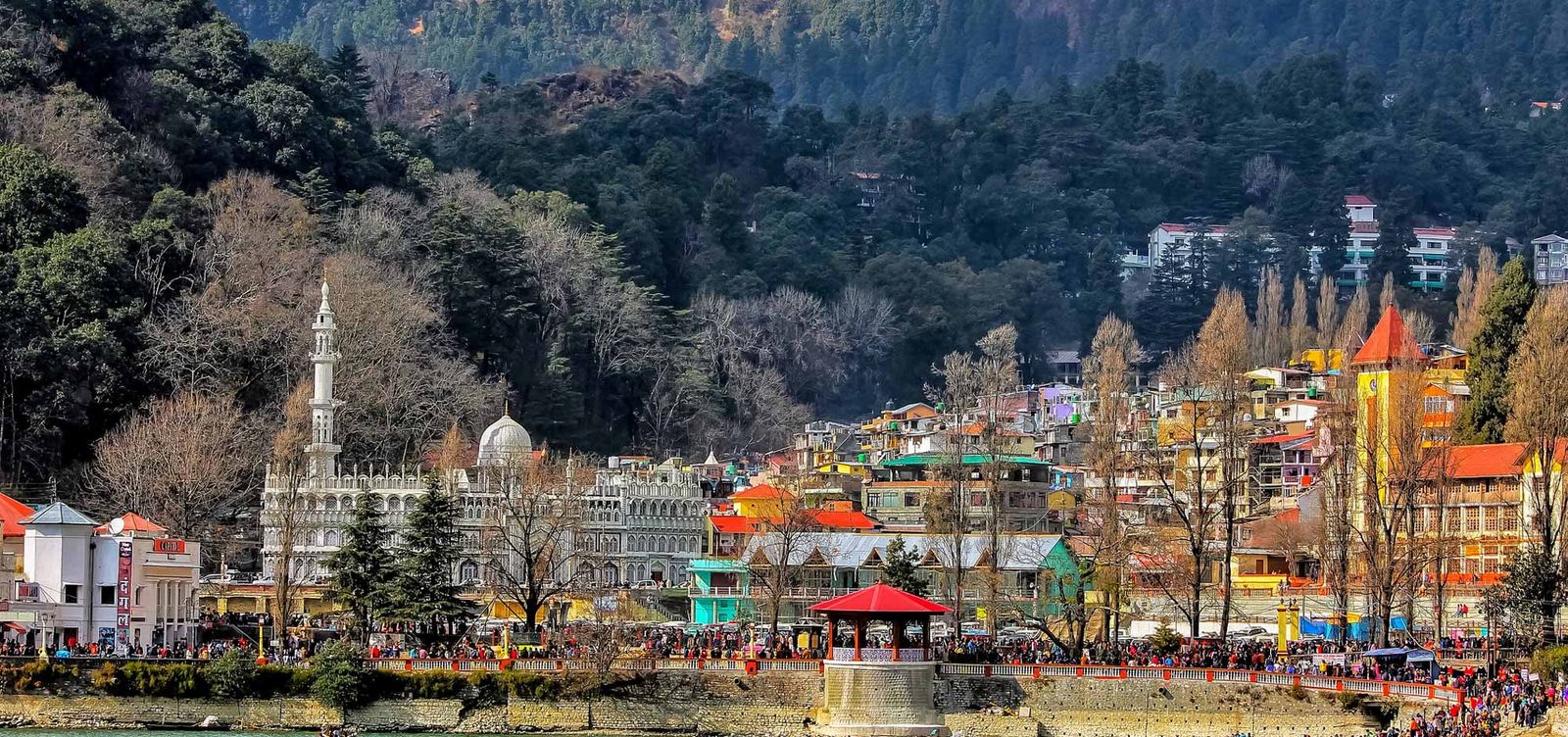
There's a moment — right as your taxi crests the final hill and Naini Lake suddenly appears below, impossibly green, cradled by mist-wrapped mountains — when you understand why people have been falling in love with this place for over a hundred years. Nainital doesn't just greet you. It stops you mid-breath.
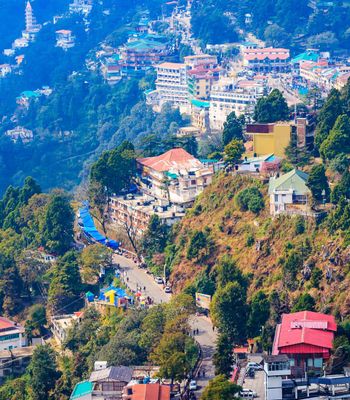
Perched at roughly 6,800 feet in the Kumaon Hills of Uttarakhand, this crescent-shaped hill station has a pulse all its own. Colonial-era charm layered over ancient devotion, pine-scented trails spilling into bustling bazaars, and a lake so central to daily life that the entire town seems to orbit around it like a slow, contented waltz.
When the Weather Plays in Your Favor
Summer is Nainital's golden window — while the rest of Northern India melts under relentless heat, you'll be reaching for a light jacket here. The air is crisp, the skies cooperative, and the lake sparkles like it's showing off for the crowds.
Monsoon, from July through September, transforms the town into something almost primordial. Rain hammers the tin rooftops, waterfalls appear overnight on hillsides, and the forests erupt into shades of green you didn't know existed. It's dramatic, moody, and utterly gorgeous — if you don't mind getting soaked.
Winter quiets everything down. The tourist rush thins, mist settles low over the water, and on lucky days, a dusting of snow on the higher ridges turns the skyline into a postcard you'll want to frame.
The Lake That Runs the Show
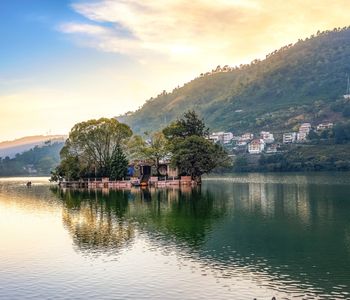
Naini Lake stretches nearly a mile, and everything worth doing seems to start at its shore. Stroll along Mall Road and let the scene wash over you — the pop and sizzle of roasted corn from a street vendor's cart, the wooden creak of brightly painted boats nudging the jetty, the chatter of families mixing with birdsong drifting down from oak and pine canopies overhead.
Rent a paddleboat or climb into a shikara and glide across the water. It's practically a rite of passage. Halfway out, when the town noise fades and all you hear is the lap of water against the hull and the distant call of a barbet, you'll feel the tension in your shoulders finally let go.
Two Towns in One
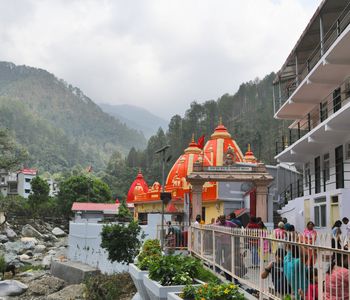
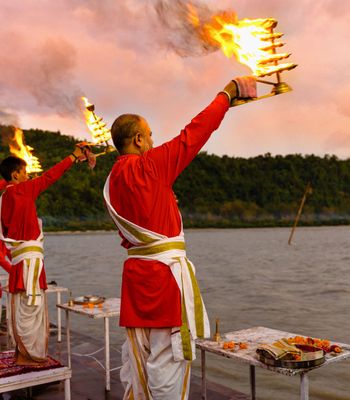
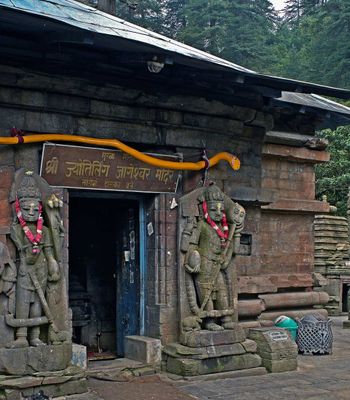
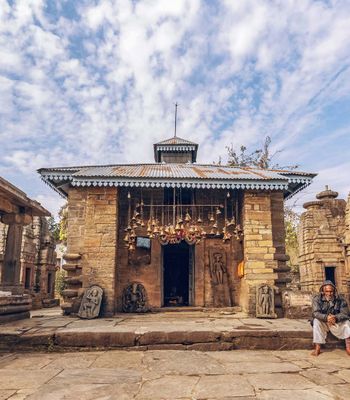
Nainital splits neatly into two personalities. On the northern end sits Mallital, home to the revered Naina Devi Temple — a sacred site dedicated to the goddess Naina Devi that draws Hindu pilgrims year-round. Temple bells ring out across the water, mingling with the rustle of prayer flags, and there's a stillness here that even the busiest tourist season can't quite shake.
Down at the southern end, Tallital is all energy — bus stands buzzing with arrivals, markets overflowing with woolens and wooden trinkets, and accommodations ranging from no-frills guesthouses to stately heritage hotels with creaking floorboards and views that justify every rupee.
Views That Make You Forget Your Phone Password
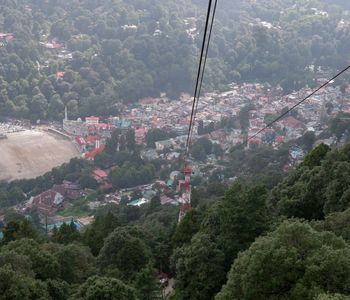
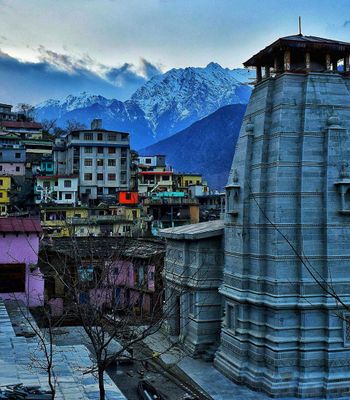
Hop on the cable car to Snow View Point and watch the world fall away beneath you. On a clear day, the distant Himalayan giants reveal themselves — Nanda Devi, Trisul — standing impossibly tall against a sky so blue it almost hurts to look at. You'll stand there, wind tugging at your hair, and feel genuinely small in the best possible way.
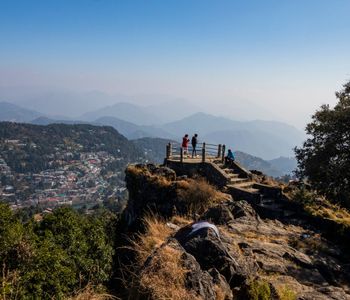
For something more earned, hike up to Tiffin Top, also known as Dorothy's Seat. The trail winds through dense forest — dappled light, the crunch of pine needles underfoot, the occasional rustle of something unseen in the undergrowth. At the summit, the Kumaon landscape unfolds in every direction. If you'd rather save your knees, ponies are available for the ascent, and honestly, there's no shame in it.
For Those Who Need Their Heart Rate Up
Naina Peak, the highest point in the area at over 8,500 feet, rewards ambitious trekkers with a trail that cuts through thick woodland before breaking open to jaw-dropping panoramas. The climb is moderate but steady — bring water and a good playlist, or better yet, leave the earbuds behind and listen to the forest.
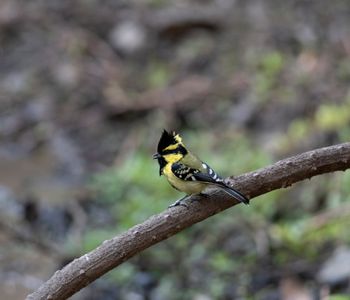
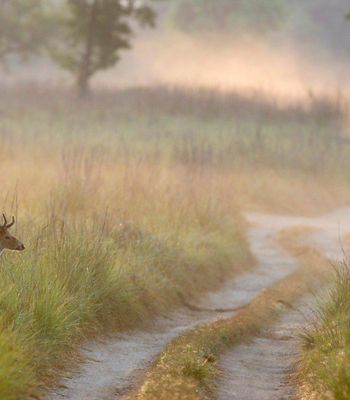
Birdwatchers, bring your binoculars. Himalayan woodpeckers, vibrant magpies, and dozens of other species dart between the branches in these ancient forests. Visit during spring and the trails practically glow — rhododendrons blaze red and pink, wildflowers carpet the hillsides, and every turn on the path feels like stepping into a nature documentary.
Your Launchpad for the Kumaon Region
Nainital makes a perfect base camp for exploring what else the Kumaon Hills have tucked away. Day trips are easy to arrange, and each one offers a different flavor:
- Bhimtal — A larger, quieter lake where you can actually hear yourself think
- Sattal — Seven interconnected freshwater lakes wrapped in forest, perfect for a contemplative morning
- Mukteshwar — Cliff-edge views that make your palms sweat and an ancient temple that grounds you right after
- Naukuchiatal — A serene, nine-cornered lake where kayaking feels less like sport and more like meditation
Where Colonial Echoes Meet Kumaoni Soul
Wander past stone churches and ivy-covered boarding schools that look like they were plucked straight from the English countryside, then turn a corner into a vibrant bazaar where artisans sell hand-knitted woolens, beeswax candles, and carved wooden keepsakes. That juxtaposition is part of Nainital's magic — layers of history stacked on top of each other, none quite erasing what came before.
The Kumaoni people are the kind of warm that makes you want to linger. A shopkeeper might insist you try chai before you browse. A local might point you toward a trail that isn't in any guidebook. Hindi and English are widely spoken, so conversations flow easily, and you'll leave feeling less like a tourist and more like someone who was genuinely welcomed.
The Feeling That Follows You Home
Whether you came for quiet mornings watching mist lift off the lake, for lung-burning hikes through forests that smell of pine and wet earth, or simply to escape the furnace of the plains — Nainital gives you more than you expected. It's the kind of place that settles into your memory slowly and stubbornly refuses to leave.
And on some ordinary Tuesday months later, when you catch the scent of wood smoke or hear rain on a rooftop, you'll think of that emerald lake, those forested hills, and the way the light hit the water just before sunset — and you'll already be planning your return.