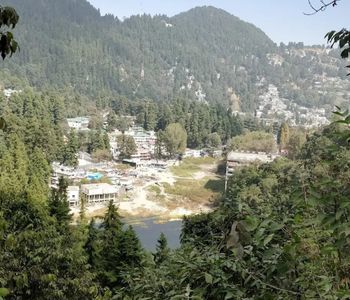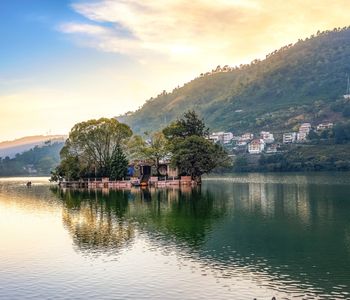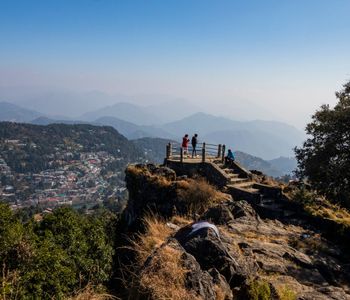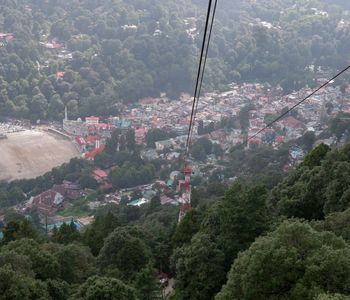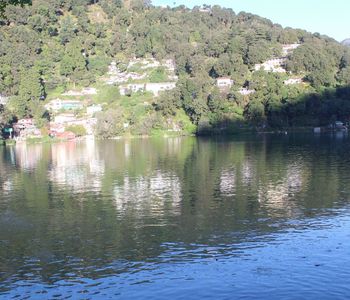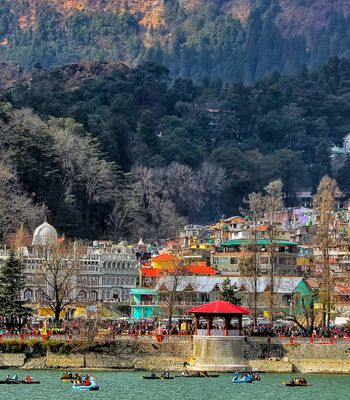
At roughly 2,100 metres above sea level, the Nainital Zoo occupies a steep patch of oak and deodar forest on Sher Ka Danda hill, the lake town spread below like a postcard you can't quite believe. The air here is thin enough to make you pause on the uphill paths, and cool enough — even in May — to justify a light jacket. Officially named the Pt. Govind Ballabh Pant High Altitude Zoo, this is one of the few zoological parks in the country designed exclusively for Himalayan and Central Asian fauna. No elephants, no giraffes, no tropical birds. Everything here belongs to the cold. That singular focus is what makes this modest zoo more honest than most — it doesn't pretend to be a Noah's Ark of global species. The mountain forest does half the work of immersion; the narrow scope does the rest.
Animals That Actually Belong Here
The zoo houses snow leopards, Himalayan black bears, Tibetan wolves, barking deer, and the brilliantly plumed Himalayan monal — Nepal's national bird — among other species adapted to altitude. What strikes you first isn't the variety. It's the setting. Enclosures are cut into the natural hillside, shaded by the same trees that would shelter these animals in the wild. The snow leopard enclosure, often the reason people make the climb, sits in a cool, shaded section where the cats pace across rock ledges that mimic the high-altitude terrain they were born to navigate.
Contrary to what you'd expect from a small hill-station zoo, the Himalayan black bears here are genuinely active — restless, even. Perhaps it's the altitude, or the year-round chill, but they move with an unsettled energy you rarely see in lowland facilities where bears tend to lie flat like deflated rugs. The Tibetan wolves, meanwhile, stay partially hidden. A reminder that wildlife doesn't perform on cue, no matter how much your camera wants it to.
Your Lungs Will Know Before Your Legs Do
Here's the thing nobody warns you about: the zoo is essentially a steep forest trail with animals along the way. The path climbs steadily from the entrance, winding through dense woodland where sunlight drops in slants through the canopy. Comfortable shoes aren't optional — they're essential. Flip-flops will punish you within the first hundred metres.
The entire circuit takes about ninety minutes at a relaxed pace, though you should add time for catching your breath if you aren't accustomed to altitude. Benches appear at intervals, placed strategically — always near an enclosure, so resting never feels like defeat. It feels like observation.
One unexpected pleasure: the walk itself. Strip away every enclosure, and the forested hillside would still justify the visit. Langurs swing through the branches overhead, uninvited but very much at home. Bird calls — real ones, from birds that chose to be here — layer over the zoo's quieter moments, and for a few seconds at a time you forget there are fences anywhere.
Born from Conservation, Not Spectacle
The zoo opened in 1984 with a mandate that set it apart from India's older, colonial-era zoological gardens. Rather than assembling a crowd-pleasing menagerie, it was established specifically for the conservation and breeding of endangered Himalayan species. The Central Zoo Authority of India governs its operations, and the focus has remained on high-altitude animals throughout its existence.
Breeding programs for the snow leopard and the Himalayan monal have operated here with varying degrees of success. The zoo's relatively small size — about 4.6 hectares — means capacity is limited, and the animal population is kept deliberately modest. This isn't a place trying to compete with the sprawling zoos of Delhi or Mysore. It functions more like a conservation outpost that happens to let you through the gate.
The Practical Details That Actually Matter
The zoo stays open Tuesday through Sunday, closing every Monday and on national holidays. Hours typically run from 10 a.m. to 4:30 p.m., with last entry at 4 p.m. — though these can shift slightly by season, so confirm before making the walk up. Entry fees are modest: generally around 50 rupees for Indian nationals and a few hundred rupees for foreign visitors. Children's tickets come cheaper. Camera fees exist separately, so factor that in if you're carrying anything beyond a phone.
The best months fall between March and June, and again from September through November. Monsoon season — July and August — turns the hillside paths treacherous, and the zoo occasionally closes during heavy rainfall. Winter visits carry their own appeal: fog threading through the deodar trunks, the animals visibly more at ease in the cold. But the paths demand extra caution when frost settles in.
Getting There Without the Grief
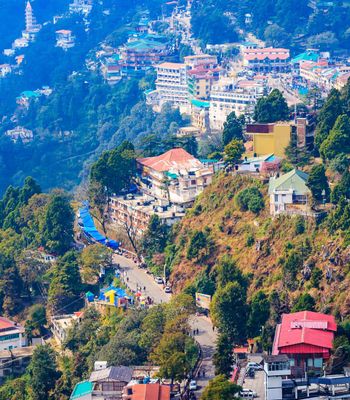
From Nainital's Mall Road, the zoo sits about two kilometres uphill. You can walk it in roughly thirty minutes if your legs and lungs cooperate, though the gradient is honest — it doesn't pretend to be flat even for a moment. Auto rickshaws and taxis make the trip regularly, and most drivers in town know the route without needing directions. If you're staying near Tallital, the southern end of Naini Lake, expect a slightly longer ride that curves through the hill roads above town.
Parking near the entrance is limited, particularly on weekends and during the May-June tourist rush. Arriving before 11 a.m. on a weekday gives you the best chance at both a spot and thinner crowds inside. The zoo's pathways aren't wide enough to comfortably absorb large groups, and the experience improves dramatically when you aren't shuffling behind a school excursion of forty children all shouting the word "leopard."
The Enclosure Most People Walk Right Past
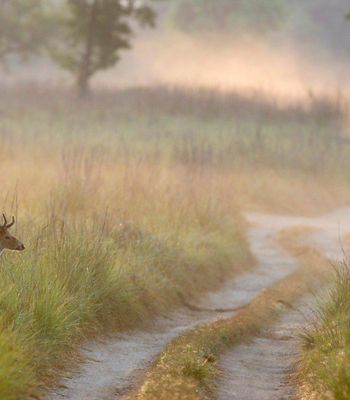
The sambar deer enclosure sits lower on the circuit, and most visitors blow past it after spending their attention on the big predators. Stop anyway. The sambar here are unusually calm around humans, and watching them move through a forested enclosure — rather than a fenced grassland — gives you a better sense of how deer actually behave in hill forests. It's the kind of quiet observation that justifies a zoo's existence more than any snow leopard pacing behind glass ever could.
The zoo also maintains a small collection of pheasants and Himalayan birds in aviaries near the upper circuit. The Himalayan monal, with its iridescent green-and-copper plumage, is genuinely startling the first time you see one in direct sunlight. The feathers don't just reflect light — they seem to generate it. Photographs never quite capture what happens when the sun catches those colours at the right angle.
A Small Zoo That Earns Its Altitude
Nainital Zoo won't overwhelm you. It doesn't try. What it offers is a focused, altitude-appropriate encounter with animals most Indian zoos can't properly house. The forest setting does what concrete enclosures never could, and the physical effort of walking the hillside circuit earns you something beyond a casual stroll past cages. Come early, wear sturdy shoes, and let the mountain air slow you down enough to actually watch. The animals here seem genuinely settled in their terrain — and by the time you leave, slightly winded and oddly satisfied, you'll understand exactly why.