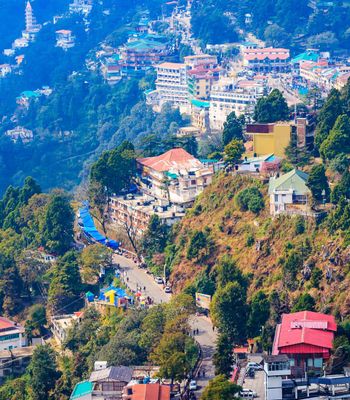
The morning air hits you first — cool, tinged with pine, and carrying the faint sweetness of litchi orchards in bloom. Dehradun doesn't announce itself with drama. It seduces you slowly, a city that lives where the plains dissolve into the Himalayas, cradled in the Doon Valley between the Shivalik Hills to the south and the great Himalayan foothills to the north. With the Song River tracing one edge and the Tons River the other, this Uttarakhand capital enjoys a climate that rarely punishes and almost always rewards. Adventure, spirituality, a world-class education hub, or just a lungful of mountain air — whatever brought you here, Dehradun has already started delivering before you've finished your first cup of chai.
Not Your Typical Hill Station Gateway
Forget the cramped, honking chaos of most mountain-town entry points. Dehradun sprawls with confidence — wide, tree-canopied roads, sal forests pressing in at the city's edges, and colonial-era institutions that lend the place a scholarly gravitas you can actually feel.
For more than a century, this city has been a magnet for learning and research. The Forest Research Institute, the Indian Military Academy, the Doon School — these names carry weight across the country, and they've shaped Dehradun's character into something distinctly purposeful. Spend even an hour at the Forest Research Institute campus and you'll understand: its Greco-Roman columns and arched corridors stretch across a sprawling green estate so grand, so meticulously kept, it feels less like an academic compound and more like a palace someone forgot to fence off from the public.
Bazaars, Momos, and the Sweet Side of the Valley
A thunderclap of color and commerce — that's Paltan Bazaar on any given afternoon. Vendors hawk woolen shawls in jewel tones, mounds of fragrant local spices, and glasses of freshly crushed sugarcane juice so cold it stings your teeth. Rajpur Road hums with a different energy: bakeries pushing out warm bread, tiny restaurants where the steam from Tibetan momo baskets fogs the windows, and sweet shops piling up bal mithai — that iconic, chocolate-coated fudge from the Kumaon region that crumbles just right between your fingers.
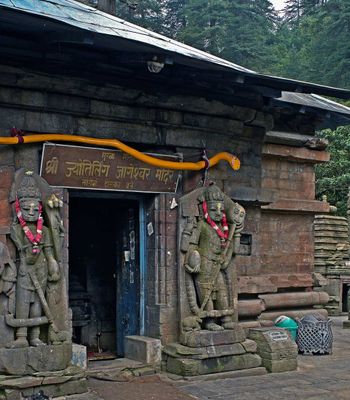
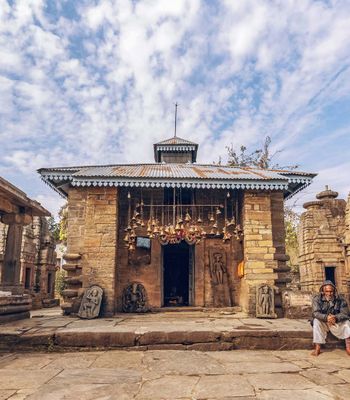
Wander deeper into the older quarters and the noise fades. Here, narrow lanes thread past temples, gurudwaras, and mosques standing shoulder to shoulder — a quiet, lived-in testament to centuries of communal harmony. You don't read about it on a plaque. You feel it in the unhurried way neighbors greet each other across faiths.
Where Water Carves the Stone
A river vanishing into a limestone gorge, its current tugging at your ankles as rock walls tower on both sides — Robber's Cave, or Guchhupani as locals call it, is the kind of place that makes you forget you're only minutes from a state capital. Wade through the cool, knee-deep water and listen to the echo of your own footsteps bouncing off ancient stone.
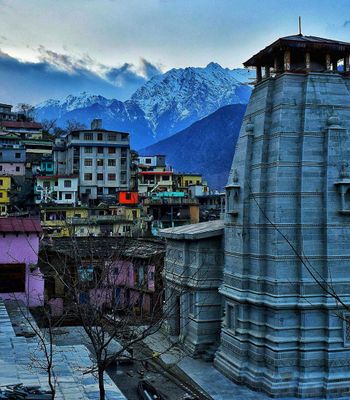
Then there's Sahastradhara — "the thousand-fold spring" — where sulphur-rich waterfalls cascade over terraced rock, their mineral-laced mist settling on your skin like a cold, earthy balm that locals swear carries healing properties. On a clear day, drive the 35 kilometers up to Mussoorie and watch the world tilt: the Doon Valley unspools below in green and gold, while snow-dusted Himalayan peaks line the northern horizon like jagged teeth biting into the sky.
Your Launchpad for Uttarakhand's Greatest Hits
Nearly every iconic Uttarakhand journey threads through Dehradun. Travelers bound for the following destinations almost always start here:
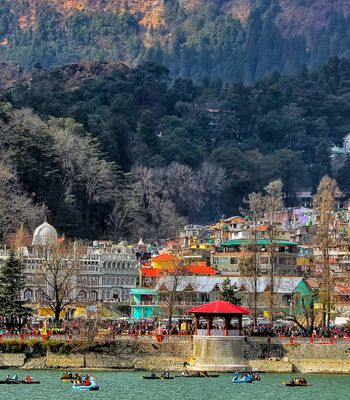
- Mussoorie — the "Queen of Hills," a winding hour's drive above the valley
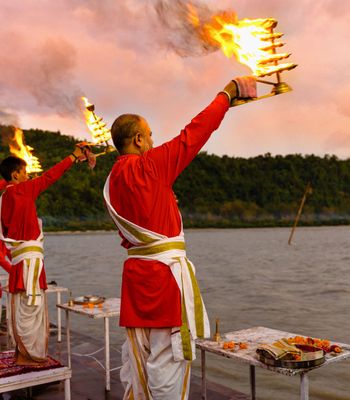
- Haridwar — where the Ganges meets the plains in a blaze of evening aartis
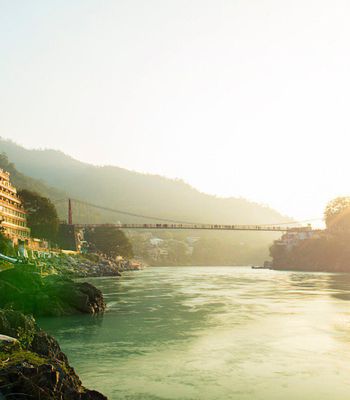
- Rishikesh — yoga capital, rafting mecca, and spiritual reset button
- Chakrata — a quieter, wilder hill escape still mostly off the tourist radar
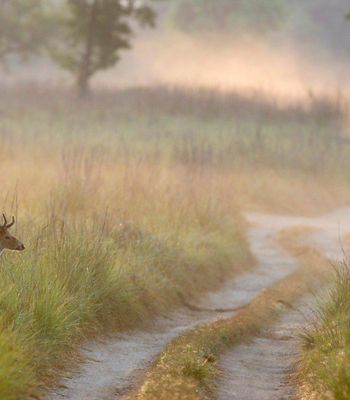
River rafting on the Ganges, camping under star-choked skies near Rajaji National Park, cycling the scenic, eucalyptus-lined route toward Maldevta — these aren't bucket-list fantasies here. They're Tuesday options. And they're exactly why adventure seekers keep coming back.
When to Go (And Why Every Season Has a Case)
Spring — March through May — is the crowd favorite: mild temperatures, wildflowers rioting across hillsides, and long daylight hours perfect for exploration. Monsoon, July to September, drenches the valley in an almost unreasonable green, though landslide-prone roads demand flexibility and patience.
Autumn steals the show for photographers. October and November bring crystalline air and mountain views so sharp they look retouched. Even winter carries its own magic — mornings arrive wrapped in gentle fog, the city quiets down, and the distant Himalayan peaks wear their finest white coats against skies of impossible blue.
Getting There Without the Headache
Jolly Grant Airport links Dehradun to major Indian metros, so you can be sipping valley-grown tea within hours of leaving Delhi, Mumbai, or Bangalore. An extensive rail and road network makes overland travel equally painless — the overnight train from Delhi is a classic for a reason. Once you're in the valley, auto-rickshaws rattle cheerfully between landmarks, taxis are plentiful, and local buses connect you to the surrounding towns without much fuss.
The Kind of City That Stays With You
Few Indian cities pull off what Dehradun manages so effortlessly — the conveniences of a modern state capital wrapped in the tranquility of a mountain retreat. But here's the real secret: the best of Dehradun isn't on any must-see list.
It's a quiet café along Rajpur Road where the espresso is strong and the Wi-Fi is someone else's problem. It's the moment the setting sun paints the Shivalik Hills in amber and rust, and the valley exhales. It's the unhurried rhythm of a place that has been drawing travelers for generations — not with spectacle, but with something harder to name and even harder to leave behind.
Take your time here. Dehradun rewards those who do.