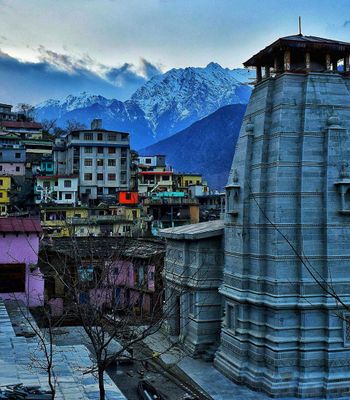
The first thing that hits you in Almora isn't the view — it's the silence. A deep, resonant quiet that settles over The Ridge like a wool shawl, broken only by temple bells and the distant call of a barbet somewhere in the pines. Then you look up, and there they are: the Himalayas, impossibly close, their snow-draped summits hanging in the sky like a half-remembered dream.
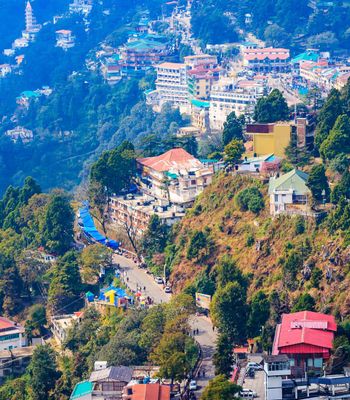
Stretched like a horseshoe across a ridge in the Kumaon Hills at roughly 5,400 feet, this ancient town has been pulling in seekers, wanderers, and the quietly curious for centuries. And honestly? It deserves every bit of that devotion.
A Story That Predates the British Raj
Most Indian hill stations trace their origins to British colonial planners with a taste for cooler air. Almora is different. The Chand dynasty rulers founded this town back in the 16th century, and that deeper history still pulses through its narrow lanes and weathered stone facades.
Duck into Lal Bazaar, the old cobbled marketplace that runs along the spine of the ridge, and you'll feel it immediately. Copper vessels gleam under bare bulbs. Stacks of hand-woven woolen shawls spill from wooden shelves. Shopkeepers greet you in a warm jumble of Kumaoni, Hindi, and often English, gesturing you inside with easy familiarity.
Follow your nose toward the confectionery stalls — the sweet, toasty aroma of bal mithai is impossible to resist. This beloved local treat, coated in tiny white sugar balls that crunch against its fudgy chocolate-brown center, has been made the same way by the same families for generations. Buy a box. Buy two. You'll thank yourself on the drive home.
Temples, Brass Bells, and Living Devotion
Almora doesn't display its spirituality in museums — it lives it. Temples are threaded into the town's daily rhythm, as natural as the morning fog rolling off the valley floor.
The Nanda Devi Temple sits right in the bazaar's beating heart. Centuries old and still thrumming with energy, it hosts an annual fair where Kumaoni music, traditional dance, and deep devotion converge in a celebration that feels both sacred and joyfully communal. Time your visit right, and the festival alone is worth the journey.
A short drive from town, Chitai Golu Devta Temple offers something you won't see anywhere else. Thousands upon thousands of brass bells — small, large, tarnished, gleaming — hang in dense clusters from every surface, each one an offering from a devotee seeking justice or blessings. The effect is mesmerizing: a gentle metallic chorus that shivers in the mountain breeze. Stand among them and you can almost feel the weight of all those whispered prayers.
When the Mountains Turn to Gold
Set your alarm. Seriously. Drag yourself out of your warm blanket before dawn, make your way to Bright End Corner on the town's outskirts, and wait.
What happens next will ruin every other sunrise for you. The snow-clad peaks of Nanda Devi, Trisul, and Nanda Kot catch the first light and ignite — shifting from deep violet to rose to molten gold in a slow, breathtaking cascade. The entire Himalayan panorama stretches before you, so vivid and close it feels like you could reach out and brush the snow off the summits with your fingertips.
Even on ordinary afternoons, the ridge rewards you. Dense forests of pine, deodar, and rhododendron blanket the surrounding slopes, alive with birdsong — flycatchers, thrushes, laughingthrushes — a symphony that accompanies every walk. Quiet trails wind downhill to small villages where woodsmoke curls from slate rooftops and life moves at a pace the plains forgot long ago.
Where Every Trail Tells a Story
Beyond the town itself, the surrounding landscape unfolds into adventures that range from gentle to genuinely awe-inspiring:
- Binsar Wildlife Sanctuary — Trek through dense oak and rhododendron forests where leopards prowl, Himalayan black bears forage, and over 200 bird species flit through the canopy. The 360-degree Himalayan view from the sanctuary's highest point is staggering.
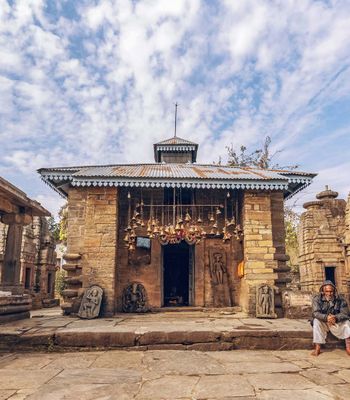
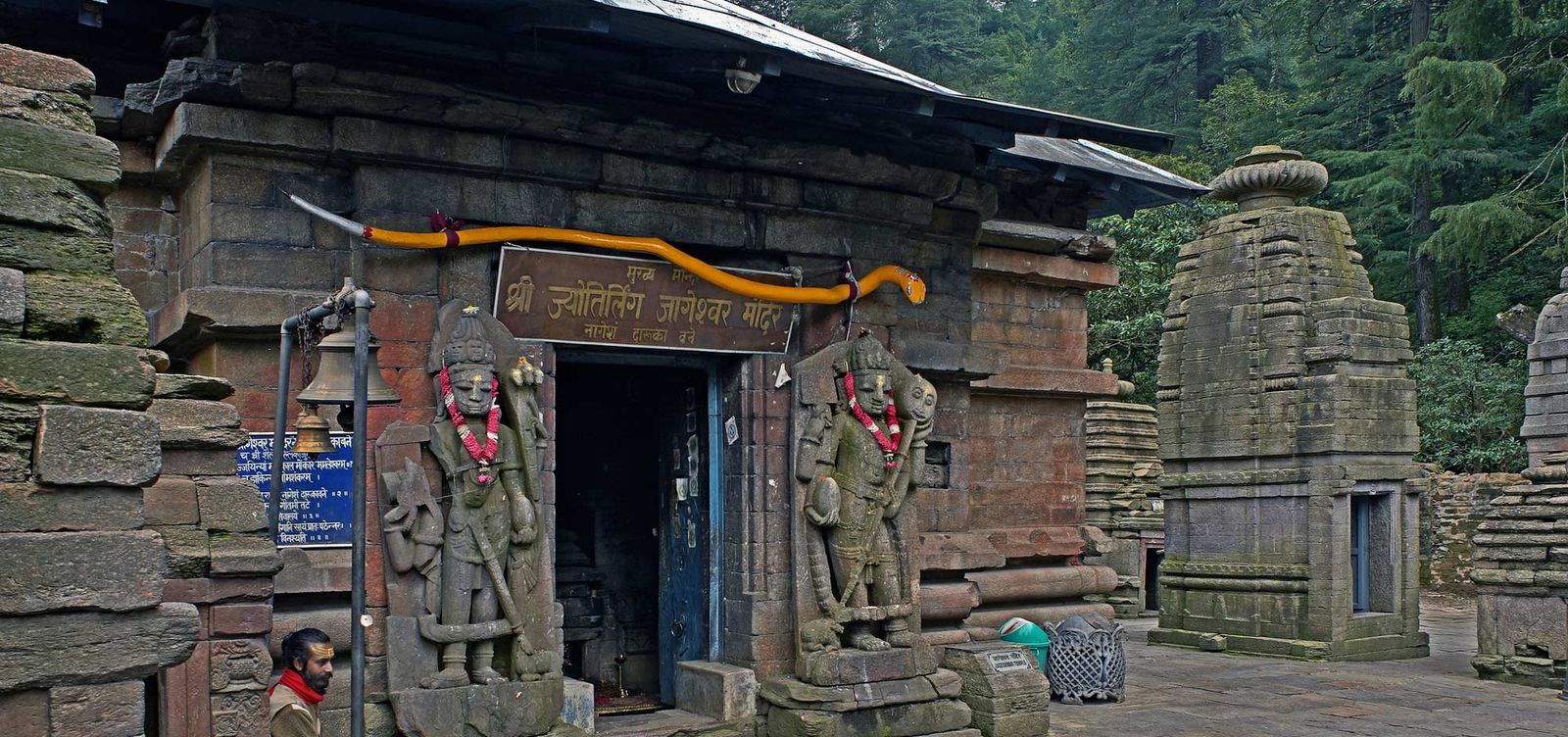
- Jageshwar — An ancient cluster of over 100 intricately carved stone temples nestled in a valley of towering deodar trees. The air here smells of damp earth and resin, and the stillness borders on reverent.
- Kasar Devi — This hilltop enclave and its namesake temple drew Swami Vivekananda and novelist D.H. Lawrence, among others, drawn by what many describe as an unmistakable creative and spiritual energy. Sit on the ridge at sunset, and you might understand why they stayed.
- Deer Park & forest trails — Perfect for families and unhurried walkers, these gentle paths meander through dappled woodland with enough scenic overlooks to fill a camera roll twice over.
Timing Your Visit Just Right
Spring — March through May — transforms the hillsides into a riot of crimson rhododendron blooms, and the temperatures are ideal for long, exploratory walks. It's Almora at its most photogenic.
Autumn steals the show in a different way. From September through November, the monsoon rains have scrubbed the air crystal-clear, and the mountain views sharpen to an almost surreal crispness. Every peak, every ridge line, every glacier feels etched against the sky.
Summer stays blissfully cool compared to the scorching plains below — reason enough to escape when Delhi and Lucknow become unbearable. Winter brings genuine cold and the occasional dusting of snow that drapes the deodar branches in white, turning the town into something out of a storybook.
The Quiet Magic of Staying a While
Here's what truly separates Almora from the crowded hill station circuit: nobody's in a rush. Commercial tourism hasn't steamrolled this place. There are no neon-lit malls, no traffic-choked promenades, no loudspeakers competing for your attention.
Instead, there are family-run guesthouses where your host brings you steaming cups of chai at sunrise. Home-cooked Kumaoni meals — smoky bhatt ki churkani made from black soybeans, crispy aloo ke gutke tossed with local spices — served on simple plates with enormous pride. Conversations on verandas that begin with directions to a trailhead and end, two hours later, with animated tales of regional folklore and half-forgotten festivals.
That's the thing about Almora. It doesn't dazzle you with spectacle or overwhelm you with options. It does something rarer and harder — it makes you feel like you belong. You descend from the ridge eventually, of course, back to the noise and the heat and the speed of everything. But a part of you stays up there, on that horseshoe-shaped ridge, watching the Himalayas turn to gold.