The first thing that hits you isn't the view — it's the scent. A cool, layered perfume of fresh tea leaves and eucalyptus that wraps around you like a welcome the moment you step off at Coonoor. Perched at roughly 6,000 feet in the Nilgiri Hills of Tamil Nadu, this quiet hill station — the second largest in the range — has been quietly stealing hearts for generations. While its busier neighbor Ooty buzzes with tourist energy, Coonoor hums at a gentler frequency, one that rewards the curious and the unhurried.
An Emerald Sea You Can Walk Through
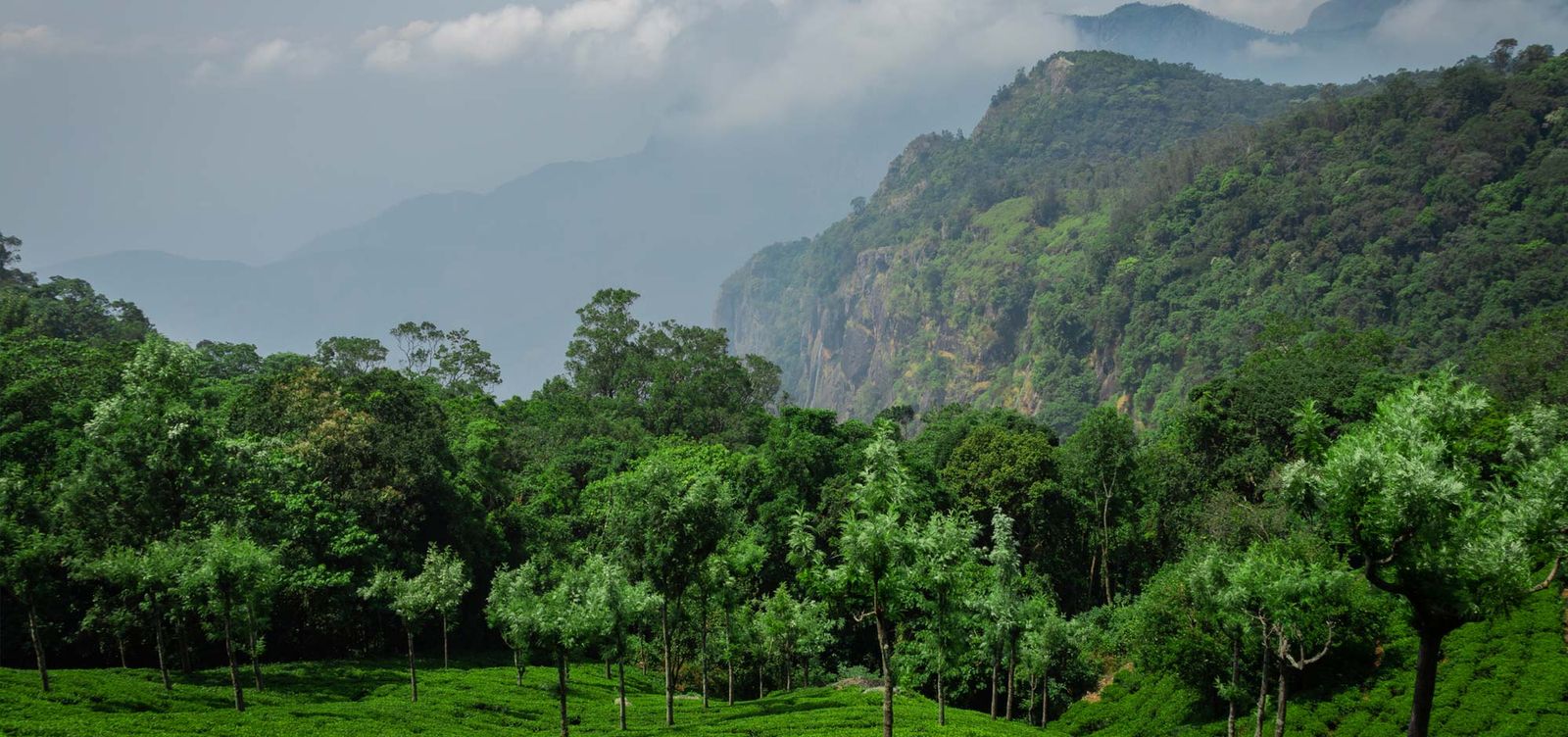
Row after perfect row of tea bushes blanket the hillsides, their luminous green so vivid it almost looks painted. These aren't mere postcard backdrops — they're the beating heart of Coonoor's economy, tended by hands that have passed down the craft for well over a century.
Wander into one of the working estates and watch women move deftly between the bushes, their fingers snapping the top two leaves and a bud with a rhythm that's almost musical. Several plantations welcome visitors for guided tours and tastings, where you'll trace the journey of a Nilgiri leaf from the misty hillside to the warm ceramic cup in your hands. Sip slowly — there's a buttery sweetness here you won't find anywhere else.
Where Every Trail Tells a Story
Beyond the tea gardens, Coonoor's landscape plunges into deep valleys, climbs through dense shola forests, and unravels along winding footpaths that beg to be followed. Sim's Park, a sprawling botanical garden lovingly maintained since the 19th century, shelters over a thousand plant species from around the globe. Spend an unhurried morning drifting beneath canopies of rare ferns, magnolias, and ornamental trees — the light filters green and gold, and the only sounds are birdsong and your own footsteps on damp earth.
For something that makes your stomach drop in the best possible way, head to Dolphin's Nose. This massive rock formation juts out over a sheer ravine like nature's own diving board. Stand at its edge and watch Catherine Falls tumble down the opposite hillside in ribbons of white. On a clear day, the plains of Coimbatore unfold far below, hazy and golden, stretching toward the horizon.
A Train Ride That Belongs in a Film
Few journeys in South India rival the Nilgiri Mountain Railway. This UNESCO World Heritage line — one of the steepest rack railways on the planet — threads its way between Mettupalayam and Ooty, with Coonoor as a glorious stop along the route.
The old blue-and-cream carriages creak and sway as the engine labors uphill through tunnels blasted from rock, across iron bridges suspended over gorges, and past thick curtains of shola forest dripping with moss. It's deliberately slow, and that's the whole point. Every curve reveals a new altitude, a new shade of green, a new reason to press your face against the window.
Colonial Echoes and Tamil Soul
Stroll through Coonoor's streets and you'll read its layered history in the architecture itself — stately British-era bungalows with sloping roofs and wide verandas sit alongside vibrant local structures, many now reimagined as heritage homestays where you can sleep in rooms thick with old-world charm.
Duck into the central market and your senses ignite: pyramids of fresh mangoes and guavas, slabs of homemade chocolate wrapped in foil, burlap sacks spilling over with cardamom, clove, and cinnamon. Vendors call out prices, bargain with a grin, and press samples into your palm before you can refuse. In the surrounding hills, the Toda people — one of the Nilgiris' indigenous communities — maintain their distinctive barrel-shaped huts and intricate embroidery traditions, adding a cultural richness that runs far deeper than the colonial veneer.
A Birdwatcher's Quiet Paradise
Dawn breaks softly here, and if you're on a forest trail by 6 a.m., you'll understand why birders speak of Coonoor with reverence. The woods harbor treasures like the Nilgiri flycatcher — a dusky blue jewel found nowhere else on Earth — along with the vivid Indian pitta and the elusive white-bellied shortwing.
Carry binoculars, wear muted colors, and move quietly. The reward is a flash of turquoise darting between branches, or a call so clear and liquid it stops you mid-step.
When to Go and What to Know
October through March delivers Coonoor at its most inviting — cool, crisp air and skies that stay obligingly clear. The monsoon months of June through September drench the hills in a green so intense it borders on surreal, though some trails and viewpoints can become tricky to access. Even during April and May, when the plains below simmer in relentless heat, Coonoor's elevation keeps the mercury comfortably tame.
Use the town as a launchpad for the wider Nilgiris: day trips to Ooty, the quieter charms of Kotagiri, and visits to surrounding tribal villages are all within easy reach.
The Kind of Place That Stays With You
Some destinations shout for your attention. Coonoor doesn't. It earns it — quietly, completely. Maybe it's the morning mist parting to reveal a valley so green it aches. Maybe it's the warmth of a freshly brewed cup of Nilgiri tea on a silent veranda, steam curling into cool mountain air. Or maybe it's simply the rare luxury of stillness, the feeling that time here moves at exactly the pace it should.
However it happens, Coonoor slips under your skin. And long after you've descended back to the plains, you'll catch a whiff of eucalyptus or the earthy sweetness of tea, and something in you will want to go back.