The scent hits you before the city fully registers — jasmine garlands draped over wooden carts, filter coffee bubbling through metal percolators, and the warm earthiness of freshly ground spices drifting from open shopfronts. Coimbatore, or Kovai as the locals affectionately call it, doesn't announce itself with fanfare. It seduces you slowly, one sensory detail at a time, until you realize you've fallen for a city you almost skipped entirely.
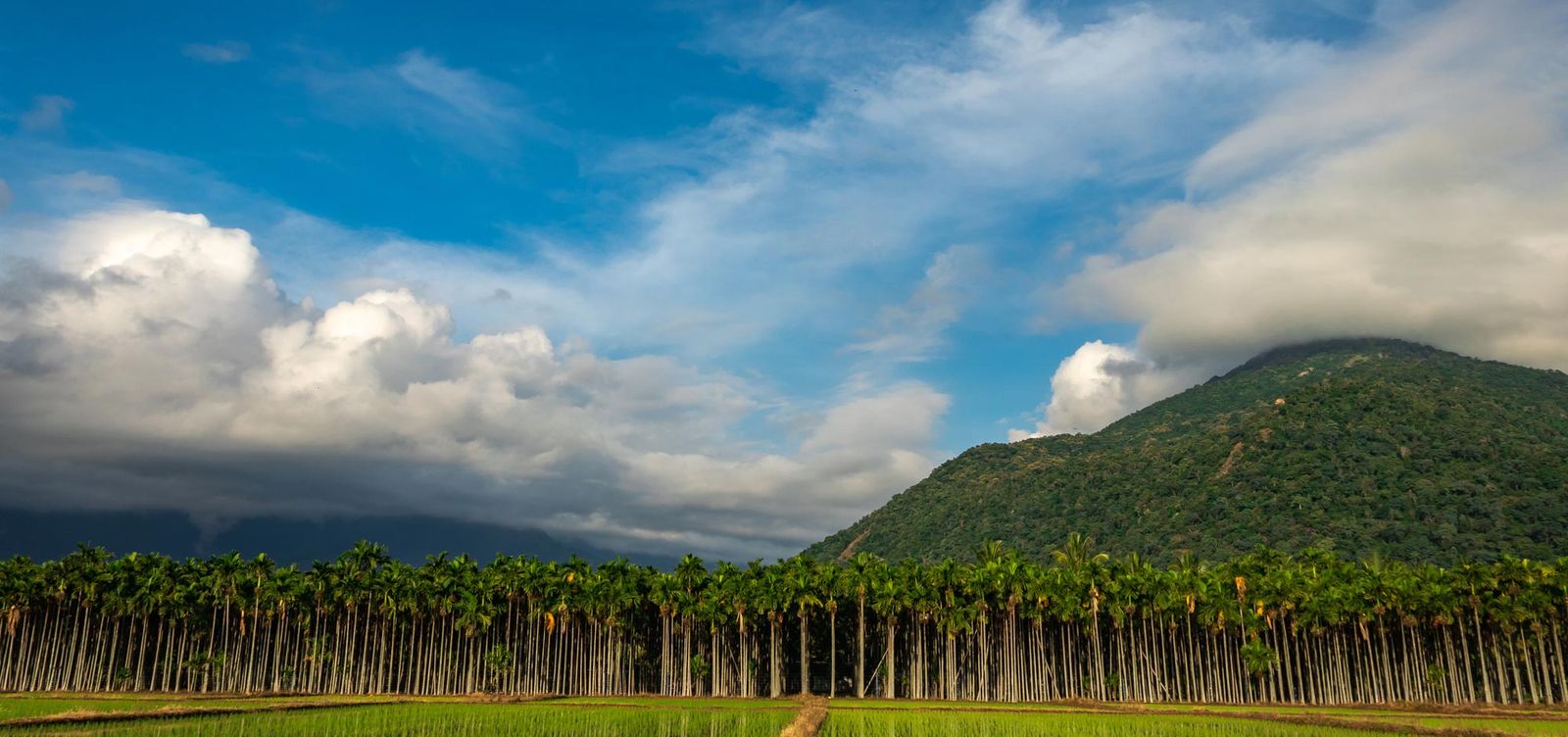
Sitting at the western edge of Tamil Nadu, where fertile plains meet the dramatic green ramparts of the Western Ghats, Coimbatore occupies a landscape that feels almost cinematic. Rugged ridgelines frame the horizon in every direction. Industry and nature don't compete here — they coexist in a rhythm that's distinctly, beautifully South Indian.
A City That Hums Without Hurrying
Textile mills whir, engineering workshops clatter, and IT parks glow behind glass facades — yet somehow, Coimbatore never feels rushed. Wide, well-maintained roads connect sleek modern shopping complexes to generations-old bazaars where time moves at its own pace.
Lose yourself in the busy lanes near Oppanakara Street or Town Hall, where vendors stack fresh produce, fiery red chillies, and marigolds in vibrant, gravity-defying heaps. Bargain for a bag of whole cardamom. Watch a flower seller thread jasmine buds into garlands with hypnotic speed. This is Coimbatore at its most everyday — and its most magnetic.
Temples That Breathe With Life
Worship here isn't a quiet, solitary affair. Coimbatore's temples pulse with community energy — drum beats rolling through stone corridors, oil lamps flickering across carved granite, families gathering for rituals that have unfolded the same way for centuries.
Climb the hillside steps of the Marudamalai Murugan Temple on the city's outskirts, and the reward isn't only spiritual. At the top, the entire Coimbatore plain stretches beneath you, a patchwork of green and terracotta under an enormous sky. Your legs may burn, but the panorama makes every step worthwhile.
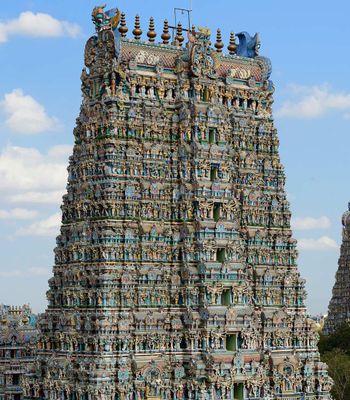
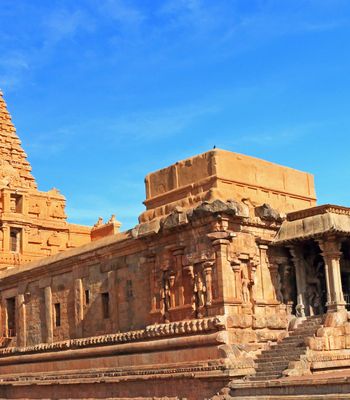
Equally captivating is the Perur Pateeshwarar Temple, where centuries of Dravidian craftsmanship reveal themselves in every sculpted pillar and ornate gopuram. Run your fingers along the cool stone carvings and you're touching the same surfaces that devotees have revered for hundreds of years. These aren't museum pieces — they're living, breathing centers of Tamil culture.
Where the Mountains Call
Thirty-five kilometers from the city center, a forest road unspools through dense canopy toward the Siruvani Reservoir. Roll your windows down. The air turns cooler, thicker with moisture, alive with birdcall. Siruvani's water is legendary — locals will tell you with genuine pride that it ranks among the sweetest-tasting drinking water in all of India. One sip, and you'll understand why they boast.
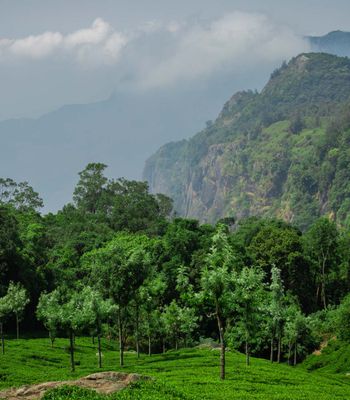
But Coimbatore's greatest geographical gift might be its proximity to some of South India's most stunning hill stations. From here, winding mountain roads — the kind that reveal a new postcard view around every hairpin turn — lead to:
- Ooty (Udhagamandalam) — colonial-era charm draped in eucalyptus mist
- Coonoor — rolling tea gardens and quieter trails
- Valparai — remote coffee estates wrapped in cloud forest
- Topslip — wild elephants and teak forests at the edge of Anamalai
Each destination sits just a few hours away by road, through landscapes that shift from tea plantations to misty valleys to dense, ancient shola forests. Whether you crave the bustle of Ooty's markets or the solitude of Valparai's mist-soaked mornings, Coimbatore puts you at the doorstep of remarkable natural beauty.
Stillness at the Foothills
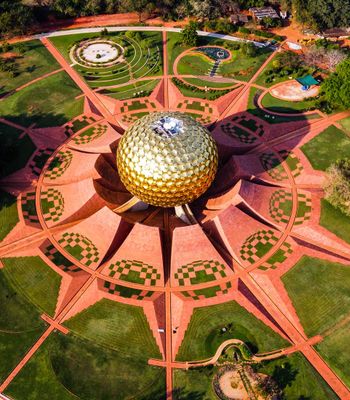
Against the backdrop of the Velliangiri Mountains, the Isha Yoga Center rises like something from another world entirely. The striking Dhyanalinga dome radiates a quiet magnetism, while the towering 112-foot Adiyogi statue — the world's largest bust sculpture — commands a reverence that transcends any particular spiritual tradition.
You don't need a meditation practice to feel something shift inside you here. The grounds alone, with their clean lines, open spaces, and mountain-cooled air, offer a kind of stillness that's increasingly rare. Travelers from across the globe come seeking peace — and most of them find it.
Eat Like a Local, Leave Absolutely Full
Morning in Coimbatore starts with a non-negotiable ritual: a paper-thin dosa, shatteringly crisp at the edges, served alongside coconut chutney and a steel tumbler of filter coffee so strong and aromatic it could wake the Western Ghats themselves. Find a no-frills local restaurant, grab a steel plate, and dig in.
Kongunadu cuisine — native to this region — doesn't hold back on flavor. Kola urundai (spiced meatballs) pack serious heat. Arachuvitta sambar, thickened with freshly ground peanuts and coconut, tastes like nothing you've had before. Erode-style biryani brings its own fragrant, peppery personality to the table. Seek out the street food stalls and family-run eateries where recipes have been handed down through generations — meals here are astonishingly satisfying and remarkably affordable.
When to Go and How to Get There
October through February delivers the sweetest weather — cool mornings that beg for a hot coffee and pleasant evenings perfect for temple visits or evening strolls. Summer months bring warmth, though Coimbatore's elevation and proximity to the Ghats keep things milder than much of Tamil Nadu. Come June, the monsoon paints the surrounding countryside an electric green that photographers dream about.
A well-connected airport handles domestic and select international flights. Efficient rail links tie the city to Chennai, Bangalore, and beyond. And the local population? Genuinely, disarmingly welcoming — the kind of warmth that makes you feel less like a tourist and more like a guest.
The City That Sneaks Up on You
Most travelers arrive in Coimbatore expecting a layover, a quick pit stop before the hills. Many leave with something unexpected — real affection for the city itself. Its cultural depth runs quiet but deep. Its food lingers on your palate for days. Its position at the feet of the Western Ghats means adventure is never more than a short drive away.
Don't just pass through Kovai. Stay a while. Let it surprise you. What begins as a starting point has a way of becoming the highlight of your entire South Indian journey.