The temple bells hadn't stopped ringing since dawn. Somewhere between the crush of devotees, the heady sweetness of jasmine garlands, and a steel tumbler of scalding filter coffee, Madurai had already gotten under my skin — and I'd only been there an hour.
This is no ordinary Indian city. With a history stretching back more than two thousand years, Madurai is one of the oldest continuously inhabited cities on Earth, a place where Tamil culture doesn't just survive but thrives with fierce, unapologetic vitality. Built along the banks of the Vaigai River, the "Temple City of India" rewards travelers who crave something raw and real — the kind of place that grabs you by the senses and refuses to let go.
The Temple That Breathes Life Into a City
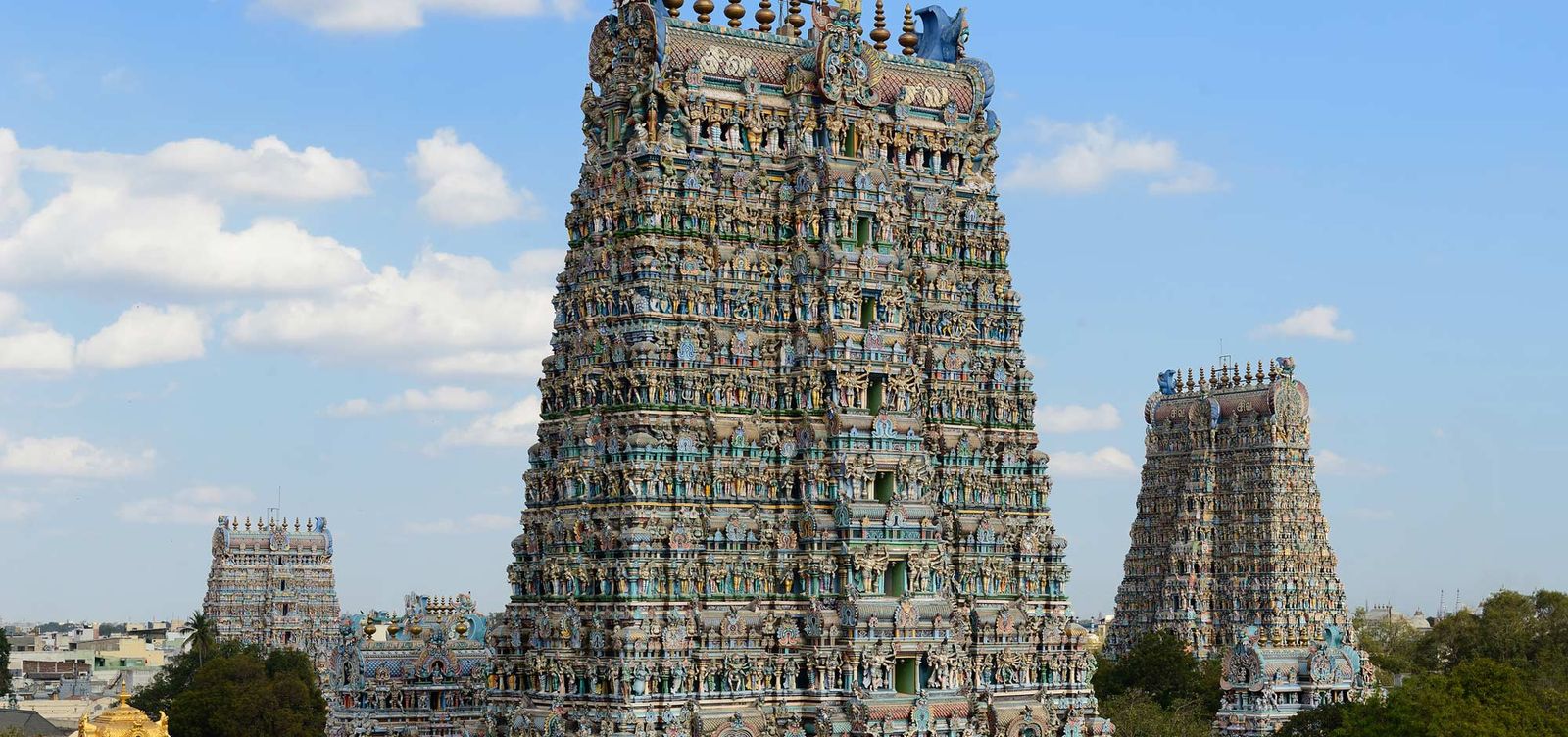
Everything in Madurai orbits the Meenakshi Amman Temple, and once you see it, you'll understand why. Fourteen towering gopurams erupt from the complex like technicolor mountains, every inch encrusted with thousands of hand-painted sculptures — gods mid-dance, mythical creatures frozen in flight, celestial figures stacked toward the sky in dizzying layers.
Step through the gates and the energy shifts instantly. You're no longer a spectator; you're part of the current — swept along with devotees, pilgrims, and wide-eyed travelers flowing through ornate corridors and vast pillared halls where voices echo off ancient stone. Incense smoke curls through shafts of light. Bare feet slap cool granite floors. Tens of thousands of people pass through these halls every single day, yet somehow the space feels both monumental and deeply intimate.
This isn't a museum piece behind velvet ropes. It's the beating heart of a living city.
Streets That Taste as Good as They Sound
Spill out from the temple gates and Madurai's streets engulf you in a glorious sensory riot. Vendors sit cross-legged behind mountains of jasmine blossoms so fragrant the air feels almost edible. Brass lamps catch the sunlight from cluttered shopfronts. Bolts of handwoven silk in jewel tones hang like curtains over narrow doorways.
But it's the food that will truly stop you in your tracks. From early morning, the sizzle of dosa batter hitting hot griddles and the nutty aroma of freshly brewed filter coffee drift from tiny eateries where locals hunch over steel plates piled with rice and sambar. Pull up a stool and eat with your hands — it tastes better that way, trust me.
And whatever you do, don't leave without trying Jigarthanda. This legendary Madurai cold drink — a creamy, impossibly refreshing blend of milk, almond gum, sarsaparilla syrup, and ice cream — is the city's unofficial currency of happiness. After hours of walking in the southern heat, a tall glass of Jigarthanda feels less like a beverage and more like a small miracle.
When the Heat Breaks and the City Glows
Madurai sits on the flat, sun-baked plains of southern Tamil Nadu, and it embraces its tropical identity without apology. Summers here are fierce — the kind of heat that turns a ten-minute walk into an endurance test.
Smart travelers time their visit between October and March, when temperatures ease up and evenings carry a gentle warmth perfect for wandering the riverbanks, lingering in open-air markets, or watching the city light up at dusk. During these cooler months, even the parks along the Vaigai feel like an invitation to slow down and stay awhile.
Where Centuries Stack Like Temple Stones
History doesn't hide in Madurai — it stands in plain sight, demanding your attention. Beyond the Meenakshi Temple, the city is scattered with landmarks that trace a dramatic arc through time:
- Thirumalai Nayakkar Palace — A 17th-century Indo-Saracenic masterpiece whose massive pillars soar above a courtyard so grand it makes you instinctively hold your breath. The scale alone tells the story of a dynasty that built to impress eternity.
- Gandhi Memorial Museum — Housed in a historic palace, this deeply moving collection chronicles India's independence movement through rare photographs and artifacts, including the blood-stained cloth Mahatma Gandhi wore when he was assassinated.
- Vandiyur Mariamman Teppakulam — A vast temple tank that transforms each January during the spectacular float festival, when illuminated deities glide across the water on decorated rafts while crowds cheer from the stone steps.
- Alagar Kovil — Escape the city's density for this hilltop temple on the outskirts, where lush greenery and panoramic views offer a peaceful counterpoint to Madurai's urban intensity.
A Nightly Ritual That Echoes Through Centuries
Of all the moments Madurai offers, one stands apart. Each evening at the Meenakshi Amman Temple, priests lift the deity of Lord Sundareshwar onto a palanquin and carry him in procession to the shrine of his consort, the goddess Meenakshi — a nightly reunion of the divine couple, accompanied by chanting, music, and the persistent, hypnotic ringing of brass bells.
Hundreds gather to watch, pressing close in the lamplight. Yet despite the crowd, a hush falls over the corridor when the procession passes. Something shifts in the air — reverence, perhaps, or the sheer weight of a tradition that has repeated, unbroken, for centuries. Even skeptics tend to leave a little quieter than they arrived.
Finding Your Way Around
Navigating Madurai is refreshingly simple. A well-connected railway station links the city to destinations across India, and Madurai Airport handles domestic flights to major cities. Inside the city, auto-rickshaws zip between neighborhoods for a handful of rupees — just agree on the fare before climbing in.
Honestly, though? Walk. Most of the key landmarks cluster near the temple, and the best discoveries — a hidden tea stall, a street musician, a centuries-old doorway you'd never spot from a rickshaw — come on foot.
A City That Follows You Home
Madurai doesn't seduce you with polished luxury or curated Instagram backdrops. It overwhelms you with life — ancient rituals unfolding alongside everyday commerce, temple bells tangling with traffic horns, a single street revealing layers of history that span millennia.
Whether you spend two days or stretch it into a week, this city leaves something behind — a smell, a sound, a flash of painted color — that surfaces unexpectedly long after you've gone. Some places you visit. Madurai is the kind of place that visits you right back.