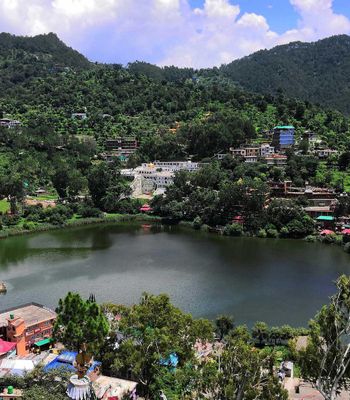
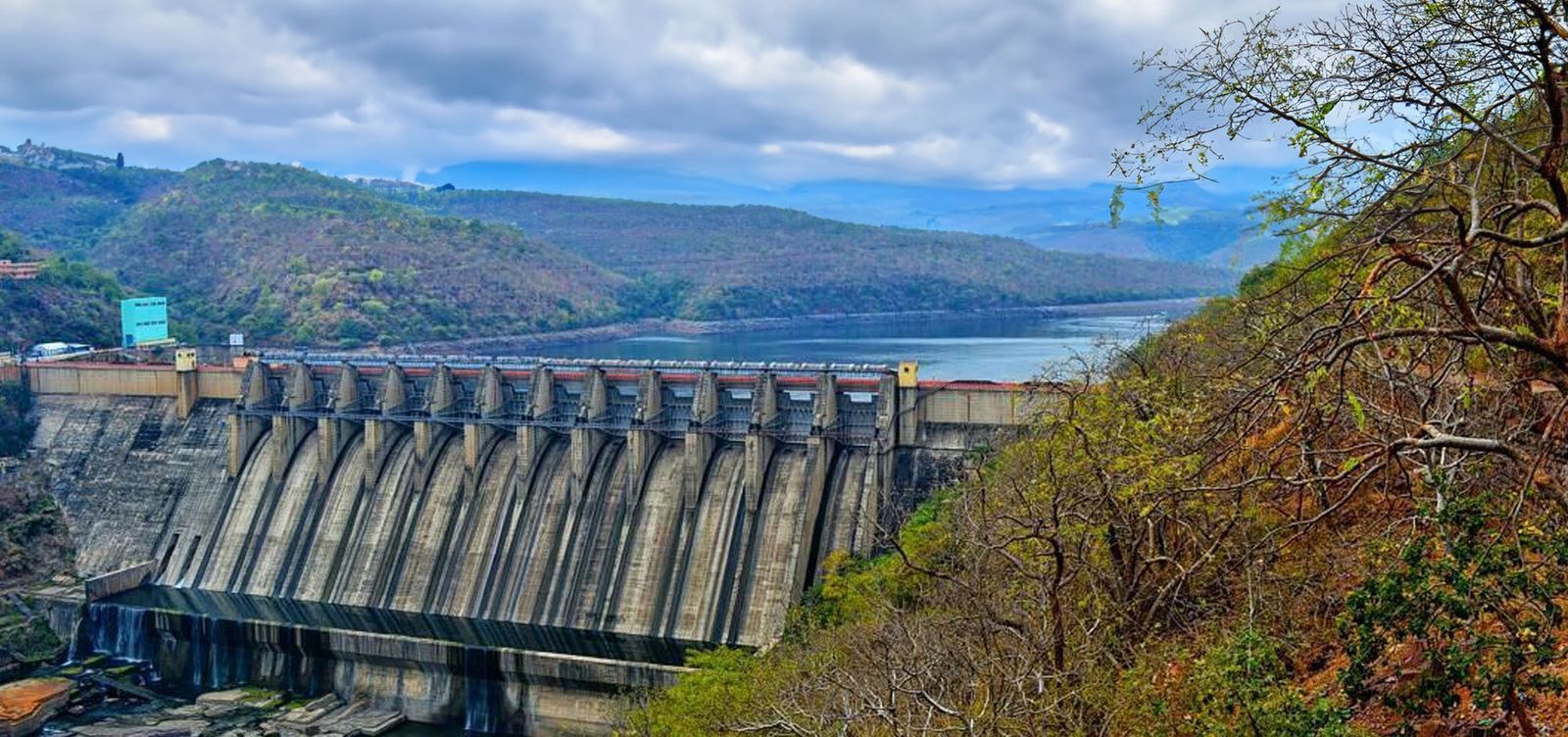
Pong Dam, spanning the Beas River in Kangra district of Himachal Pradesh, is one of the highest earth-fill dams in India, and the reservoir behind it — Maharana Pratap Sagar — stretches across more than 260 square kilometers like a freshwater sea tucked into the foothills. Completed in 1974 for hydroelectric power, flood control, and irrigation, this colossal structure has quietly reinvented itself. Its surrounding wetlands now hold Ramsar site status, drawing over 100,000 migratory birds each winter from as far as Siberia and Central Asia. Whether you live for birdwatching, chase golden-hour photographs, or simply crave a waterside stillness that most of Himachal's famous hill stations can't offer, Pong Dam is a reason to slow down, pull over, and stay a few days.
How a River Became an Inland Sea
Work began in 1961 under the Beas Project — a joint effort between Punjab, Haryana, Rajasthan, and Himachal Pradesh — at a narrow gorge near the town of Pong, where engineers saw the perfect natural funnel for the Beas River's seasonal fury. Thirteen years of labor later, the dam rose to approximately 133 meters, making it one of the tallest earth-fill dams in the country.
Three jobs defined its original purpose: generating hydroelectric power through a 396-megawatt capacity station, channeling irrigation water to Rajasthan's arid plains and parts of Punjab via an extensive canal network, and shielding downstream communities from monsoon floods. But nature, as it often does, had grander plans for the reservoir left behind.
A Lake That Breathes With the Seasons
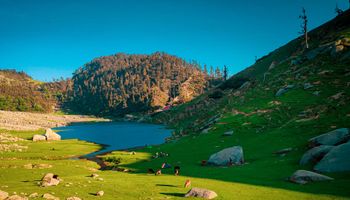
Named after the legendary Rajput warrior king, Maharana Pratap Sagar is never the same lake twice. Monsoon rains gorge it to capacity — water swallows low-lying fields and creeps up the valley walls until the entire basin shimmers like hammered steel under overcast skies. Then winter arrives, and the lake exhales. Waterlines retreat, exposing mudflats slick with silt and shallow marshes buzzing with insect life — a banquet table laid out for thousands of incoming birds.
Climb any ridge along the surrounding Shivalik hills and the scale hits you in the chest. On clear mornings, the snow-dusted Dhauladhar range frames the far shore, and mist peels off the surface in slow, ghostly ribbons, revealing pine-dark hillsides underneath. If you carry a camera, be at the water's edge before sunrise. That first hour of light — pink, then gold, then blazing white — is worth every shiver.
Wings Over the Wetland: A Birdwatcher's Pilgrimage
There's a reason the Indian government declared this area the Pong Dam Lake Wildlife Sanctuary in 1983, and an even bigger reason it earned Ramsar Wetland of International Importance status in 2002. Every winter, more than 100,000 migratory birds — representing over 220 species — descend on these shores in one of northern India's most staggering avian spectacles.
Who Flies In?
Bar-headed geese steal the show, arriving in enormous, honking skeins from breeding grounds in Central Asia. Red-crested pochards bob on the open water, their copper heads catching the light, while northern pintails, common coots, and several species of cormorants crowd the shallows. Keep your scope trained on the treetops and you might spot the endangered Pallas's fish eagle — a sighting that will make any serious birder's hands tremble. Osprey and marsh harriers patrol the shoreline with predatory precision throughout the colder months.
November through March is the window you want. As the waterline drops, exposed mudflats become a living carpet of waders and shorebirds, their collective murmur audible from hundreds of meters away. Bring binoculars and a spotting scope — many species feed well beyond the accessible paths. Hiring a local guide who knows the sanctuary's contours can mean the difference between a pleasant walk and a once-in-a-lifetime morning.
Beyond the Binoculars: Adventures on Land and Water
Birdwatching may be the headliner, but Pong Dam doesn't ask you to sit still all day. Anglers can obtain permits to fish the reservoir for mahaseer, common carp, and silver carp — the fishing season typically runs October through June, though you should confirm current regulations with the local wildlife office before casting. There's something deeply meditative about dropping a line into water this vast, with nothing but birdsong and breeze for company.
The state tourism department occasionally operates boat rides across the lake, letting you see the dam wall and forested hillsides from an entirely different angle — low on the water, where the sky seems twice as wide. Availability shifts with the season, so check ahead.
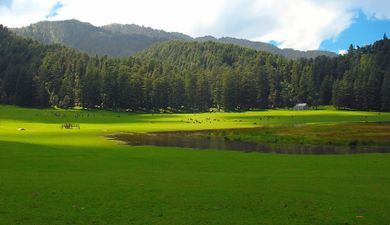
Hikers will find the Shivalik foothills laced with trails that wind through mixed forests of pine, bamboo, and sun-dappled scrub. Sambar deer freeze mid-step between the trees, wild boar rustle through the undergrowth, barking deer flash white rumps as they bolt, and langur monkeys watch you pass with unblinking curiosity from the canopy. The terrain is moderately challenging — rewarding enough to feel like an adventure, gentle enough for families.
Your Practical Playbook
Getting There
Pong Dam sits roughly 50 kilometers from Kangra and about 65 kilometers from Dharamshala. Pathankot, the nearest railway station (approximately 100 kilometers away), connects to Delhi, Amritsar, and Jammu. From Pathankot or Kangra, hire a taxi or hop on a local bus. Don't rush the drive — the road unspools through terraced fields, mustard-yellow in season, with the Shivaliks rising green and hazy ahead.
When to Go
Your timing depends on what moves you. Birdwatchers should aim for November through March, when migratory flocks peak. Landscape lovers will swoon over September and October, when post-monsoon greenery is at its most electric and the reservoir brims to its edges. Summer — April through June — brings warmth but also welcome solitude, with fewer visitors and soft evening light that lingers late.
Where to Rest Your Head
Accommodation is modest but perfectly comfortable. The Himachal Pradesh Tourism Development Corporation runs guesthouses near the reservoir, including properties at Nagrota Surian and along the lake's western edge. A handful of private homestays in surrounding villages offer a more intimate, home-cooked experience. For a broader range of hotels and restaurants, base yourself in Kangra or Dharamshala and make the scenic day trip out.
Entry and Fees
A modest entry fee applies for the Pong Dam Lake Wildlife Sanctuary, with separate charges possible for vehicles, cameras, and fishing permits. Fees can change, so verify the latest at the local forest office or tourism center before you arrive. Viewing the dam structure itself from publicly accessible areas costs nothing — just show up and take it in.
Leave Only Footprints, Take Only Photographs
This is a protected wetland, and every visitor plays a part in keeping it alive. Stay on designated paths, give nesting birds a wide berth, and carry out every wrapper and bottle you bring in. Loud music and off-road vehicles are prohibited within sanctuary boundaries — and honestly, once you hear the chorus of ten thousand wings lifting off the water at dawn, you won't want any other soundtrack.
Pong Dam doesn't shout for attention the way Shimla or Manali does. It waits — wide, reflective, alive with feathered travelers from half a world away. For those willing to venture off Himachal's well-worn tourist circuits, this reservoir rewards curiosity with landscapes that shift, shimmer, and stay with you long after you've driven home.