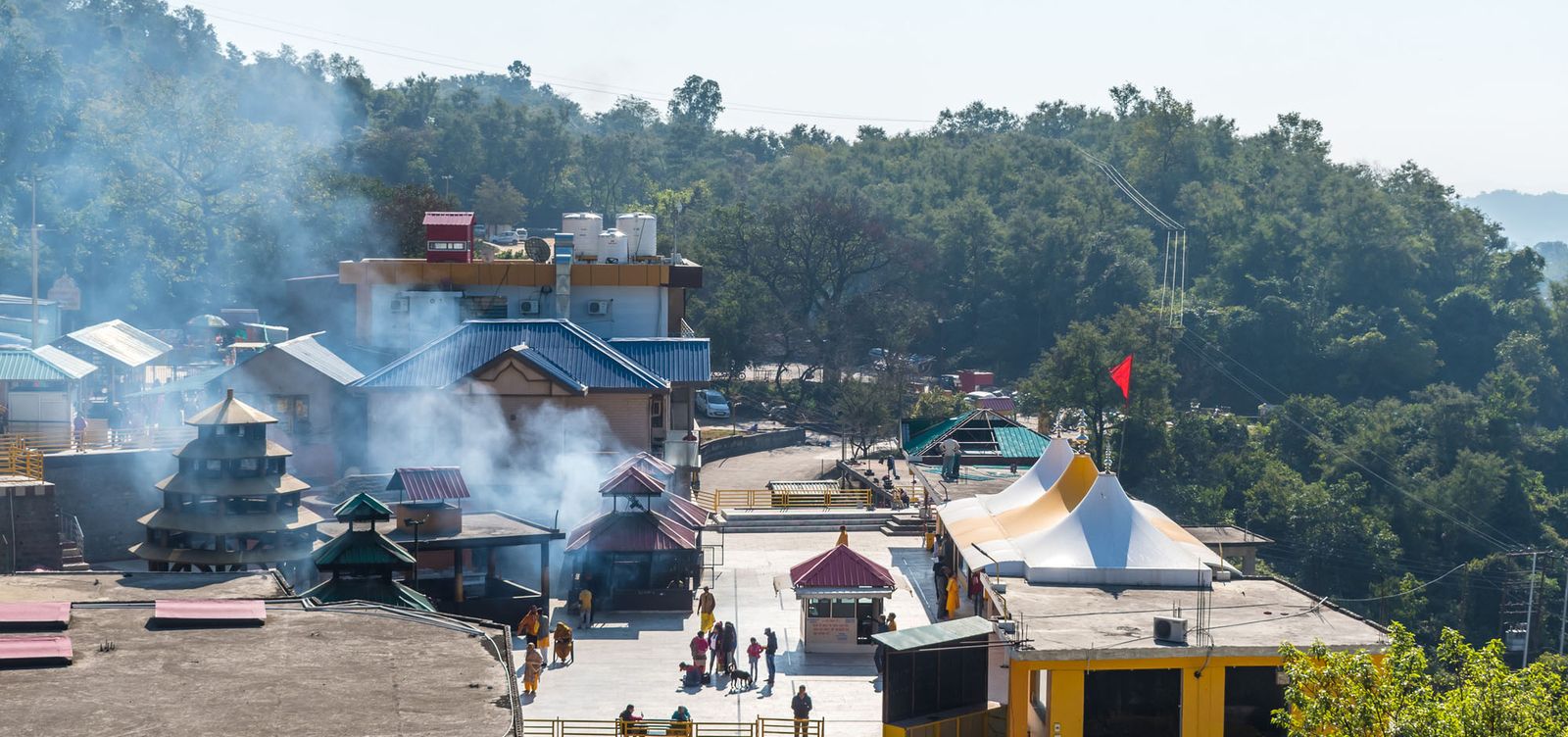
The first thing that hits you isn't the sight of the temple — it's the scent. Turmeric, marigolds, and burning incense swirl together in the mountain air as you approach the Baglamukhi Mata Temple in Kangra, Himachal Pradesh. Dedicated to Goddess Baglamukhi — one of the ten powerful Mahavidyas in Hindu tradition — this striking yellow-drenched shrine pulses with an energy that's hard to find at the region's bigger, busier pilgrimage sites. Here, ancient tantric rituals aren't behind glass or roped off for tourists. They're alive, happening right in front of you, every single day. Tucked into the green folds of the Kangra Valley, this temple offers something rare: a deeply intimate spiritual experience woven with legend, color, and architectural grace that makes it unforgettable whether you've come for devotion or sheer curiosity.
The Goddess Who Silences the Storm
Among the ten Mahavidyas — tantric goddesses embodying different faces of the Divine Mother — Goddess Baglamukhi stands apart. Known as "Pitambara Devi" for her radiant association with the color yellow, she is believed to hold the extraordinary power to paralyze enemies and still the tongue of anyone who speaks with malice.
Devotees flock to her not just for protection against adversaries and legal battles, but for something subtler — wisdom, clarity, and mastery over one's own speech and thoughts. That dual nature, fierce protector and quiet guide, gives this goddess a magnetic pull you can feel the moment you step onto the temple grounds.
Priests here perform specific havans — fire ceremonies rooted in tantric tradition — their chanting rising and falling in hypnotic rhythms while smoke curls toward the Himalayan sky. If the Mahavidya tradition is new to you, consider this temple your doorway into one of Hinduism's most powerful and least understood spiritual paths.
Centuries of Devotion Carved into the Hills
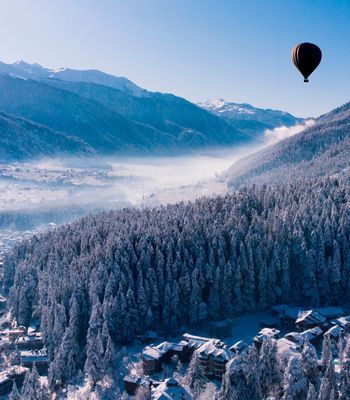
The Kangra Valley has been one of North India's most spiritually charged landscapes for centuries — a place where sacred sites seem to emerge from the earth itself. The Baglamukhi Mata Temple was established here after devotees recognized a concentrated spiritual energy in this precise location, a pull that drew worshippers long before the shrine's walls were ever built.
Through the rise and fall of Hindu dynasties, Mughal invasions, and the slow creep of British colonial rule, this temple endured. Local rulers and devoted patrons poured resources into its upkeep, rebuilding after earthquakes and political upheaval alike. While it may not claim the ancient origins of some neighboring shrines, its cultural significance has only deepened over time — particularly among followers of tantric worship across Northern India who regard it as an essential pilgrimage.
A Temple Dipped in Gold
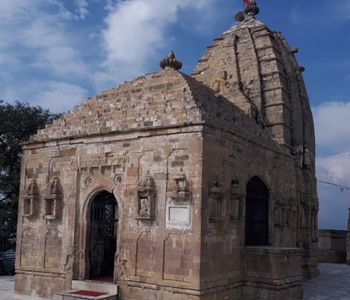
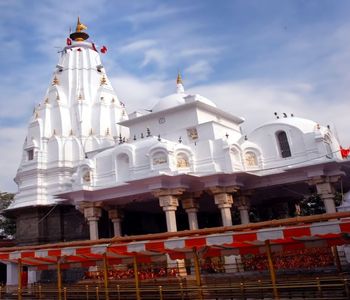
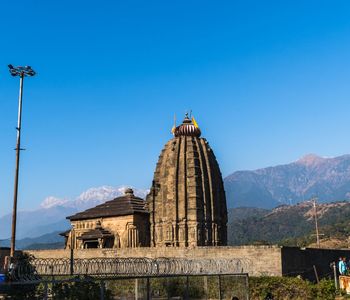
Don't expect towering gopurams or sprawling courtyards. The Baglamukhi Mata Temple greets you with something more personal — a modest facade adorned with carved details and vibrant paintwork that whispers of the visual feast waiting inside.
Cross the threshold, and yellow swallows you whole. The walls glow with it. Fabrics shimmer in it. Heaps of marigolds, mounds of turmeric, and trays of golden sweets sit at the goddess's feet — every offering echoing the same sacred hue. This isn't decoration for decoration's sake. Yellow is the color of Pitambara, "the one who wears yellow garments," and devotees often arrive dressed head to toe in saffron and gold, carrying yellow flowers clutched in reverent hands.
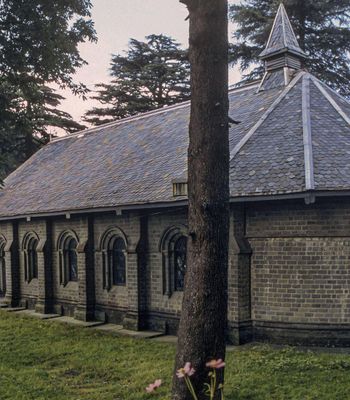
In the sanctum, the idol of Goddess Baglamukhi commands the room. Draped in golden fabric and heavy with garlands, her image radiates a presence that tightens something in your chest — part awe, part stillness. Smaller idols and tantric symbols surround the main shrine, each one adding another layer of meaning for those who know where to look. Architecture lovers will appreciate the sloped rooflines, a signature of Kangra Valley temples, engineered to shed monsoon rain and the occasional dusting of Himalayan snow.
When the Bells Ring and the Incense Rises
Arrive during morning or evening aarti, and the temple transforms into a symphony of sound and fragrance. Brass bells clang in overlapping rhythms while priests chant mantras that have echoed through these walls for generations. Thick clouds of incense hang in the air, catching the light that filters through the doorway.
Beyond the daily ceremonies, priests perform personalized pujas for devotees seeking the goddess's intervention — whether it's a looming court case, a crucial exam, or protection from someone who means harm. There's a raw, honest urgency to these rituals that you won't find in more tourist-polished temples.
Navratri, the nine-night festival honoring the Divine Mother, turns the temple into something extraordinary. Elaborate decorations drape every surface, prayer sessions stretch deep into the night, and pilgrims pour in from across Himachal Pradesh and neighboring states. Tuesdays and Saturdays also draw larger crowds, as these days are considered especially auspicious for Baglamukhi worship. For a more contemplative visit, slip in on a weekday morning outside festival season — you'll practically have the golden sanctum to yourself.
Everything You Need to Know Before You Go
Getting There Without the Guesswork
Nestled in Himachal Pradesh's Kangra district, the temple sits a short taxi or auto-rickshaw ride from Kangra town. Coming from Dharamshala? The 20-kilometer journey takes just 30 to 45 minutes by cab or local bus — an easy morning excursion. Gaggal Airport in Kangra handles regional flights, while Pathankot is the nearest major railway station. From either point, regular road transport connects you straight to the temple's doorstep.
Hours, Etiquette, and What to Expect
Doors open early in the morning and close by evening, with dedicated windows for morning and evening aartis. No entry fee is charged, though donations help sustain the temple's daily operations and upkeep. Since this is a living, breathing place of worship, dress modestly, slip off your shoes before entering the shrine, and check with temple authorities before pulling out your camera — photography rules can change.
When the Valley Is at Its Best
March through June delivers warm days, clear Himalayan skies, and perfect conditions for exploring. Monsoon season (July to September) drenches the roads but paints the valley an almost impossibly vivid green — stunning if you don't mind navigating wet mountain curves. October through February brings crisp, cool air that feels refreshing against your skin after a temple visit, though winter mornings bite hard. Pack warm layers and you'll be rewarded with thinner crowds and a quiet, contemplative atmosphere.
While You're Here: The Kangra Valley's Greatest Hits
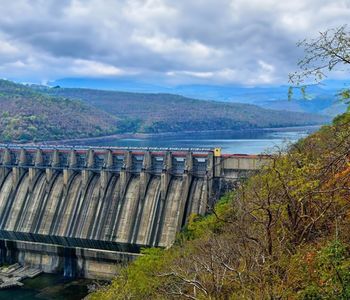
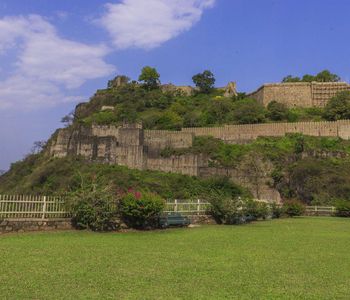
One of India's oldest and largest forts rises just a short drive away — Kangra Fort, where crumbling ramparts frame panoramic views that stretch across the entire valley. Wander its weathered corridors and you're walking through centuries of siege, conquest, and resilience. Equally magnetic is the Bajreshwari Devi Temple in Kangra town, another revered Hindu shrine humming with devotion. And if you need a breath of stillness after all that history, Maharana Pratap Sagar Lake awaits — a glassy expanse where migratory birds skim the water and the only sound is wind through the reeds.
Together, these sites weave a full day of cultural and natural discovery that deepens everything you experience at the Baglamukhi Mata Temple.
Long after you've left the temple grounds, the memory stays — the blaze of yellow against stone walls, the resonance of bells still ringing somewhere in your chest, the sharp sweetness of turmeric clinging to your fingertips. The Baglamukhi Mata Temple doesn't just reward visitors with a sightseeing stop. It offers an encounter with a living tradition that's fierce, beautiful, and utterly unlike anything else in the Kangra Valley. Whether you come seeking blessings or simply want to understand this extraordinary corner of Hindu worship, you'll carry something of it home with you.