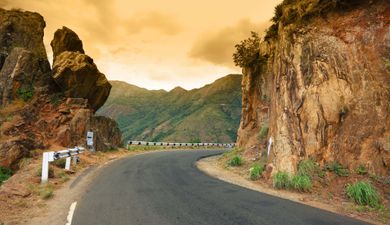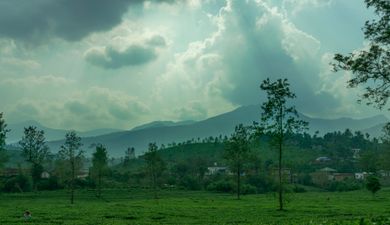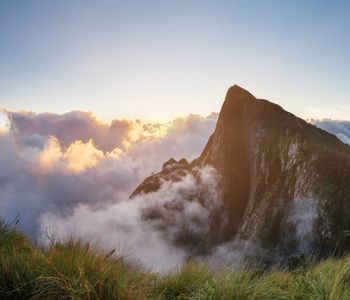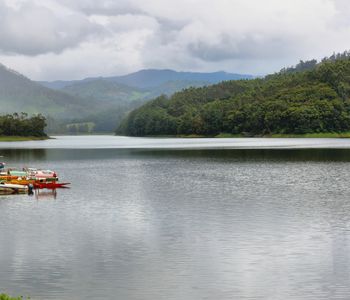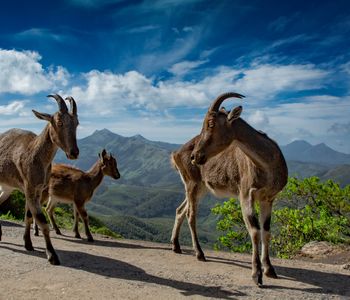
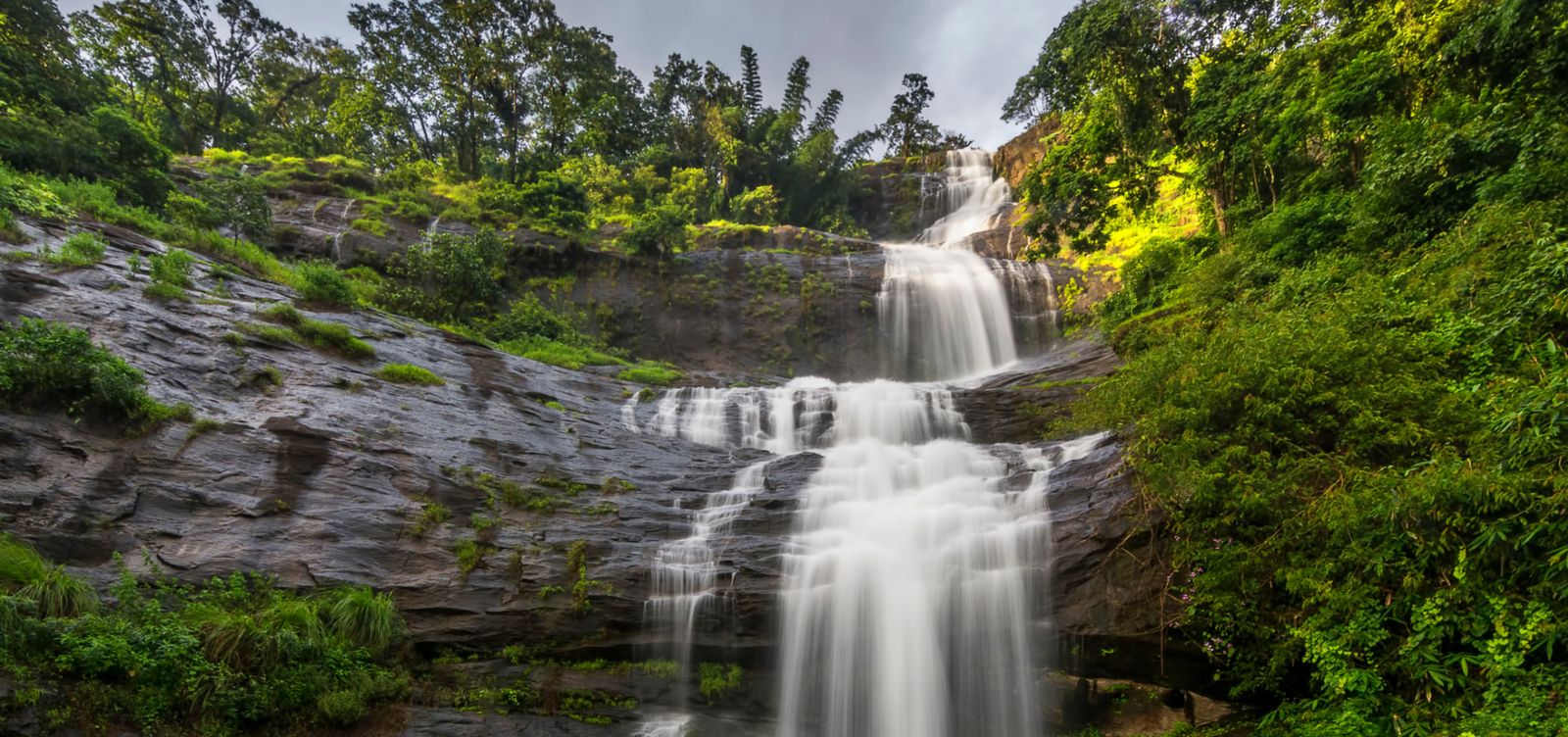
Between the fifth and sixth hairpin bends on the road from Munnar to Pallivasal, the tea plantations simply stop. The road pinches tight, the hillside splits open, and a column of white water hammers down through a rocky gorge with enough force to vibrate in your sternum before your eyes even find it. This is Attukad Waterfalls. It doesn't ease you in. During monsoon, the cascade swells into something almost hostile — a churning, single-minded torrent that throws mist clear across the tarmac and glazes the windshields of passing jeeps. Come in the drier months, and the whole thing softens into a series of tiered cascades slipping over moss-dark boulders, almost conversational by comparison. What gives Attukad its grip isn't height. It's the setting — a gorge cut into the hillside like a wound the mountain decided to keep.
The Gorge That Does the Talking
A dozen waterfalls crowd the Munnar region. What sets Attukad apart is the fight. The water doesn't simply drop — it battles through a tight, rock-walled channel, ricocheting off boulders, splitting and rejoining before settling into shallow pools at the base. The stone runs dark here, nearly black when wet, and against the white churn and the green pressing in from every side, the contrast is so sharp it takes a moment for your eyes to recalibrate.
From June through September, the monsoon remakes this place entirely. The cascade collapses into a single furious column, and the spray reaches anyone standing on the viewing area near the road. The roar is low, constant — the kind that lodges in your ribs. You don't photograph this version of Attukad. You endure it.
Between December and March, the personality changes completely. Water breaks into multiple braids, each picking its own route down the rock face. Pools form at different levels, some shallow enough to wade into. Mist still hangs in the air, but it's soft now, almost welcome against sun-warmed skin. This is when most people show up, and honestly, it's the better visit — you can get close enough to feel the grain of the place, to read the rock with your hands.
A Climb Worth the Scramble
The roadside viewpoint gives you a decent look. But it's only a trailer. A rough path drops from the road toward the base, and while nobody officially maintains it, enough boots have hammered it into something you can follow. The rocks stay slippery year-round. This is not the place for sandals. Leave them in the car.
The descent takes about fifteen minutes if you move with care, and you should. Locals sometimes materialize to guide you down for a small tip — take the offer. They know which rocks hold weight and which will betray you. At the bottom, everything changes. Up on the road, the waterfall is ambient noise. Down here, it's the only sound left in the world.
Flat rocks near the lower pools make decent perches, and during post-monsoon months the water runs cool without the shock of cold. Some people bring towels, park themselves, soak their feet for an hour. Others scramble across boulders toward the middle tiers, which demands real agility and a comfort with wet stone that not everyone possesses. Here's the counterintuitive thing about Attukad: the best of it demands the most from you. That easy roadside glance, however impressive, barely whispers at what the gorge floor delivers.
Monsoon's Theater, Winter's Reward
Timing matters here more than at almost any waterfall I can think of. The monsoon brings spectacle — loud, raw, faintly menacing. But it also turns the descent genuinely dangerous, and local authorities occasionally shut access to the lower gorge during heavy rainfall. Water levels rise fast. The rocks become untrustworthy.
The real window opens between October and February. The monsoon has fed the falls well, the flow still carries authority, and the surrounding hills hold their deepest green. Arrive before ten in the morning and softer light reaches down into the gorge, catching the mist in ways that make the whole place look faintly impossible. By midday, tour groups roll in from Munnar, the roadside clogs with parked vehicles and snack vendors, and the spell thins. Early mornings belong to you and the water. Guard them.
Getting There Without the Headache
Attukad sits roughly eight kilometers from Munnar town along the Munnar-Pallivasal road. An auto rickshaw from Munnar center takes about twenty minutes, though the switchbacks make it feel longer than the odometer suggests. Taxis are easy to find, and most drivers know the spot without a map. If you've rented a scooter — common among younger travelers here — the ride is scenic and manageable, though the road narrows as you approach.
There's no entrance fee. The waterfall sits on public land, open all day. A few small shops near the roadside viewpoint sell tea, chips, and bottled water. Don't expect a restaurant. This isn't a developed tourist complex, and that's exactly the point — the infrastructure hasn't caught up with the landscape, which means no ticket counters, no photo-optimized guardrails, no souvenir stands hawking miniature waterfalls in resin.
The Pallivasal road earns a longer drive. Tea plantations crowd both sides, and the emerald rows climbing the slopes make a natural extension of the trip. Some travelers push on to Nyayamakad Falls, about twelve kilometers further. Attukad tends to land harder, though, despite being the lesser-known of the two — proof, perhaps, that fame and impact don't always track together.
What to Carry, What to Leave Behind
Bring a waterproof bag for your phone and camera. Even in the dry season, mist reaches the viewing area with quiet persistence. A light rain jacket pulls double duty against spray and the mountain showers that roll through Munnar's hills without consulting a forecast. Sturdy footwear isn't optional if you plan to descend. The rocks down there don't forgive a lazy step.
Leave any expectation of a polished nature experience behind. Attukad is rough, ungroomed, occasionally inconvenient. That's what makes it honest. The Western Ghats didn't carve this gorge for anyone's comfort.
The Sound That Stays
Long after you've scrambled back up to the road and wound your way into Munnar, Attukad persists — not as an image, but as a sound. That low, unbroken roar of water working through ancient stone. Munnar has its tea gardens, its soft hills, its mornings wrapped in cloud. Attukad offers something different: raw geological force compressed into a narrow gorge, performing for no audience. Stand at the base. Let the mist settle on your face. You'll understand why some places don't need signage or gift shops to make their argument. The rock and the water are doing just fine on their own.