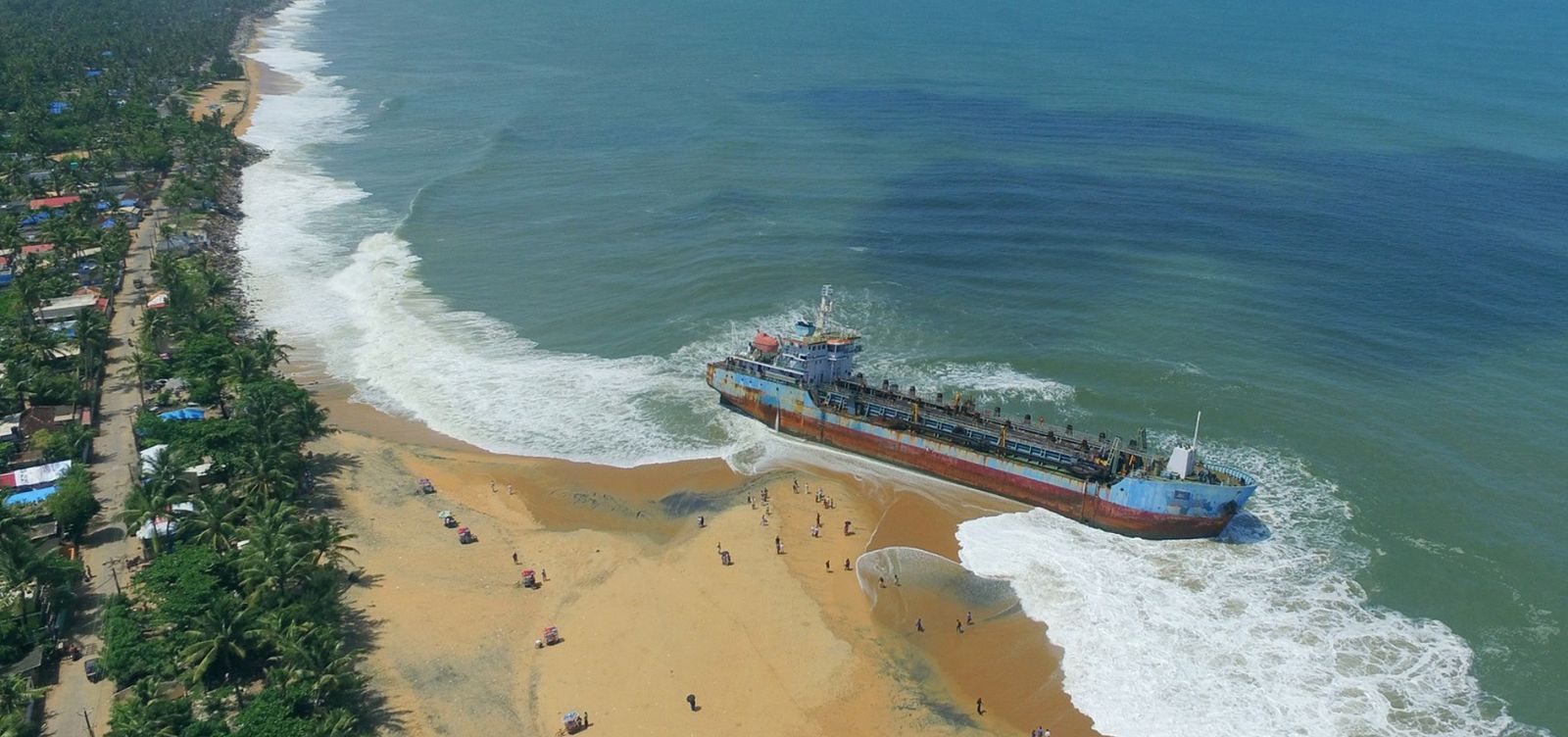
Mundakkal Beach doesn't announce itself. There's no grand entrance, no row of souvenir stalls, no queue of tour buses disgorging day-trippers. You arrive down a narrow lane off the main road in Kollam, and suddenly the Arabian Sea is right there, stretched out in a long grey-blue line with fishing boats pulled up on the sand like beached whales. This is a working beach. Men mend nets in the shade of coconut palms. Women sort the morning catch into plastic crates. Children dart between the boats, kicking up sand. If you came looking for sun loungers and coconut-water vendors in matching uniforms, you've taken a wrong turn. Stay anyway. What Mundakkal offers is harder to find on the Kerala coast these days — a beach that still belongs to the people who live beside it.
A Fishing Village That Happens to Have a Beach
The rhythm here is set by the sea, not by tourism. Boats push off before dawn, their outboard engines coughing awake while the sky is still dark. By mid-morning they return, low in the water, and the sand becomes a marketplace. Mackerel, sardines, prawns, the occasional kingfish — everything gets weighed, haggled over, and carried off within an hour.
Walk the shoreline and you'll notice the boats themselves are worth studying. Older wooden canoes sit beside fibreglass replacements painted in bright blues and yellows, with hand-lettered names on the bow. Many still use catamaran-style designs that haven't changed much in a century. Nobody's preserving this as heritage. It's just what works.
The Sand, the Swell, and the Honest Truth
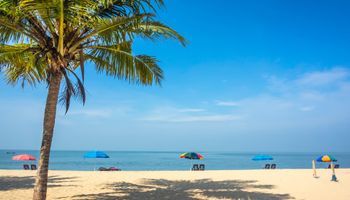
Let's be direct about the beach itself. The sand is dark, coarse, and mixed with small shells and bits of broken coral. The water isn't the postcard turquoise of the Maldives — it's the working sea of the Arabian coast, grey-green and often choppy. The swell can be strong, and there's a definite undertow during monsoon months.
This isn't a beach for long swims. Locals wade in up to their waists, splash about, and come back out. Follow their lead. The lifeguard presence is minimal to nonexistent, and the currents deserve respect rather than bravado.
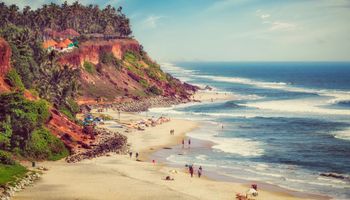
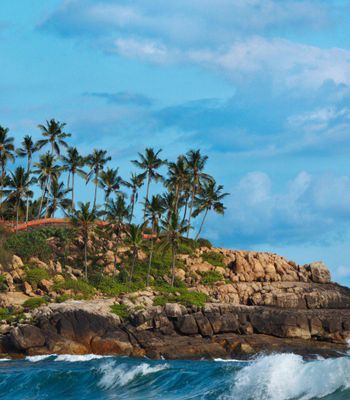
What the beach does have is space. Long, uninterrupted space. You can walk for a kilometre in either direction without hitting a hotel wall or a private compound. In Kerala, where coastal development has swallowed up vast stretches of shoreline, that's increasingly rare.
When the Light Goes Gold
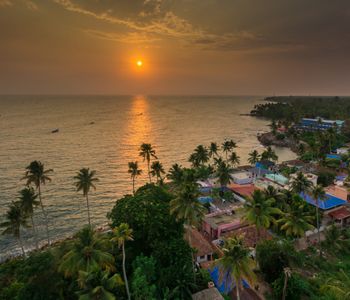
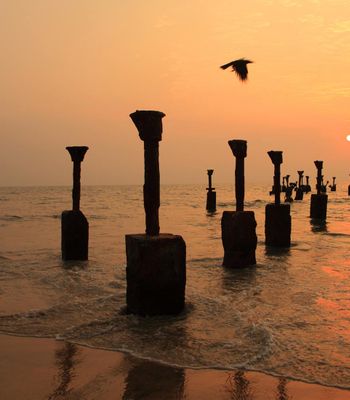
Come at sunset. This is when Mundakkal earns its place on any honest Kollam itinerary. The sun drops straight into the Arabian Sea with nothing in the way — no islands, no headlands, just horizon. Fishing boats become black silhouettes against an orange sky, and families from the surrounding neighbourhood drift down to sit on the sand.
Vendors appear with peanuts roasted in paper cones, steamed corn rubbed with lime and chilli, and sometimes a cart selling kulfi. The crowd is almost entirely local. You'll hear Malayalam, a little Tamil, rarely any English. Nobody will try to sell you a boat ride or a massage. You're just another person watching the sun go down.
The Kollam Context
Mundakkal is a neighbourhood of Kollam, the old cashew-trading port that Marco Polo apparently stopped in during the 13th century. The city has a longer commercial history than most people realise — it was once one of the most important ports on the Malabar Coast, trading with the Romans, the Chinese, and later the Portuguese, Dutch, and British.
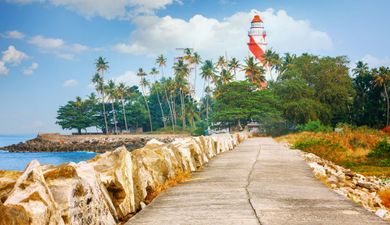
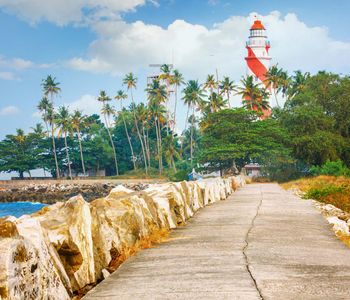
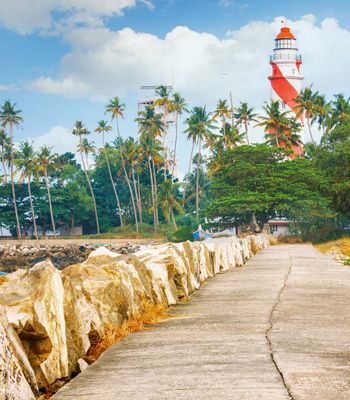
You won't find much of that history on the beach itself. For that, head into the town and visit the Thangassery Lighthouse, about three kilometres away, or the old Portuguese fort ruins nearby. The beach's value is different. It's where Kollam meets the sea today, not centuries ago.
What to Do, and What Not to Bother With
Don't come expecting activities. There are no jet skis, no parasailing, no banana boats. What you can do is walk, swim cautiously, photograph the boats, watch the fishermen work, and eat. The eating is underrated.
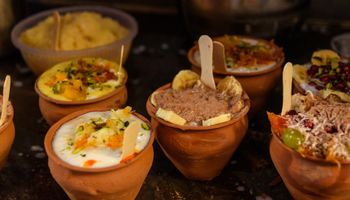
Small stalls along the approach road sell fried fish that was swimming a few hours earlier. Ask for the catch of the day, watch it get dusted in red masala and dropped into hot oil, and eat it standing up with your fingers. A plate costs less than a cup of coffee at a hotel. This is the food Kollam actually eats, not the curated thali served to tourists further south.
If you want sand activities, there's space for beach cricket, which inevitably breaks out in the late afternoon. Stand and watch, or get invited to field. Somebody usually asks.
The Matter of Cleanliness
Here's the uncomfortable part. Mundakkal is not spotless. Plastic washes up with the tide. The fishing activity leaves debris. Some sections have litter that nobody seems responsible for clearing. If you're the kind of traveller who finds this unbearable, this isn't your beach.
If you can look past it — and accept that this is the reality of most working coastlines in India — you'll find something more authentic than the manicured alternatives. The beach is getting better. Local clean-up drives happen, and there's growing municipal attention. But pretending it's pristine would be dishonest.
Getting There Without Fuss
Kollam Junction railway station sits about three kilometres from the beach, and autorickshaws make the trip for around 100 rupees. From the KSRTC bus stand, it's even closer. If you're coming from Thiruvananthapuram, the train takes roughly 90 minutes and runs frequently.
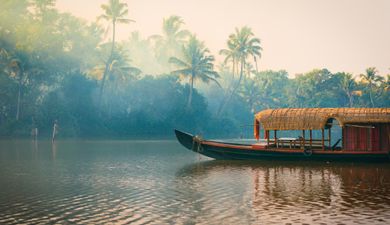
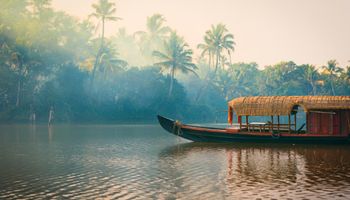
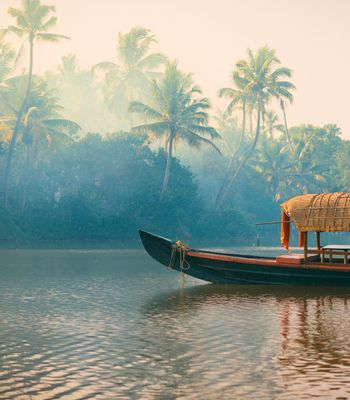
Most visitors pair Mundakkal with the Ashtamudi Lake backwater cruise, which is the reason most people come to Kollam in the first place. The beach makes a good late-afternoon counterpoint to a morning on the houseboat — freshwater in one half of your day, saltwater in the other.
Best Time to Visit
November through February is the obvious answer. The weather is dry, the sea is calmer, and the evenings are pleasant enough to linger. March through May gets hot and humid, though early mornings and sunsets remain bearable.
Avoid the monsoon months from June through September unless you specifically want to see the Arabian Sea at its most dramatic. The swell becomes dangerous, the sky stays grey for days, and the fishing largely stops. Some people find this atmospheric. Most find it miserable.
A Final Word
Mundakkal Beach isn't going to compete with Varkala or Kovalam on Instagram. It doesn't want to. What it offers is a glimpse of coastal Kerala before tourism reshaped it — a place where the sea is still primarily a livelihood rather than a backdrop. Come for an evening. Watch the boats come in. Eat fish you saw arrive. Let the sun drop into the sea while a cricket ball rolls past your feet. You won't have done anything remarkable. That's rather the point.