The scent hits you first — rose petals crushed underfoot, sandalwood smoke curling from brass burners, and the unmistakable sweetness of itr oil sold by vendors who've worked these lanes for generations. Then comes the sound: qawwali singers pushing their voices toward something unreachable, the rhythmic clap of hands, a tabla holding it all together. Ajmer Sharif Dargah doesn't reveal itself slowly. It engulfs you.
This is the shrine of Khwaja Moinuddin Chishti, the 12th-century Sufi saint whose tomb has drawn pilgrims for over 800 years. Hindus come. Muslims come. Sikhs come. Mughal emperors walked here barefoot from Agra. You'll arrive by auto-rickshaw, probably sweating, almost certainly unprepared for what waits inside those marble gates.
The Saint Who Refused to Stay Buried
Khwaja Moinuddin Chishti arrived in Ajmer around 1192, a Persian mystic who preached a radical idea for his time: that love of God mattered more than caste, creed, or conquest. He died here in 1236, reportedly while in deep meditation, locked in a cell for six days.
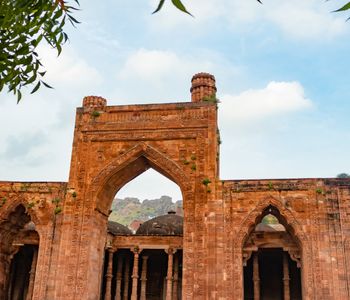
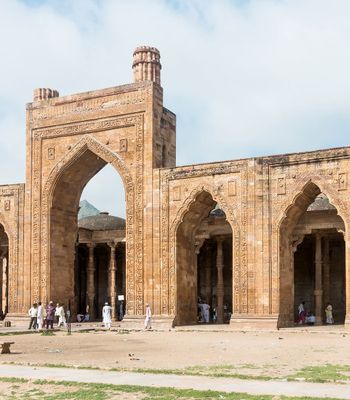
The shrine grew slowly around his grave. Sultan Ghiyasuddin Khilji built the dome. Humayun added structures. Akbar, who walked from Agra to Ajmer in 1570 after the birth of his son, donated the massive cauldron that still sits in the courtyard. Shah Jahan built the marble mosque. Each ruler added something, almost as if the saint kept asking.
What you see today is the accumulated devotion of eight centuries — and it shows in every chipped tile, every worn marble step, every blackened patch where another lamp has burned.
Through the Nizam Gate and Into Something Else
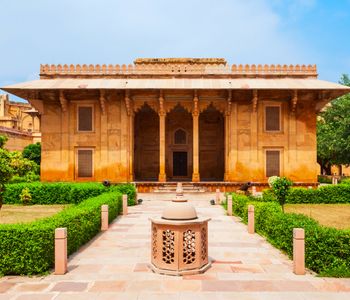
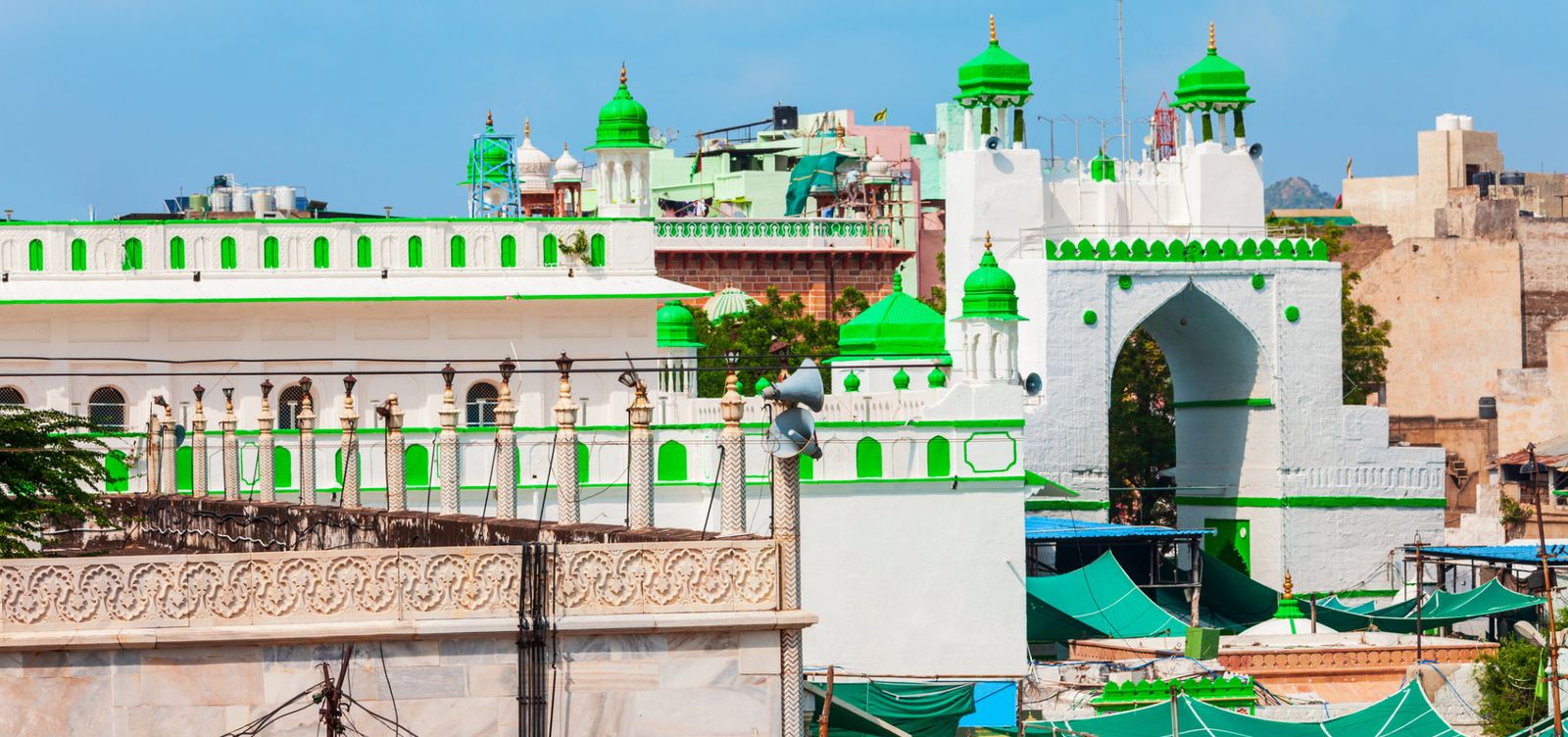
The main entrance, the Nizam Gate, was built by the Nizam of Hyderabad in 1915. Step through it and the city falls away. The Shahjahani Gate comes next, then the Buland Darwaza, and by the time you reach the inner courtyard, you've crossed from Ajmer into somewhere harder to name.
The tomb itself sits beneath a marble dome crowned with gold. Pilgrims press forward in a slow, patient current, holding green chadars embroidered with verses — sheets of fabric that will be laid over the saint's grave and returned, now considered blessed. The crush of bodies is real. So is the calm beneath it.
Inside the inner sanctum, photography stops. Voices drop. You'll either feel something here or you won't — but the people around you are feeling everything.
The Cauldrons That Feed Thousands
In the courtyard sit two enormous cauldrons, called degs. The larger one, gifted by Akbar, can cook rice for around 4,800 people in a single batch. The smaller one, donated by Jahangir, handles roughly 2,400.
On festival days, the cauldrons are filled with sweetened rice — kheer thick with dried fruit, ghee, and saffron — and then auctioned. Buyers donate the cooked rice back, and it's distributed as tabarruk, sacred food, to pilgrims. There's a ritual to climbing the cauldron to scoop out the contents, performed by men from specific families who've done this work for generations.
It's spectacle and sacrament at once. You'll either find it moving or unsettling. Possibly both.
Qawwali at the Mehfil Khana
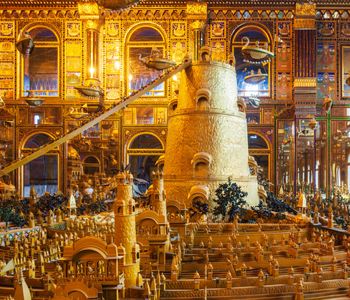
The Mehfil Khana, built in 1888, is where qawwali singers perform every evening. This isn't a concert. The musicians sit cross-legged on the floor, faces turned toward the tomb, and sing the same Sufi poems their fathers and grandfathers sang in this same room.
Come after sunset, particularly on Thursday nights. The voices climb, fall, climb again. People sway. Some weep openly. The harmonium drones beneath it all like something tectonic.
Drop a few rupees in the cloth they pass around. It's expected, and it's the least you can do for music this honest.
The Urs Festival
Once a year, during the Islamic month of Rajab, the dargah hosts the Urs — the commemoration of Khwaja Moinuddin's death, which Sufis consider his union with the divine. For six days, Ajmer becomes nearly impassable. Pilgrims arrive by the hundreds of thousands. The narrow lanes outside the shrine clog with humanity.
If crowds drain you, avoid this week entirely. If they don't, the Urs is the single most intense experience this shrine offers — a fever of devotion that's been happening, almost unchanged, for eight centuries.
The Lanes Outside Are Part of the Experience
The bazaar leading to the dargah is a separate attraction whether you intend it to be or not. Vendors sell rose petals by the bagful, embroidered chadars in every color, prayer caps, dates from Medina, attar in tiny cut-glass bottles, prayer beads carved from olive wood.
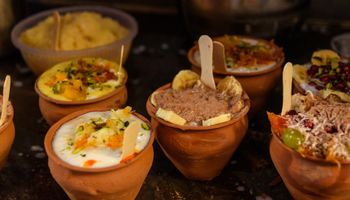
Sohan halwa, a dense, ghee-laden sweet shot through with nuts, is the local specialty. Buy it from one of the older shops near the gate — the ones with framed photos of grandfathers behind the counter and queues of locals out front. Skip the tourist-facing places with English menus.
You'll be approached by men offering to be your guide, to handle your chadar offering, to walk you through the rituals. Some are genuine khadims, hereditary caretakers with real knowledge. Others are not. Agree on a price before anything happens, and trust your gut.
What to Know Before You Go
The dargah is open from roughly 4 a.m. until 10 p.m., with brief closures for prayers. Entry is free. You'll need to cover your head — men and women — and remove your shoes. Stalls at the entrance store footwear for a few rupees.
Dress modestly. Long sleeves, long pants or skirts, nothing tight. This isn't a tourist site that happens to be religious; it's a religious site that tolerates tourists.
Keep your phone in your pocket inside the inner sanctum. Pickpockets work the crowds, especially during peak hours, so carry only what you need. Cash for offerings, water for the heat. Nothing more.
Aim for October through March, when Ajmer's temperatures drop into something humane. Summer here is brutal — 40°C and rising, the marble courtyards radiating heat like a hot plate. Early morning visits, just after dawn, give you the shrine at its quietest, before the day's crowds arrive.
Why This Place Still Matters
You can visit a thousand religious sites and feel nothing. Ajmer Sharif is different, and not because of the architecture, which is modest by Mughal standards, or the history, which is impressive but matched elsewhere. It's the unbroken thread. For eight hundred years, people have walked through these gates carrying their grief, their hope, their petitions. They still do. You'll watch a businessman in a sharp suit kneel beside a farmer from a village you've never heard of, and neither of them will notice the other.
Come hungry — for sweets, for music, for whatever it is that brings people back to a saint's tomb century after century. Ajmer doesn't perform for visitors. It simply continues, with or without you. Step inside, and for a few hours, you continue with it.