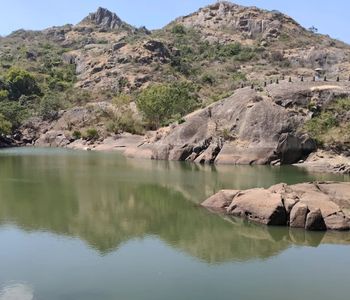
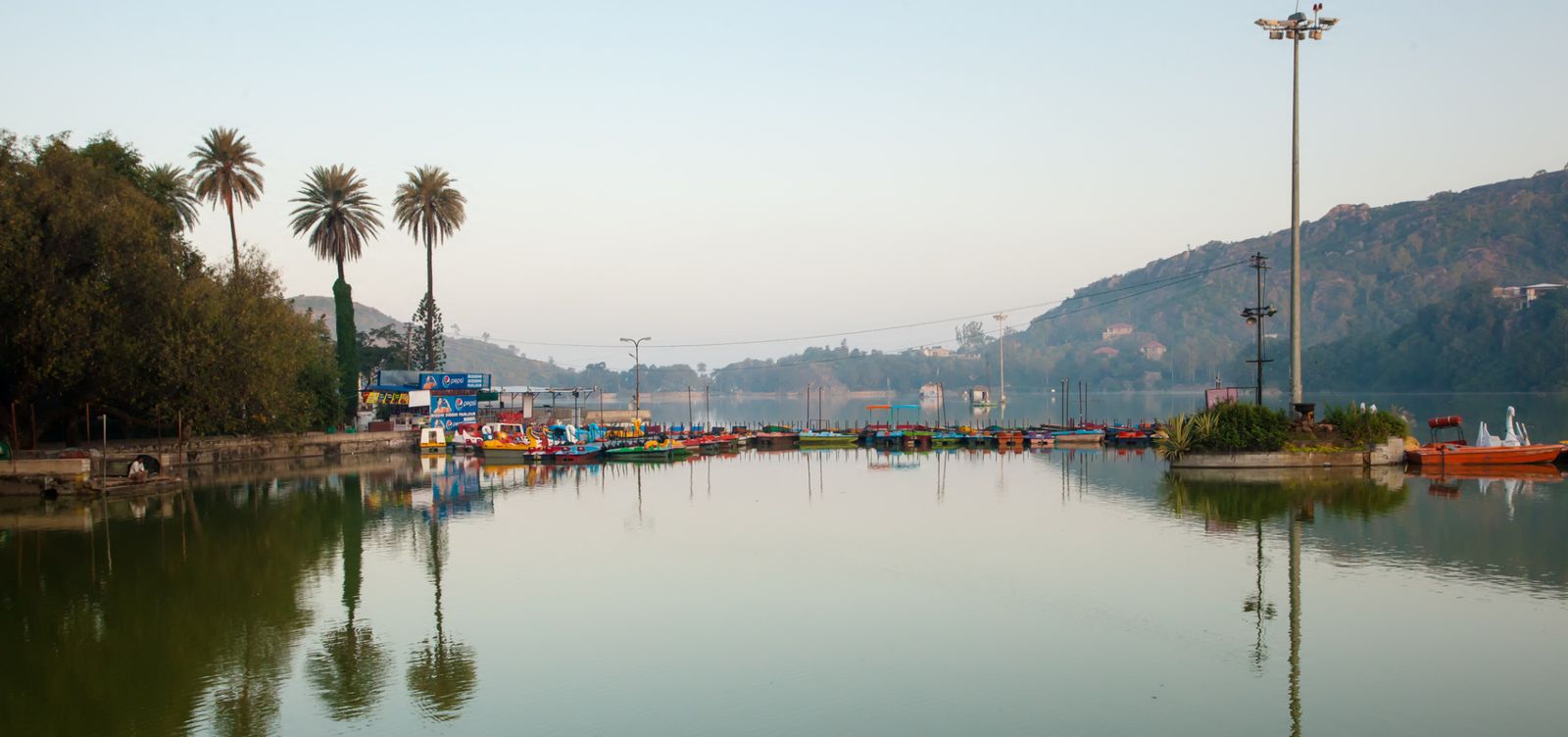
At roughly 1,220 metres above sea level, Nakki Lake occupies the geographic and emotional center of Rajasthan's only hill station — a state otherwise defined by sand, heat, and the relentless ambition of the Thar Desert. The water runs green, sometimes murky, ringed by granite boulders that look like they were abandoned mid-thought by a sculptor who wandered off. Hindu mythology holds that the gods clawed this lake into existence using only their nails — "nakh" in Hindi — as a hiding place from a pursuing demon. Believe the story or don't. The lake is indisputably here, and it anchors everything Mount Abu does with itself. Without it, this small town on the Aravalli Range would have no center of gravity, no evening ritual, no reason for half its visitors to stay past lunch.
Water Where Water Has No Business Being
Rajasthan and lakes don't typically share a postcode. The Thar Desert cracks 50 degrees Celsius; rainfall, for much of the year, is something other places get. Mount Abu breaks the formula entirely. Elevation keeps things cooler, the surrounding forest holds moisture like a sponge, and Nakki Lake stands as physical proof that you've left the flatlands behind.
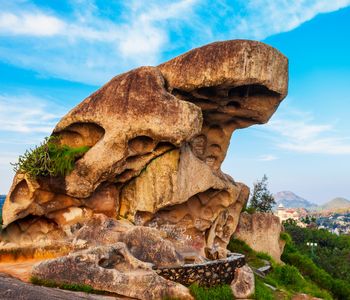
The lake stretches roughly a quarter-mile in length, sitting in a natural basin ringed by weathered granite formations. Some of these rocks have earned names for their shapes — Toad Rock, a massive boulder that genuinely resembles a toad tensed to leap, is the most photographed. Nun Rock, perched on a nearby ridge, draws fewer cameras but repays the walk with a superior vantage over the water below.
Here's the thing that sets Nakki Lake apart from every other hill station lake in India: it's natural. Most colonial-era retreats feature reservoirs engineered by the British for practical reasons — irrigation, drinking water, weekend aesthetics. Nakki Lake predates all of that. It simply exists, fed by underground springs and seasonal rain, doing what it's done for centuries without anyone's permission.
Where the Town Comes to Exhale
Every evening, the promenade along the lake's edge fills with families, couples, and vendors working charcoal grills. The pace drops. Nobody rushes. Pedal boats shaped like swans and oversized ducks drift across the surface in no particular hurry, their occupants more interested in conversation than velocity. You can rent one for a modest fee — typically around 100 to 200 rupees for a thirty-minute ride — and the experience, while not exactly adrenaline, puts you at water level with the surrounding rock formations in a way the shore never can.
Row boats are also available if you'd prefer something with more dignity than a giant plastic duck. The boating area stays active until sunset, and the light during the final hour is worth waiting for. The granite hills catch the last orange glow and hold it, throwing a warm amber tone across the water that photographers chase relentlessly but rarely pin down in a frame.
Along the promenade, food stalls serve dal bati churma — Rajasthan's signature trinity of baked wheat balls, lentil curry, and crumbled sweetened bread — alongside more portable options like kachori and bhel puri. But the corn sellers are the ones who earn your loyalty. They roast ears over charcoal until the kernels blister, then finish with a squeeze of lime juice, a fist of salt, and enough red chili powder to make your lips sting. It's the kind of simple street food that tastes unreasonably good when eaten at the edge of a lake as the sky turns the color of a ripe mango.
A Billion Years, Slowly Carved
The granite formations surrounding Nakki Lake aren't scenery. They're geological artifacts of the Aravalli Range, one of the oldest mountain chains on the planet, with rocks dating back over a billion years. Erosion has been working them into improbable shapes for millennia, and locals have obliged by attaching legends to each one.
Toad Rock is the headline act. Perched on the southern edge of the lake, this massive boulder balances on a hillside in a way that seems to mock its own weight. A short climb up a paved path brings you to its base, and the panoramic view of the lake and town below justifies every step of the ten-minute effort. The rock genuinely looks like a toad — this isn't one of those formations where you squint, tilt your head, and still can't see it.
On the western side, the hills rise more steeply, and a walking trail threads through scrubby forest toward Sunset Point. The trail isn't long — maybe twenty minutes at a comfortable pace — but it pulls you clean away from the crowds. Langur monkeys watch from overhead branches with the detached curiosity of tenured professors observing freshmen. They won't bother you. They've seen it all before.
The Temple Everyone Walks Past
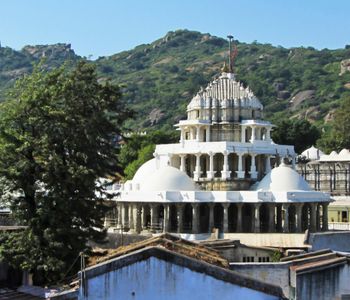
Adjacent to the lake sits the Raghunath Temple, a fourteenth-century structure dedicated to Lord Vishnu. Most visitors march right past it on their way to the boat rental counter. This is a mistake worth correcting. The temple is compact but finely carved, with sandstone detailing on its shikhara that repays a close, slow look. Step inside and the atmosphere shifts abruptly — the cheerful lakefront noise gives way to incense smoke and the clear ring of brass bells.
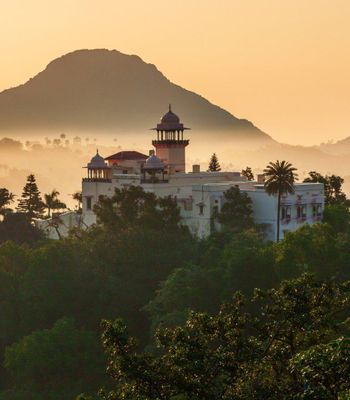
The nearby Maharaja Jaipur Palace, now a heritage hotel, also overlooks the water. Even if you're not staying there, the building's colonial-era architecture and its perch above the waterline provide useful context: Mount Abu served for centuries as a retreat for Rajput royalty and, later, for British officers fleeing the heat of the plains. The lake was the reason they all came. It still is.
The Practical Details
Mount Abu connects to the rest of Rajasthan by a single winding road that climbs from the town of Abu Road, where the nearest railway station sits about 28 kilometres away. Buses run regularly, and the ride takes roughly an hour — depending on traffic and the driver's personal interpretation of speed limits. From larger cities like Udaipur or Ahmedabad, direct buses cover the distance in four to five hours.
Once you're in Mount Abu, finding Nakki Lake requires almost no effort. The lake sits at the town's center, and nearly every road eventually delivers you to its shore. Walking from most hotels takes ten minutes or fewer. Auto rickshaws exist, but unless you're hauling luggage, they're an unnecessary expense.
The best months fall between October and March, when temperatures hover between 12 and 28 degrees Celsius. Summer brings manageable heat but also pre-monsoon haze that dulls the views. The monsoon — July through September — fills the lake to capacity and turns the surrounding hills an almost unnaturally vivid green, though rain can shut down outdoor plans without notice. There's no entry fee to visit the lake itself; boating and certain viewpoints carry small charges.
A Lake for Doing Nothing Well
Nakki Lake doesn't attempt grandeur. It's not deep enough to be mysterious, not wide enough to feel vast. What it offers instead is something harder to find — a natural gathering point where an entire town converges each evening to do almost nothing, and does it with unmistakable contentment. Find a bench along the promenade as the light thins. Order a paper cone of roasted corn. Let Mount Abu's unhurried rhythm work its way into your shoulders. Some places demand your energy. This one asks only that you sit still long enough to notice what quiet feels like.