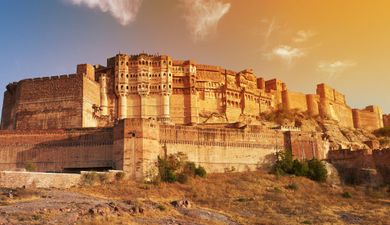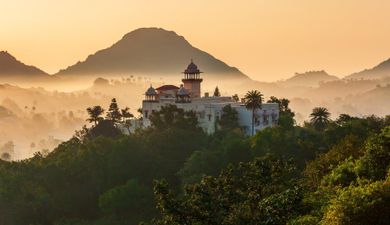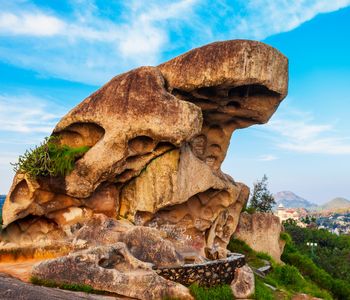
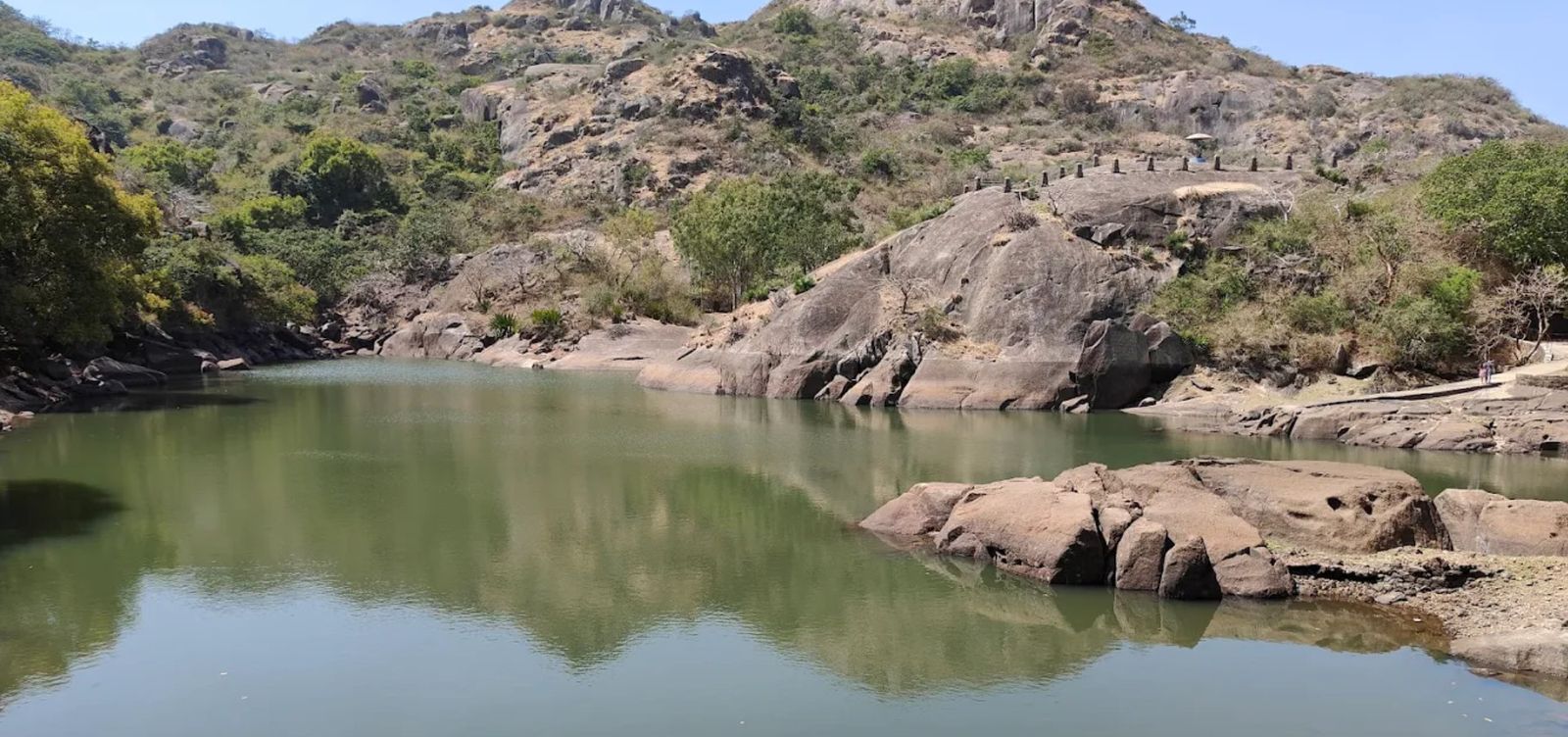
Rajasthan is synonymous with sand, heat, and dry fortress cities. So it comes as a genuine shock to walk through a subtropical evergreen forest on the state's highest plateau, hearing langurs crash through bamboo thickets while a grey jungle fowl erupts from the undergrowth at your feet. The Mount Abu Wildlife Sanctuary occupies roughly 290 square kilometres of the Aravalli Range, draped across granite hills that rise above 1,200 metres. This is Rajasthan's sole hill station, and the sanctuary surrounding it feels like a biological rebuttal to everything you assumed about the state. Established in 1960 and later declared an Important Bird Area by BirdLife International, this protected forest rewards slow walkers, patient watchers, and anyone willing to swap palace tourism for something wilder and less explicable.
A Forest That Has No Business Being Here
The Aravallis are among the oldest mountain ranges on Earth — eroded ridgelines dating back over 350 million years. At Mount Abu, those ancient hills catch just enough monsoon moisture to support vegetation that flatly contradicts the surrounding desert. Teak, bamboo, wild mango, and orchids crowd the slopes. Moss colonizes boulders that look transplanted from the Western Ghats, not perched two hours from Jodhpur's sandstone ramparts.
The terrain rearranges itself as you climb. Lower slopes carry dry deciduous forest, where dhak and tendu trees thin into rocky scrub. Higher up, the canopy closes. Subtropical broadleaf species knit together overhead, and the light turns green. You'll hear water before you see it — small streams slice through rock, feeding pools where sambar deer come to drink in the late afternoon. The shift between zones happens fast, sometimes within a single kilometre of walking, and that compression is part of what makes the sanctuary so peculiar.
The Leopard's Living Room
Indian leopards are the sanctuary's headline residents, though "headline" oversells it — "phantom" is closer to the truth. The Mount Abu population has adapted to rocky, hilly terrain and hunts primarily at dusk and dawn along the sanctuary's margins. Your chances of a sighting on any single visit are frankly slim. But the evidence is everywhere: scrape marks scored into tree trunks, pugmarks pressed into damp trail soil, and the unmistakable alarm calls of langurs ricocheting through the canopy when a cat passes below.
What you will see, almost certainly, are the langurs themselves. Grey and long-tailed, they drape over branches like dishevelled aristocrats, regarding you with an expression pitched somewhere between curiosity and mild contempt. Sloth bears also inhabit the sanctuary, though they're nocturnal and cautious enough that encounters stay rare. Wild boar, Indian fox, hyena, and jungle cat fill out the mammal roster — none of them easy, all of them present if you have the patience to notice.
Where the Birding Gets Serious
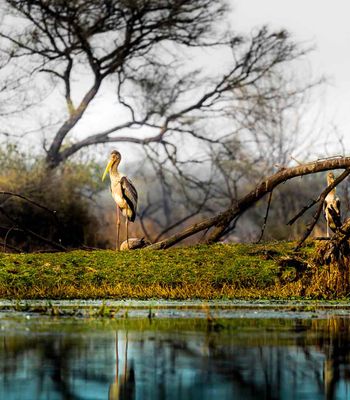
More than 250 bird species have been recorded within the sanctuary, and this is where Mount Abu genuinely distinguishes itself. The grey jungle fowl — ancestor of the domestic chicken, a bird of the Indian peninsula — threads through the undergrowth with surprising stealth for something so conspicuously coloured. Indian paradise flycatchers trail their absurdly long tail feathers through the mid-canopy, bright white against the green. Winter months push the count higher still as migratory species arrive.
Raptors, though, are the real reason to bring good glass. Bonelli's eagle hunts along the cliff faces, and crested serpent eagles ride thermals above the plateau on most clear mornings. Don't skimp on binoculars — the canopy is dense, and many of the best birds sit deep in the middle storey where naked-eye identification becomes guesswork at best. Early mornings between October and March deliver the most productive sessions, before tourist traffic on nearby roads scatters the quieter species.
How to Walk It Right
The sanctuary wraps around the town of Mount Abu itself, and several trails lead into the forest from the settlement's edges. Trevor's Tank, a small crocodile-breeding pool about five kilometres from the town centre, serves as a popular entry point. The area around the tank draws birdlife and offers a relatively flat walk that suits most fitness levels. From here, trails climb into denser forest where the real wildlife watching starts.
Hiring a local guide isn't just recommended — it fundamentally changes what you see. These guides know which waterholes are active, which ridgelines the leopards favour, and where the sloth bears have been feeding recently. Without one, you're essentially walking blind through thick forest. Permits are checked at entry points, and guides can be arranged through the Forest Department office near the main gate.
Here's the counterintuitive thing: don't rush toward Guru Shikhar or Nakki Lake first. Most tourists do exactly that, which leaves the sanctuary trails emptier than you'd expect from a place surrounded by a popular hill station. The wildlife knows this pattern, too. Animals grow bolder on the less-trafficked paths while the crowds pile up around the scenic viewpoints.
Timing, Gear, and the Things Nobody Tells You
The sanctuary stays open year-round, but the texture of a visit shifts dramatically with the seasons. October through March brings cooler temperatures — mornings can dip to 12 degrees Celsius, which is practically arctic by Rajasthan standards. This window coincides with peak migratory bird activity and clearer trails after the monsoon vegetation has been trimmed back by the Forest Department.
The monsoon months from July through September turn the landscape into something almost unrecognizable. Waterfalls materialize on hillsides that were bone-dry in April. The canopy doubles its intensity, swallowing the light. But leeches become an unavoidable companion on lower trails, and some paths close entirely due to landslip risk. Summer, from April to June, pushes temperatures above 33 degrees Celsius even at this altitude, and wildlife retreats deep into the forest during daylight hours — you won't see much beyond birds and insects.
Wear sturdy shoes with ankle support. The trails are rocky and uneven, scattered with loose gravel on steeper sections. Carry at least two litres of water regardless of the season. The entry fee for foreign nationals is higher than for Indian citizens, as is standard at Forest Department-managed protected areas, so confirm current rates before arriving. Photography is permitted, though tripods sometimes require a separate fee.
The Road Up
Mount Abu sits about 28 kilometres from Abu Road, the nearest railway station on the Delhi-Ahmedabad line. Taxis and shared jeeps make the climb from the station to the town in roughly 45 minutes, threading hairpin turns that give you your first real look at the Aravalli landscape. Buses from Udaipur, Jodhpur, and Ahmedabad reach Mount Abu directly, though the journey from Udaipur — about four hours — tends to be the most scenic and least punishing on the spine.
Once in town, the sanctuary is walkable from most hotels. That proximity is both a gift and a constraint. The forest begins exactly where the town ends, which means the sanctuary's edges absorb more human disturbance than the interior. Push past the first kilometre of well-worn trail, and the noise drops away. That's when the forest starts to feel like itself.
What the Desert Keeps Quiet
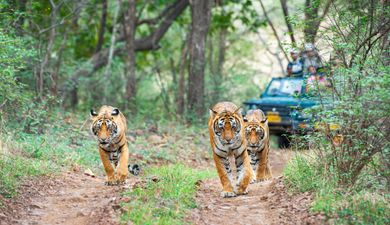
Mount Abu Wildlife Sanctuary won't deliver the tiger sightings of Ranthambore or the theatrical elephant herds of a southern Indian reserve. What it offers instead is rarer in its own way — a forest that defies its own geography, sustaining wildlife that has adapted to an ecological island surrounded by arid plains. The quiet here feels earned, not curated. Walk slowly, watch the canopy, and let the sanctuary reveal itself on its own terms. In a state that sells spectacle at every turn, this place trades in patience. It's a fair exchange.