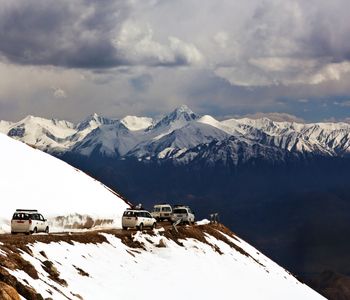
For most of the year, Zanskar Valley doesn't want you to visit. From November through May, the only way in or out is by walking across a frozen river — the famous Chadar Trek — where temperatures plunge to minus 30 degrees Celsius and the ice beneath your boots groans like something alive. Even in summer, reaching Zanskar means enduring one of India's most punishing roads, a bone-rattling corridor through the Pensi La pass at over 4,400 metres. This isn't a valley you stumble into. You earn it.
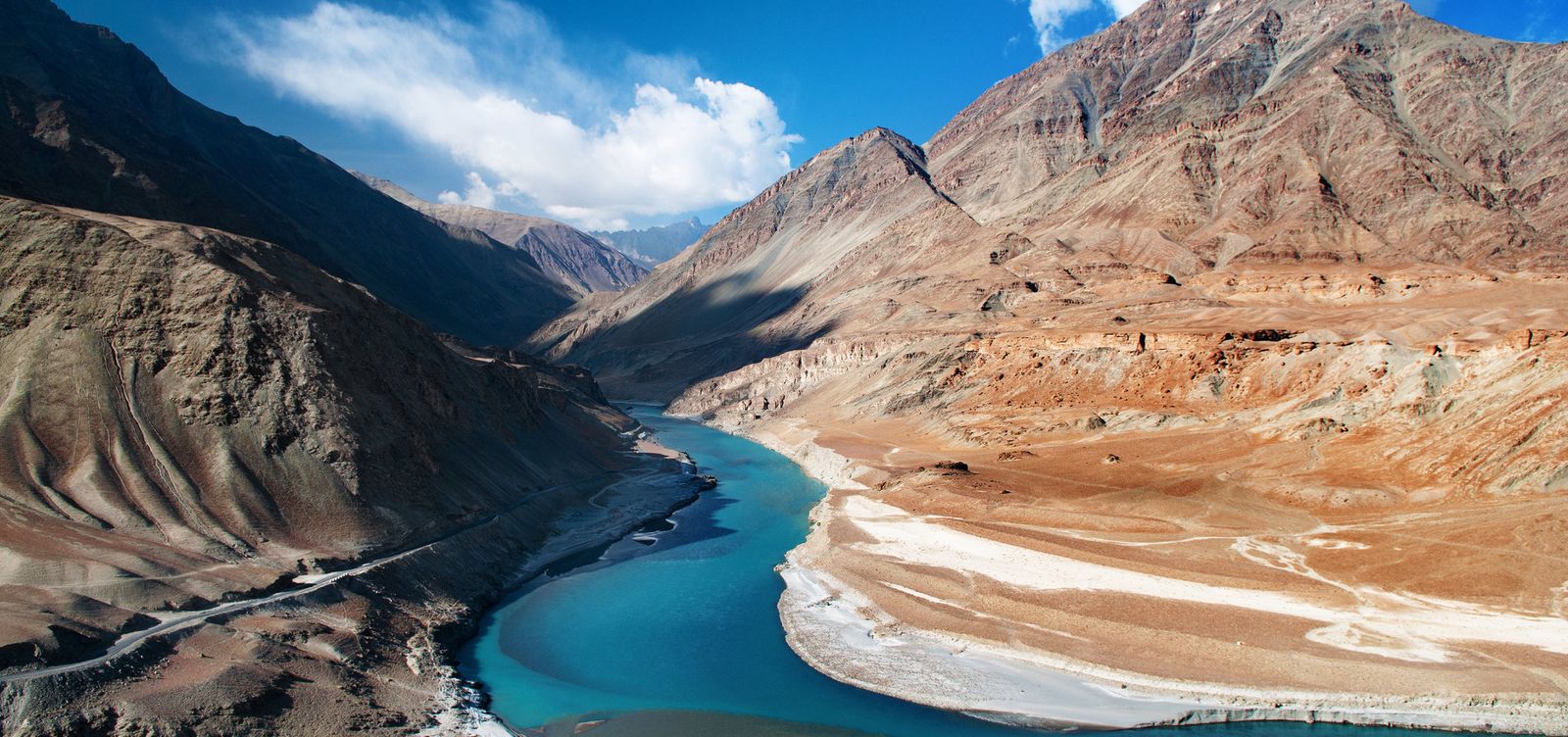
And that's precisely the point. Zanskar rewards commitment with a landscape so stark and immense it recalibrates your sense of scale. Sandstone cliffs rise in vertical slabs of ochre and rust, carved over millennia by the Zanskar River into a gorge so deep it swallows sound. Buddhist monasteries cling to ridgelines as if placed there by an afterthought of gravity. The air at this altitude — thin, dry, carrying no pollution — holds only the mineral smell of ancient rock and the occasional drift of juniper smoke from a village hearth.
A Civilization Built on Stillness
Zanskar's isolation isn't accidental. It's the defining architecture of a culture shaped by extreme geography. Roughly 14,000 people live across the valley's scattered settlements, most practicing Tibetan Buddhism in a tradition largely unbroken since the 10th century. The monasteries here haven't been repurposed for visitor footfall. They're functioning religious institutions where monks still debate scripture in open courtyards, their voices ringing off whitewashed walls.
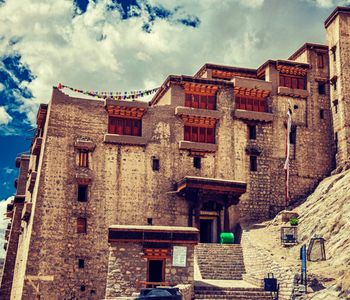
Karsha Monastery, the largest in the valley, sprawls across a hillside like a vertical village — over a hundred monks live and study within its tiered chambers. From its upper terraces the view drops away into the Zanskar River valley, a corridor of grey-green water threading through brown earth. Phuktal Monastery offers something more startling: built into the mouth of a natural cave, it appears to emerge organically from the cliff face, accessible only by a narrow footpath carved along the gorge wall. Getting there takes several hours of hiking from the nearest road. Here's the thing most people discover afterward — they remember the approach more vividly than the arrival.
The Chadar — Walking on Water, Literally
Every winter, the Zanskar River freezes into a sheet of ice that locals have used as a highway for centuries. The Chadar Trek follows this frozen corridor for roughly 62 kilometres between Chilling and Nerak, and it remains one of the most physically demanding treks in the Himalayas. Not because of altitude gain, but because of the surface itself — uneven, occasionally cracking, always uncertain beneath your weight.
Porters and guides lead you across sections where the ice is thick and blue, skirting patches where water still moves beneath a dangerously thin crust. At night, you sleep in caves along the riverbank, huddled around kerosene stoves while the temperature outside dips into the minus twenties. It's uncomfortable. It's unforgettable. The Indian government has been building a road through the gorge that will eventually make the Chadar obsolete as a transport route. For now, the trek survives as both a cultural artifact and a test of nerve — though for how long, nobody can say with confidence.
When the Ice Melts, a Different Valley Appears
If frozen rivers aren't your idea of a holiday, Zanskar between June and September reveals a different personality entirely. The valley opens up under wide blue skies, and the barley fields around Padum — Zanskar's administrative centre — turn a vivid green that looks almost artificial against the surrounding brown terrain. Padum itself is modest: a few guesthouses, a handful of shops, a government office. Don't expect cafes or curio stores. This is a town built for function, not performance.
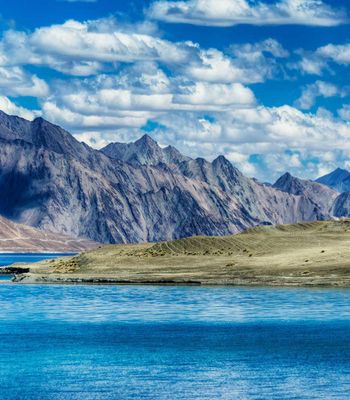
From Padum, multiday treks fan out in several directions. The route over the Umasi La pass connects Zanskar to the Kishtwar region of Jammu, crossing glacial terrain above 5,300 metres. A gentler option follows the valley floor to the confluence of the Zanskar and Lungnak rivers, where the water churns a milky turquoise from glacial sediment. The colour is so vivid it looks doctored in photographs. It isn't.
River rafting on the Zanskar draws a different crowd. The rapids between Padum and the confluence with the Indus near Nimmu range from Class II to Class IV, depending on the season's snowmelt. Outfitters in Leh arrange multiday expeditions that combine rafting with camping along the riverbanks, though the logistics require advance planning and a genuine tolerance for cold water hitting your face at 3,500 metres.
Getting There Without Losing Your Mind
The road from Kargil to Padum stretches approximately 240 kilometres, and in good conditions it takes about ten hours by shared taxi or bus. "Good conditions," however, is doing heavy lifting in that sentence. The Pensi La pass is typically open from mid-June through October, and even during those months, landslides and washouts can close the road without notice. Patience isn't optional here — it's infrastructure.
From Leh, most travellers first reach Kargil via the Srinagar-Leh Highway, then connect onward to Zanskar. A second route from Manali through the Shinkun La pass has been gradually improving but remains rougher and less predictable. Shared taxis from Kargil to Padum depart when they fill up, which can mean waiting a full day. Private vehicles cost more but spare you the uncertainty.
Once in Padum, accommodation is basic. Guesthouses offer clean rooms with intermittent electricity and meals of dal, rice, and chapati. Hot water comes from a bucket. Mobile phone coverage arrived relatively recently and remains unreliable. If you need constant connectivity, Zanskar will frustrate you. If you don't, it might be the most liberating week of your year.
What to Carry and When to Go
For summer visits, pack layers. Daytime temperatures in July and August can reach a comfortable 25 degrees Celsius in Padum, but nights drop sharply toward freezing even in midsummer. Sunscreen and sunglasses are non-negotiable — UV exposure at this altitude burns skin and eyes faster than most travellers expect. Bring cash. ATMs in Padum are either absent or unreliable, so stock up in Leh or Kargil before heading in.
Altitude sickness is a genuine concern. Padum sits at roughly 3,600 metres, and if you've flown into Leh at 3,500 metres without acclimatizing, the drive to Zanskar compounds the problem. Spend at least two days in Leh before attempting the journey. Drink water relentlessly. Diamox helps, but it's not a substitute for patience with your own body.
A Place That Doesn't Perform for You
Zanskar lacks the infrastructure of Leh, the accessibility of Manali, and the gentle beauty of Kashmir's lakes. There are no manicured viewpoints, no heritage hotels, no guided audio tours. What it offers instead is scale — geological, spiritual, temporal. Standing in the gorge below Phuktal, watching a monk in maroon robes descend a trail that people have walked for a thousand years, you understand that some places exist not to entertain you but to remind you how small and recent you are.
That's worth the bad road. Every kilometre of it.