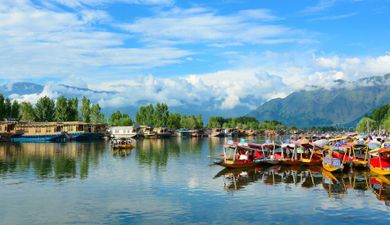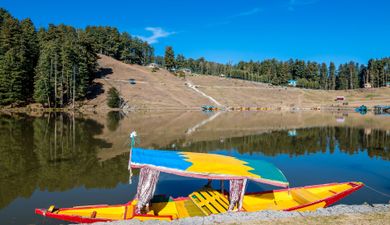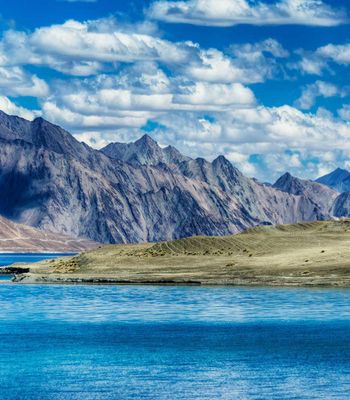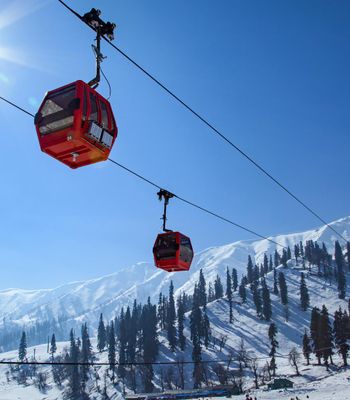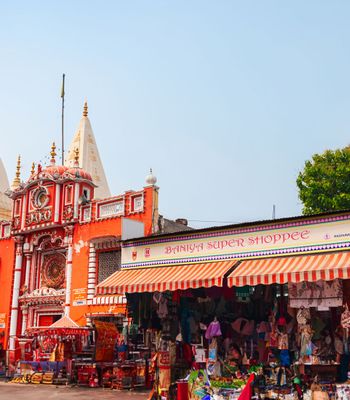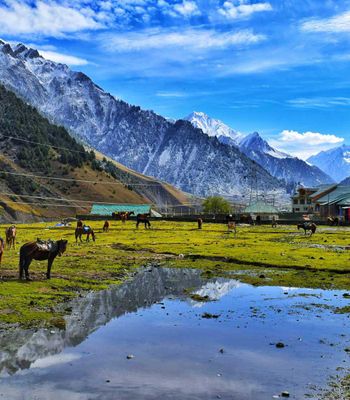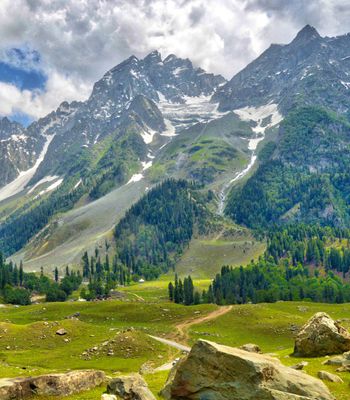
The valley got its name from a 1983 Sunny Deol movie, and somehow that single fact tells you everything about India's relationship with landscape. A glacial valley carved by the Aru and Lidder rivers, shaped by ice over millennia, and the name that survived came from a Bollywood romance. But walk through it, and the absurdity dissolves quickly. The Lidder River tears across the valley floor with such force you'll have to shout at its banks, and the surrounding Pir Panjal peaks hold their snow well into June. Seven kilometers south of Pahalgam in Jammu and Kashmir, at an elevation where the air thins and sharpens in your lungs, Betaab Valley earns its reputation honestly — even if its christening raises questions.
A Valley Shaped by Water and Ice
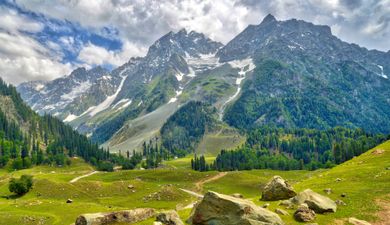
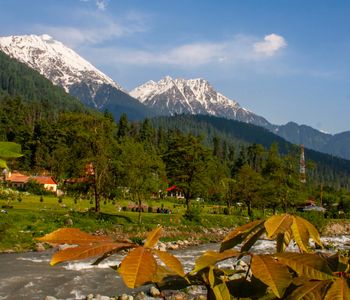
What hits you first isn't the green — though it's almost aggressive — but the sound. The Lidder River doesn't meander here. It crashes. Snowmelt from surrounding glaciers feeds it with an energy that has, over centuries, sculpted this broad valley floor into something almost suspiciously scenic.
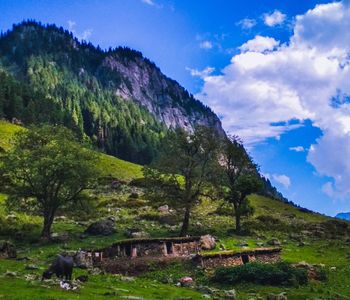
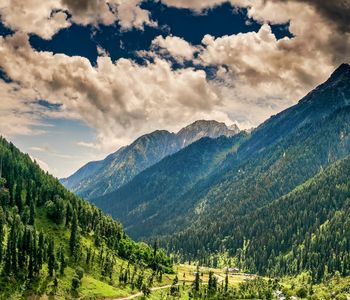
Deodar and pine forests climb the slopes on both sides, so dense the tree line reads almost black against pale granite above. In spring, wildflowers break out across the meadows in patches of purple and yellow, though they're easy to miss if the river has your attention. The water runs a pale mineral green — cold enough to numb your fingers in seconds.
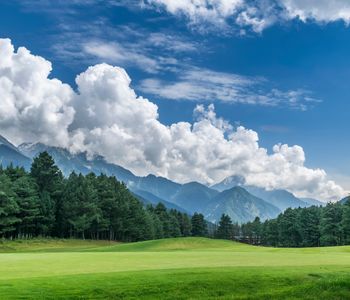
At 2,200 meters above sea level, Betaab Valley occupies that precise altitude where alpine severity meets Kashmiri abundance. The result is a landscape where two ecosystems have struck an uneasy truce. Snow-dusted peaks loom above meadows soft enough to nap on. It shouldn't work. It does.
The Bollywood Rename That Erased a Name
Before 1983, locals called this Hagan Valley. Then director Rahul Rawail arrived with his crew, filmed key sequences of the movie "Betaab" here, and the original name simply evaporated from common use. The film was a commercial hit, and overnight, this valley became a pilgrimage site for a generation of Indian moviegoers who'd seen it glowing on cinema screens from Delhi to Chennai.
Several other productions have since filmed here, cementing the valley's reputation as Kashmir's most camera-ready landscape. A small board near the entrance acknowledges the film connection, but the valley itself doesn't lean hard on Bollywood nostalgia. No cardboard cutouts. No themed selfie stations. The landscape does its own persuading.
What's genuinely revealing is how the renaming exposes a deeper truth about Indian tourism. Places become destinations not through geography textbooks but through popular culture. The valley didn't change after 1983. People's desire to see it did.
Walking the Valley Floor
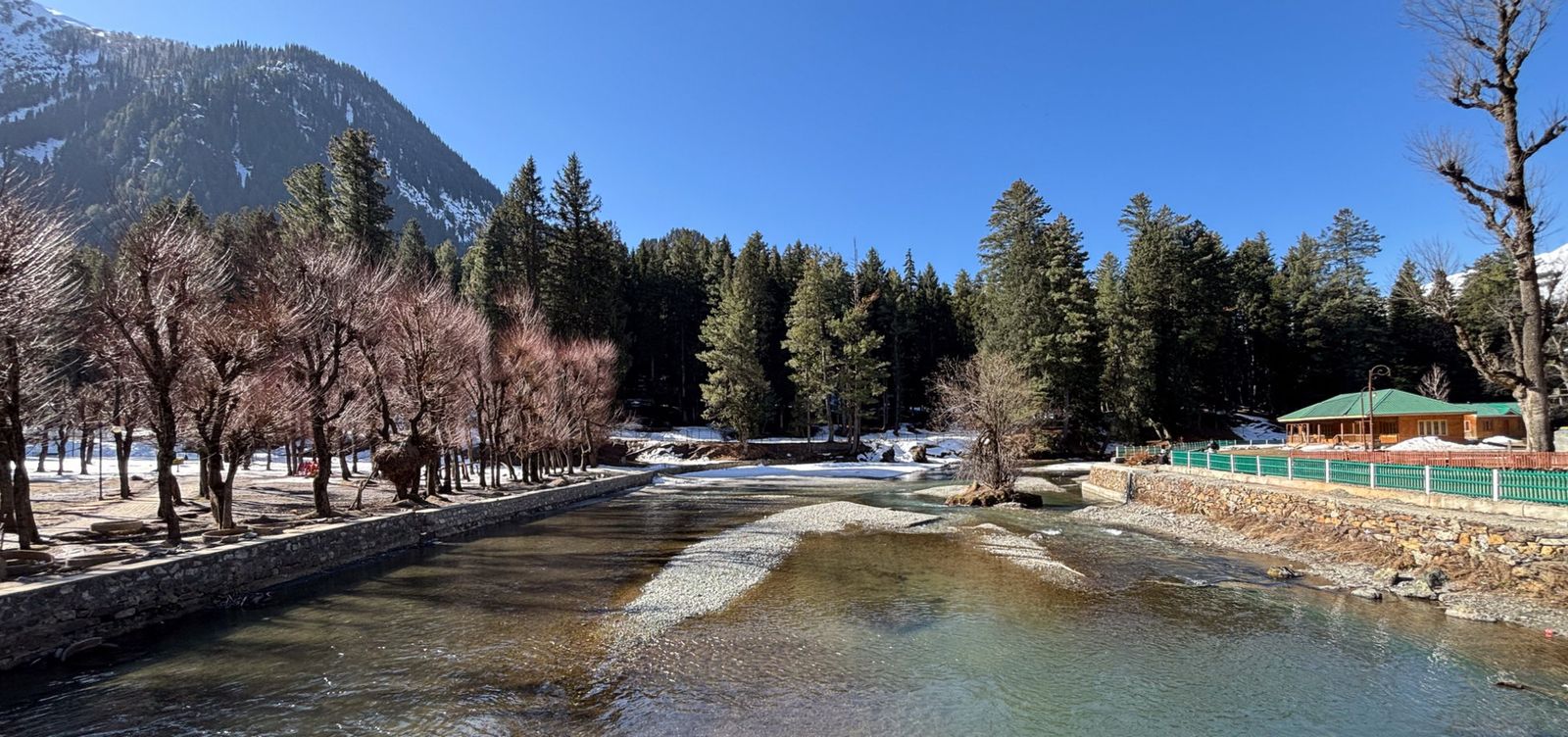
The Jammu and Kashmir government developed Betaab Valley as a public garden in the early 2000s, which means paved pathways now thread through portions of the meadow. Stone benches appear at intervals along the river, and a wooden bridge crosses the Lidder at a particularly photogenic bend. The development is restrained enough that it doesn't suffocate the place.
Cross the bridge and walk upstream, away from the main entrance, and the crowds drop off sharply. Fifteen minutes and you're standing in meadows where the only sound is wind sifting through pine needles and distant water. Horses graze untethered. The grass grows thick and ragged here, unlike the trimmed sections near the gate. This is where the valley drops its polite garden act and shows its actual temperament — a high-altitude floodplain with its own rhythms, indifferent to your plans.
For those with stronger legs, trails lead from the valley toward Aru and eventually toward the Kolahoi Glacier. These aren't casual strolls. The path gains elevation fast, and you'll want proper footwear. But even thirty minutes uphill gives you a perspective that reduces the whole valley below to something like a painted miniature.
When Timing Changes Everything
Most people arrive between May and September, and for good reason. Snow recedes, meadows bloom, daytime temperatures hover around a comfortable 20 degrees Celsius. But here's what the peak-season crowds won't tell you: late March and early April, when snow still patches the valley floor and the trees are barely greening, deliver the one thing summer can't. Silence.
During summer weekends, Betaab Valley absorbs heavy foot traffic from Pahalgam's tourist economy. Pony operators line the road, and the parking area fills by mid-morning. A weekday visit in shoulder season — late September works particularly well — gives you meadows washed in golden light with perhaps a tenth of the crowd.
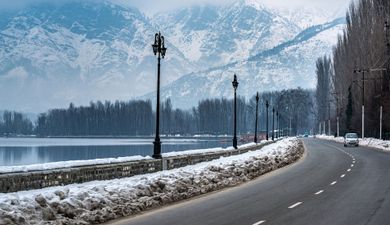
Winter transforms the valley completely. Snow buries the pathways, the river narrows under ice at its edges, and the surrounding peaks vanish into cloud. Access gets harder, but not impossible. If you're in Pahalgam during December or January, the drive alone is worth the cold.
Getting There Without Losing Your Patience
From Pahalgam's town center, Betaab Valley is a fifteen-minute drive along a well-maintained road that follows the Lidder River. Union taxis operate from Pahalgam's main stand, and the valley is included in most standard sightseeing packages covering Aru, Betaab, and Chandanwari. Expect to negotiate. The published rate and the first quoted price are rarely within shouting distance of each other.
Alternatively, the seven-kilometer walk from Pahalgam is genuinely worth it, tracing the river the entire way with barely perceptible gradient. You'll pass through small settlements where smoke curls from tin-roofed homes and children wave from stone walls. About ninety minutes at a relaxed pace, and you arrive having already absorbed the valley's context rather than simply materializing at its gate.
An entrance fee applies — typically modest, around 50 to 100 rupees depending on current rates. There are no formal food stalls inside, so carry water and snacks. Tea vendors occasionally set up near the entrance, and their kahwa — the traditional Kashmiri green tea steeped with saffron and almonds — is worth stopping for even if you're not thirsty. Especially if you're not thirsty.
Longer Than Any Movie
Betaab Valley could easily coast on its Bollywood association and its proximity to Pahalgam's tourist infrastructure. Instead, it quietly insists on being something else entirely. The river doesn't care about cinema. The deodar forests predate every human story told about this place. Stand on the wooden bridge in late afternoon, when the sun drops behind the western ridge and the valley fills with blue shadow, and you'll understand why someone first decided to point a camera here. The name came from a movie. The valley itself runs on a different clock — one set by glaciers, rivers, and an unreasonable quantity of green.