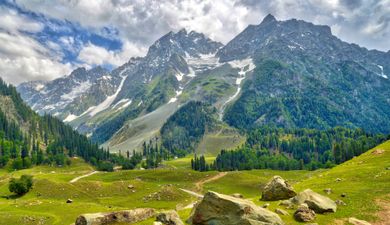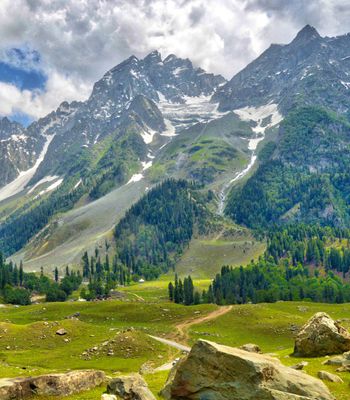
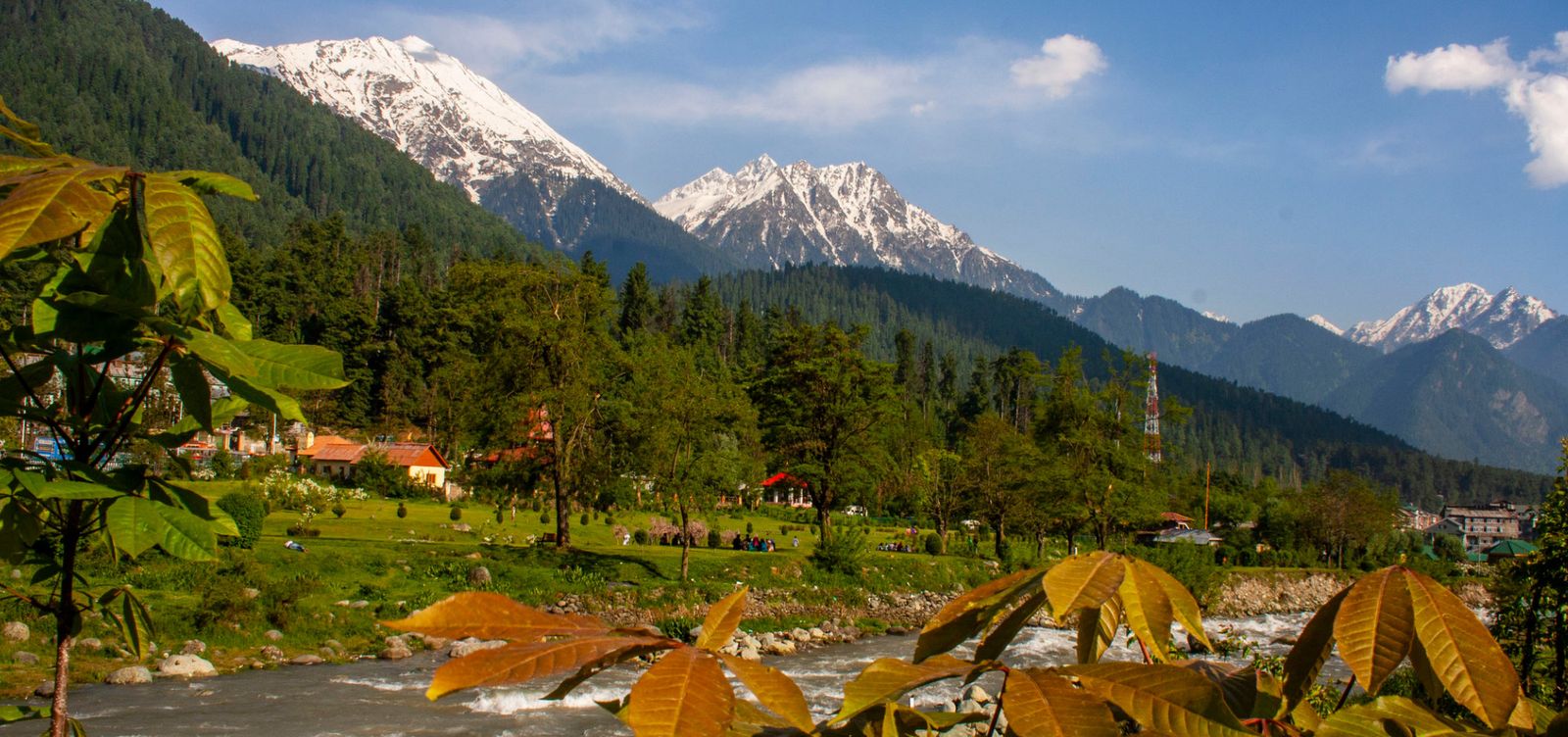
About five kilometers from Pahalgam's cluttered main bazaar, the pine forest thins and the ground opens into a wide alpine meadow that looks improbably green against the dark surrounding ridgeline. This is Baisaran, sometimes called Mini Switzerland by Indian travel brochures — a comparison that does it no favors and misses the point entirely. Baisaran doesn't need to be Switzerland. It's a high Kashmiri meadow at roughly 2,500 metres, where the grass grows thick between deodar cedars and the silence, once you've left the pony handlers behind, is so complete you can hear the wind change direction. The place isn't dramatic in the way a glacier or a canyon is dramatic. It's gentle. And that gentleness is precisely what makes it difficult to leave.
A Landscape That Earns Its Quiet
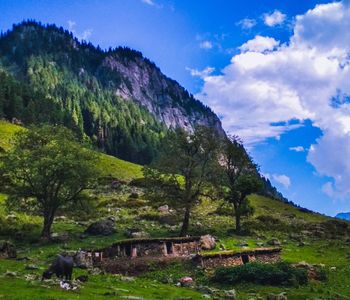
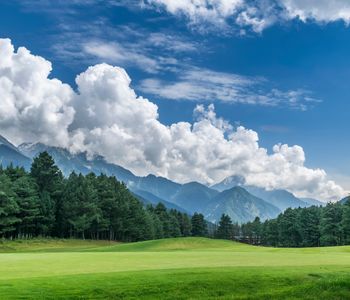
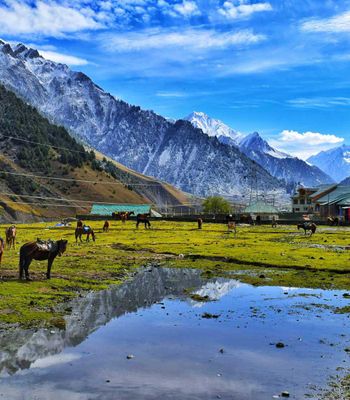
The meadow spreads out in an uneven bowl, flanked on three sides by densely forested hills. Deodar and pine trunks stand straight and close together, ringing the clearing like a dark curtain, filtering sunlight into long amber shafts in the early morning. The grass, particularly between April and June, reaches mid-calf and carries a sweetness you notice before you see the wildflowers scattered through it.
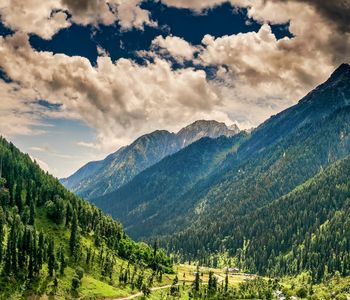
What strikes you first isn't the view outward but the view upward. The sky at this altitude holds a deeper blue than anything you've encountered on the Kashmir Valley floor, and clouds cross it with an almost theatrical slowness. South, the snowline of the Lidder Valley peaks locks your gaze. North, rolling green hills layer themselves into the distance without a single structure breaking the line.
Here's what no brochure will mention: the meadow has a slight depression in its center that collects morning mist. Arrive before 8 a.m. and you'll walk through a thin veil of fog while the surrounding treetops glow gold above you. By noon, that same ground is flat, bright, and entirely different in character. Same place, two moods, separated by a few hours.
Getting There Without Losing Your Patience
The trek from Pahalgam takes roughly ninety minutes on foot along a gradual forest trail. The path climbs steadily but never steeply, passing through sections of pine where the ground is soft with fallen needles. It's an honest walk — enough to warm your legs, not enough to test your lungs, unless you've just arrived from sea level and haven't acclimatized.
Pony rides dominate the route. Handlers will approach you at the trailhead near Pahalgam's main market with considerable persistence. Negotiate a price before you mount up — it saves frustration later. Expect to pay somewhere between 500 and 1,000 rupees for a round trip, though the figure shifts with the season and your bargaining resolve. The ride takes about forty-five minutes each way and offers a genuinely different perspective: you sit higher, move through the forest canopy at eye level, and notice birds you'd miss entirely on foot.
A rough jeep track connects Pahalgam to a point near the meadow, but the final stretch still requires walking. The jeep cuts the effort but adds dust and engine noise to what should be a gradual transition from town to wilderness. Walk. It's the better choice by a wide margin.
What the Meadow Actually Asks of You
Baisaran isn't an attraction in any conventional sense. There's no ticket counter, no monument, no museum placard explaining what you're looking at. What it offers is space — physical and psychological. You sit on the grass, watch the light shift across the hills, eat whatever you've packed, and do very little else. For travelers conditioned to check things off a list, this can feel like wasted time. It isn't.
The meadow connects to a network of trails leading further into the hills. One path continues toward Tulian Lake, a glacial body of water at around 3,400 metres that requires a full day's trek and reasonable fitness. Another winds toward the village of Laripora through dense forest. These routes see far fewer people and reward the curious with increasingly remote terrain.
Photography here is almost unfairly easy. Layered green hills, dark conifers, shifting cloud shadows — the compositions practically assemble themselves. Morning light from the east rakes across the meadow at a low angle, giving the grass an almost luminous quality. Late afternoon works nearly as well, though the western hills throw shadows across the clearing earlier than you'd expect.
When the Season Reshapes the Place
Spring, between late March and May, brings the meadow to its fullest expression. Wildflowers appear in clusters — small purple and yellow blooms carpeting the lower sections. The air carries a cool edge even at midday, and the surrounding peaks still hold generous snow. This is the window when Baisaran feels most itself.
Summer, from June through August, brings warmth and larger crowds, particularly during school holidays. The meadow remains beautiful, but the solitude evaporates. Monsoon rains from July onward turn the trail muddy and make the pony ride less pleasant. Autumn — specifically September and October — offers a compelling alternative: thinner crowds, golden light, and the first hints of color in the deciduous trees scattered among the pines.
Winter transforms everything beyond recognition. Snow buries the meadow entirely, and the trail becomes difficult without proper gear. Some local guides offer winter treks, but these require preparation and a tolerance for genuine cold. Temperatures drop well below freezing. The silence deepens into something almost uncomfortable in its completeness — a quiet so thorough it presses against your ears.
The Practical Stuff That Matters
There's no formal entry fee, though you may encounter informal toll requests along the pony trail — a local practice that's inconsistent but not unusual. Carry small denominations of cash for these moments and for any tea or snacks sold by seasonal vendors near the meadow's edge.
Pack water. There are no reliable facilities at the meadow itself, and the vendors who do appear charge significantly more than town prices. Comfortable walking shoes with some grip matter more here than hiking boots — the trail is forested and can be slippery after rain, but it isn't technical. Bring a light jacket even in summer. The altitude brings a noticeable chill the moment the sun dips behind the ridgeline, and the shift is faster than you'd think.
Pahalgam itself sits roughly 90 kilometres from Srinagar to the northwest. The drive takes around two and a half hours through the Lidder Valley, following the river upstream. Shared taxis and buses run regularly from Srinagar's main transport hub, though private hire gives you control over your schedule and the freedom to stop when the valley demands your attention — and it will, more than once.
Worth Every Step of the Climb
Baisaran won't overwhelm you. It won't make your jaw drop or leave you scrambling for superlatives. What it will do is slow your breathing, quiet the noise in your head, and remind you that the best places sometimes ask nothing of you except to show up and sit still. In a region crowded with famous destinations all clamoring for your camera, this meadow above Pahalgam doesn't compete. It simply waits there, green and unhurried, for anyone willing to walk an hour uphill to find it.