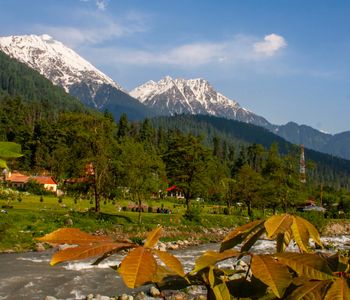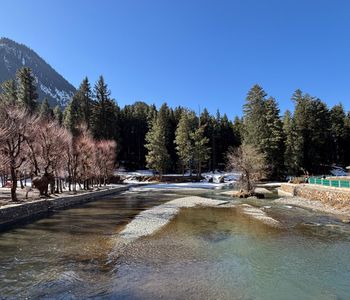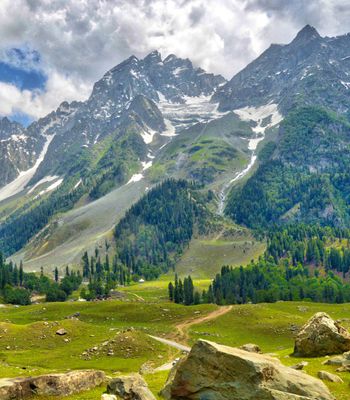
The first thing you notice at Lidderwat isn't the meadow or the mountains. It's the sound of the Lidder River — relentless, cold, tumbling over boulders with a force that makes conversation pointless until you've walked a few paces from the bank. This alpine campsite sits at roughly 9,500 feet in the Lidder Valley, about 11 kilometers upstream from Pahalgam, and reaching it requires a trek that will remind your legs they exist. There's no road here. No shops, no guesthouses with Wi-Fi passwords scrawled on cardboard. Lidderwat is what happens when you strip a destination down to grass, water, sky, and the faint smell of pine resin carried on wind that hasn't passed through a single city.
For trekkers heading toward Kolahoi Glacier or Tarsar Lake, Lidderwat functions as a critical overnight halt. For everyone else, it's simply one of the most honest landscapes in Kashmir — a meadow content to be nothing more than a meadow, and that turns out to be entirely sufficient.
The Walk That Earns the View
You begin at Aru Village, a small settlement about 12 kilometers from Pahalgam proper, reachable by taxi or shared jeep along a road that bounces through deodar forests with the enthusiasm of a drum solo. From Aru, the trail to Lidderwat runs roughly 6 to 7 kilometers, depending on which path your guide favors. Don't let that modest number deceive you. The terrain gains elevation steadily, crossing rocky patches, muddy stretches after rain, and several wooden bridges thrown across streams that feed the Lidder.
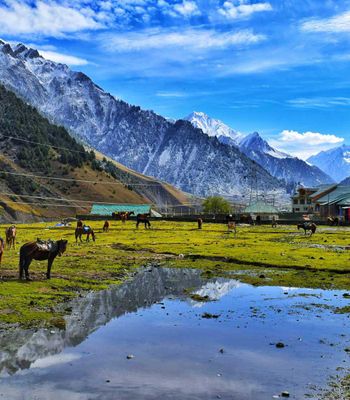
Ponies are available for hire at Aru if you'd rather let someone else handle the uphill. Most locals charge a negotiable fee per animal, and frankly, those ponies know this trail better than any map does. They pick their way across loose stone with an indifference that borders on performance art.
Three to four hours at a comfortable pace and the forest canopy shifts around you — birch trees appear at higher elevations, their white bark peeling in thin sheets like old wallpaper in an abandoned house. The undergrowth thins. Then the trees part, and Lidderwat opens before you like an exhalation.
A Meadow That Refuses to Perform
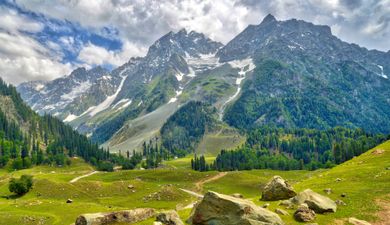
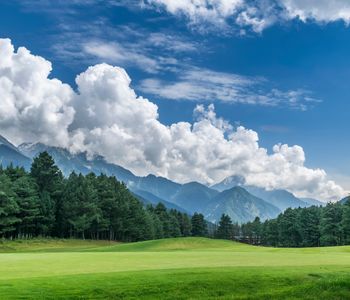
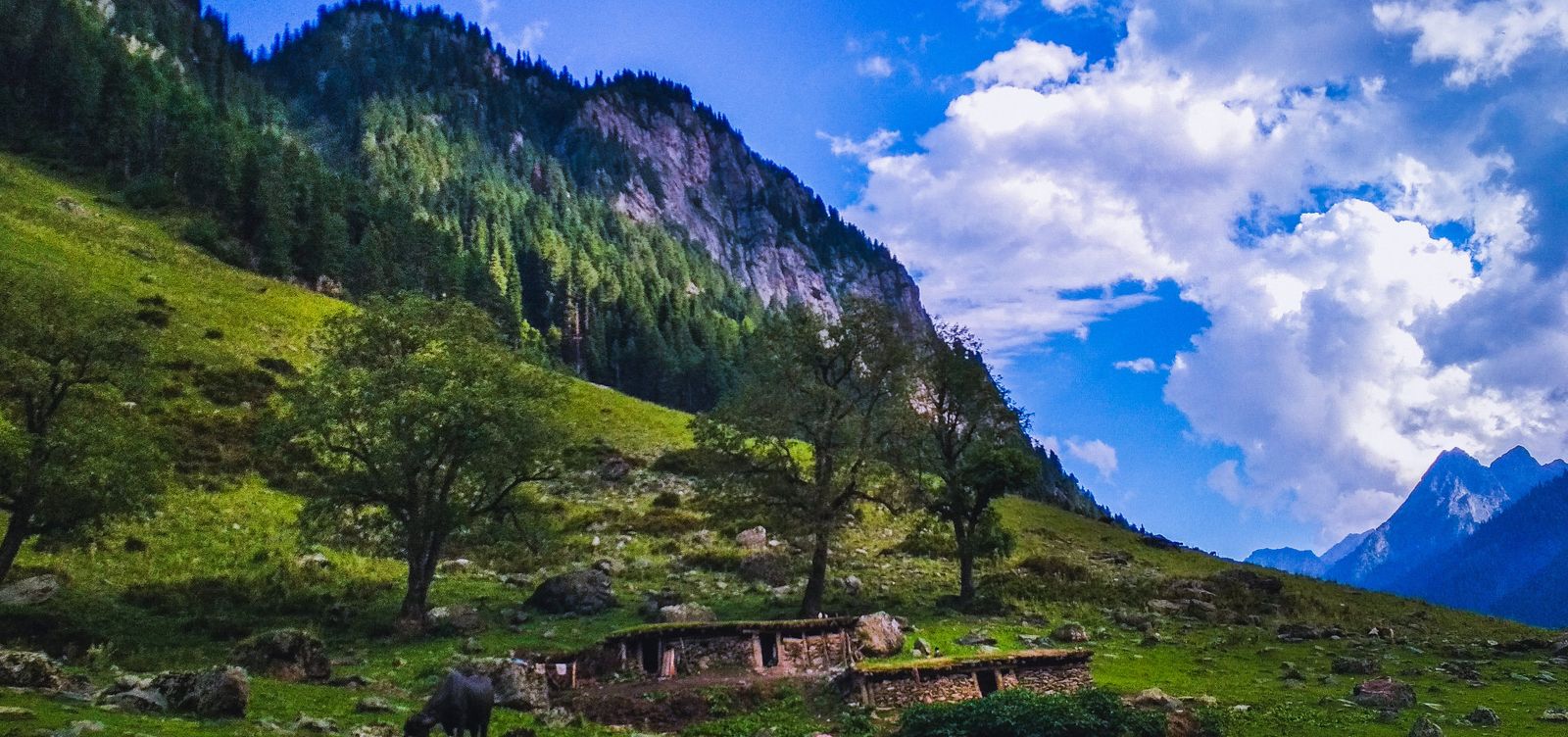
Lidderwat's central meadow is flat, wide, and almost absurdly green during summer months. It sits in a natural bowl formed by surrounding ridges, which means the wind drops once you're inside the campsite. Wildflowers scatter across the grass in June and July — small yellow and purple blooms that no one seems to have catalogued with much urgency. The Lidder River cuts along one edge, shallow enough to wade in but cold enough to make you regret it within seconds.
Here's the thing about Lidderwat that surprised me: it's more striking in overcast weather than in full sunshine. When clouds settle low against the ridgeline, the meadow takes on a luminous quality, the green deepening to something almost artificial — the color of a retouched photograph, except it's just weather doing its work. Bright sun flattens the scene. Gray skies give it depth.
There are no permanent structures. Gujjar shepherds pass through with their flocks during warmer months, setting up temporary shelters and offering fresh milk or buttermilk to anyone who stops to rest. These brief exchanges — a metal cup of warm milk, a few words in a mix of Kashmiri and Urdu — carry more weight than any souvenir shop could manufacture.
Camping Under a Sky You Forgot Existed
Most trekkers pitch tents at Lidderwat for at least one night, and the camping experience is raw in the best sense. You're sleeping on ground that slopes gently, the river's roar a constant presence that somehow becomes silence after an hour. Bring a sleeping bag rated for near-freezing temperatures even in July — nights at this elevation plummet once the sun drops behind the western ridge.
If you've arranged your trek through an outfitter in Pahalgam, they'll typically provide tents, cooking equipment, and a guide who doubles as camp cook. Expect simple meals: rice, dal, vegetables, and roti prepared over a portable gas stove. The food tastes better than it has any right to, which is what four hours of walking uphill and thin air do to a palate that's spent the rest of the year being picky.
After dark, the sky fills in stages. Stars appear tentatively, then all at once, as though someone flipped a switch backstage. Without light pollution for dozens of kilometers in any direction, the Milky Way presents itself with an almost aggressive clarity. You'll lie there in your tent, listening to the river, watching the nylon ceiling ripple, and understand precisely why people walk for hours to sleep on the ground.
Gateway to Higher Ground
Lidderwat isn't just a place to stop — it's a crossroads. From here, the trail pushes northeast toward Kolahoi Glacier, Kashmir's largest, which sits at the base of Mount Kolahoi at over 16,000 feet. That onward trek adds another 9 or 10 kilometers of increasingly demanding terrain, and most trekkers spend a second night at a higher camp before approaching the glacier itself.
Another route branches toward Tarsar and Marsar Lakes, a pair of alpine lakes that have drawn trekkers for decades. Tarsar, the more accessible of the two, sits in a cirque surrounded by steep grassland that turns gold in September — the kind of gold that makes you understand why painters obsess over Kashmir in autumn. The trek from Lidderwat to Tarsar takes roughly five to six hours and crosses a high ridge that delivers one of the most commanding views in the entire Lidder Valley.
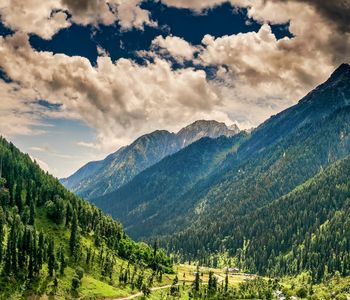
Even if you go no farther than Lidderwat itself, the meadow rewards a full day of unhurried wandering. Follow the river upstream for a kilometer and you'll find pools deep enough for a bracing dip. Scramble up the low ridge to the south and the entire valley reveals its geometry — a long green corridor hemmed by snowcapped peaks that hold their white well into June.
When to Go and What to Carry
The trekking season runs from May through October, with June through September offering the most reliable weather. July and August bring monsoon moisture — afternoon showers are common, the trail gets slick, and your boots will earn their keep. Early June and late September tend to be drier, though colder once the sun goes down.
Pack layered clothing, waterproof boots with ankle support, and a rain jacket you actually trust — not the one that's been balled up in a closet for three years. Trekking poles help on the rockier stretches between Aru and Lidderwat. Carry water purification tablets; the river water looks pristine but runs through grazing land. Sunscreen matters more than you'd expect at this altitude, where the UV intensity catches fair-skinned trekkers off guard by midmorning.
No permits are currently required for the Lidderwat trek, though regulations can shift. Check with the Pahalgam tourism office before departing. Hiring a local guide is strongly recommended — not because the trail is technically difficult, but because route markings are sparse and weather in the Lidder Valley can change faster than your phone can load a forecast.
The Quiet That Follows You Home
Lidderwat doesn't dazzle you with monuments or curated experiences. It doesn't try. What it offers instead is rarer — an unmediated encounter with a landscape that has no interest in impressing anyone. The river runs. The grass grows. The mountains hold their positions, indifferent to whether you've brought a camera.
You walk in, spend a night or two under an enormous sky, and walk out carrying something you didn't pack. A certain stillness that takes weeks to fade. Go to Lidderwat before it appears on too many itineraries, while the meadow still belongs mostly to the shepherds, the ponies, and the wind.