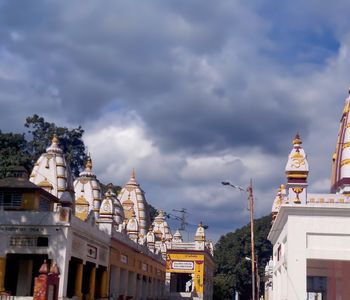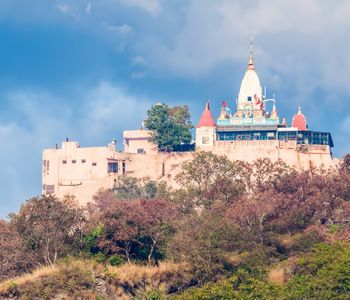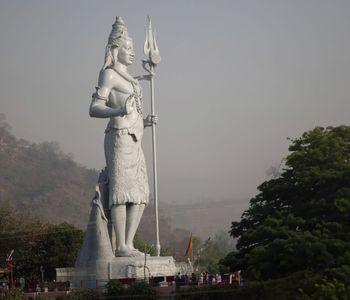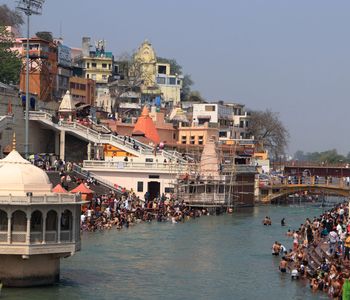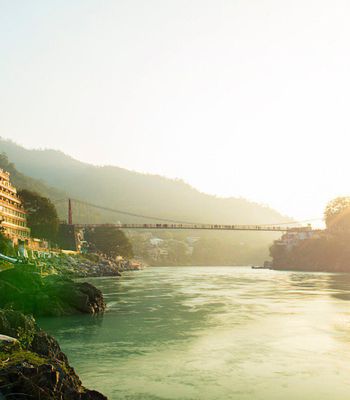
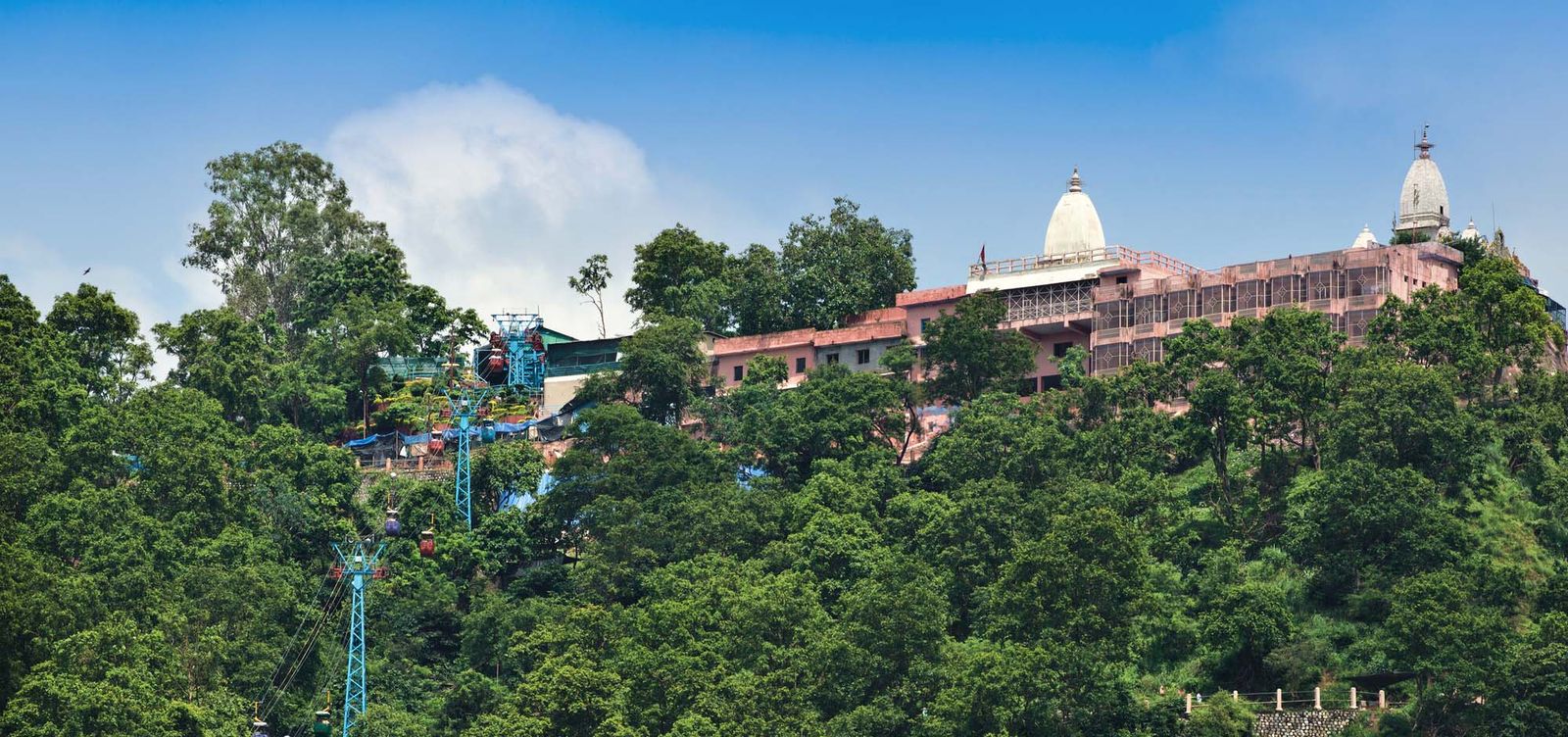
The cable car lurches gently forward, and suddenly the rooftops of Haridwar fall away beneath you — a sprawl of temple spires, sun-bleached ghats, and the silver ribbon of the Ganges unspooling toward the horizon. Ahead, rising from the dense green folds of the Shivalik Hills, sits the Mansa Devi Temple, one of Northern India's most powerful Siddh Pithas, where devotees believe heartfelt wishes spoken before the goddess are truly granted. Every year, millions make this ascent — some in silent prayer, others simply drawn by the magnetic pull of a place where faith feels almost tangible in the thin hilltop air. Dedicated to Goddess Mansa Devi, a fierce and compassionate form of Shakti, this shrine rewards every visitor — pilgrim or wanderer — with something rare: a moment where spirituality, sweeping natural beauty, and centuries of human devotion converge on a single breathtaking summit.
A Goddess Born from the Mind of Shiva
Her name tells you everything. "Mansa" comes from the Sanskrit word for wish, and Goddess Mansa Devi — the mind-born daughter of Lord Shiva — has been the keeper of human desires for centuries. Generations of devotees have climbed this hill carrying prayers for health, prosperity, and fulfillment, trusting that a sincere heart never leaves empty.
Pinpointing exactly when worship began here is nearly impossible — the temple has been rebuilt and restored many times across the ages. What's certain is its place among Haridwar's Panch Tirth, the five sacred pilgrimages that form the spiritual skeleton of the city. That designation alone speaks volumes about the weight this hillside shrine carries.
Look closely when you arrive, and you'll notice something beautiful: hundreds of colorful threads knotted to the branches of trees throughout the temple complex. Each thread is a wish, tied by a devotee and left as a promise. When the wish comes true, they return to untie it. The sight of all those fluttering threads — red, orange, gold — is quietly moving, a living archive of hope and gratitude.
Stone, Spire, and Sacred Stillness
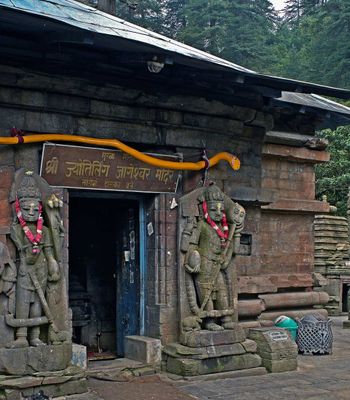
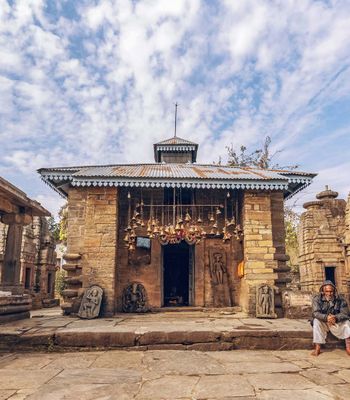
Don't expect the soaring gopurams of South India here. The Mansa Devi Temple speaks a quieter architectural language — traditional North Indian in style, with a prominent shikhara rising above the main sanctum like a stone flame. Warm-toned exterior walls glow against the hillside greenery, especially in the honeyed light of early morning.
Step inside, and you'll encounter two striking idols of the goddess. The first shows Mansa Devi with three mouths and five arms — a vision of concentrated divine power that stops you mid-step. The second depicts her with eight arms, each cradling a sacred object symbolizing protection and blessing. The air in the sanctum hums with murmured prayers and the faint sweetness of marigold garlands.
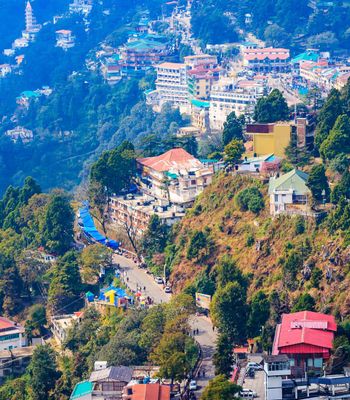
Outside, open courtyards and smaller shrines invite you to slow down. At roughly 178 meters above Haridwar, these terraces serve up unobstructed views — the city's labyrinth of lanes, the ghats crowded with tiny figures, and the Ganges curving away into the haze. If you're carrying a camera, linger here. Few vantage points in the region rival this one.
Two Ways Up — Choose Your Adventure
The quickest route? Board the Mansa Devi Udankhatola, the Aerial Ropeway that departs from a base station near Har Ki Pauri. In about five minutes, you'll glide above Haridwar's rooftops, watching temples and bustling market streets shrink below. Tickets are budget-friendly, and the service runs throughout temple hours.
But there's something to be said for earning the summit on foot. The traditional trekking trail stretches roughly 1.5 kilometers up a well-maintained path with stone steps cut into the hillside. During peak pilgrimage season, this route transforms into something electric — the rhythmic sound of devotional chanting rising around you, smoke from incense sticks curling between the trees, vendors offering coconut and vermillion for temple offerings. Budget 30 to 45 minutes for the climb, and wear sturdy walking shoes — certain stretches tilt steeply upward.
Getting to Haridwar itself is straightforward. Haridwar Junction railway station lies just a few kilometers from the cable car base. Trains and buses from Delhi cover the distance in roughly five to six hours. Flying in? Jolly Grant Airport in Dehradun, about 35 kilometers away, is your closest option.
When the Light — and the Timing — Are Just Right
Gates swing open at 5 a.m. in summer, closing around 9 p.m. Winter hours shift slightly: 6 a.m. to about 8 p.m. The secret to a serene visit? Arrive early. The first hour after opening belongs to the devoted few, and the morning sun catches the hills in soft gold before the midday crowds descend.
October through March delivers the most comfortable conditions — mild temperatures, clear skies, and that crisp winter light that makes the Ganges shimmer. Summer brings real heat, though the hilltop elevation takes the edge off. Steer clear of heavy monsoon rains between July and September, when the trekking trail turns slick and unpredictable.
Two windows in the calendar transform this temple into something truly extraordinary. During the Navratri festivals — nine sacred nights in spring and autumn — the complex erupts with elaborate rituals, marigold garlands cascading from every surface, oil lamps flickering in the dark, and a sea of devotees moving together in song. The energy is overwhelming, joyful, and deeply human. If large crowds don't faze you, these festivals offer a glimpse of Hindu devotion at its most fervent and unforgettable.
The Spiritual Heart of a Holy City
Haridwar ranks among the seven holiest cities in Hinduism, and the Mansa Devi Temple beats at its spiritual core. Most pilgrims weave this shrine into a larger sacred circuit — Har Ki Pauri's ancient ghats, the Chandi Devi Temple across the river, and the countless smaller sanctuaries that line the banks of the Ganges.
Its Siddh Pitha status draws believers from every corner of India and well beyond its borders. That centuries-old reputation — that a wish offered here with genuine devotion will be answered — has never faded. Yet even travelers with no particular religious connection often describe something unexpected at the summit: a deep, settling calm that seems to rise from the landscape itself, the altitude, the wide-open sky, and the quiet resonance of a million prayers absorbed into the stone.
Before You Go: What Every Visitor Should Know
Entry to the temple costs nothing — only the cable car carries a nominal fee. Remove your shoes before stepping into the main sanctum; designated storage areas are available near the entrance. Dress modestly out of respect for worshippers around you.
Cameras and phones are generally welcome in the outer courtyards but restricted near the inner shrine — watch for posted signs. Keep an eye on the resident monkeys along the trail and temple grounds. They're mostly harmless, but they have a keen eye for unguarded snacks and anything shiny, so stash food in your bag and skip the dangling jewelry.
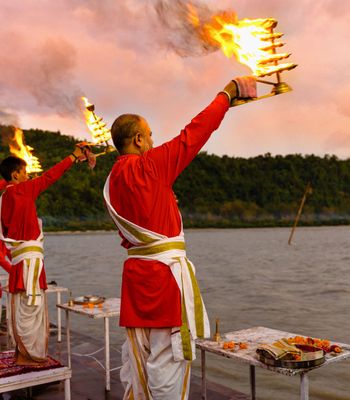
Here's the perfect Haridwar day: start with the Mansa Devi Temple at dawn, cross to the Chandi Devi Temple by midday, then close the evening at Har Ki Pauri, where the Ganga Aarti ceremony sets the river ablaze with floating flames and the sound of temple bells fills the darkening sky. With its commanding hilltop throne and centuries of whispered wishes clinging to its trees, the Mansa Devi Temple isn't just a stop on an itinerary — it's the moment Haridwar reveals exactly why it's been called sacred for thousands of years.