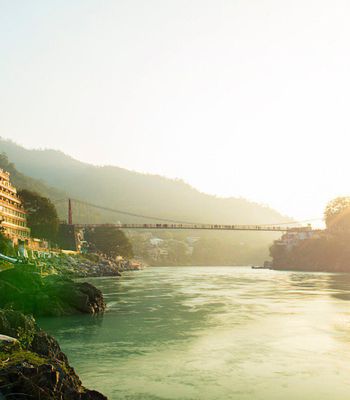
The roar of the Ganges fades to a whisper here. At Saptrishi Ashram, perched on the quiet northern banks of India's holiest river in Haridwar, the water seems to know something the rest of the world has forgotten — how to be still. According to ancient Hindu texts, this is where seven great sages, the Saptrishis, once sat in meditation so profound that the mighty Ganges herself split into seven gentle streams rather than disturb their penance. Thousands of years later, that hush still lingers. While the ghats of central Haridwar pulse with chanting crowds and clanging bells, Saptrishi Ashram holds its breath — a pocket of calm where the river laps softly against worn stone steps and the only soundtrack is birdsong and the low murmur of prayer. Whether you carry deep devotion or simple curiosity, this place has a way of slowing your heartbeat to match its own unhurried rhythm.
Seven Sages, Seven Streams: The Legend That Shaped This Ground
Hindu tradition venerates the Saptrishis — Kashyapa, Vashishta, Atri, Vishwamitra, Jamadagni, Bharadwaja, and Gautama — as cosmic sages of extraordinary wisdom and spiritual power. Their names thread through ancient scriptures like golden filaments, and this very stretch of riverbank is where they reportedly chose to perform their deepest austerities.
Here's the part that gives you chills: the thundering Ganges, wild and untamed, threatened to shatter their concentration. So the river goddess, recognizing the sanctity of their practice, divided herself into seven slender, silent channels — flowing past the sages as gently as a mother tiptoeing past a sleeping child. That divine act gave the site its name, and once you know the story, you feel it everywhere. The unusually calm current. The way sound seems to soften near the water's edge. Suddenly you're not just visiting a religious site — you're standing inside a living myth.
Centuries of Seekers: A History Written in Devotion
Long before any walls went up, this riverbank drew ascetics and wandering mystics who slept under open skies and meditated until dawn bled gold across the Himalayas. The mythological roots stretch back millennia, but the physical ashram has evolved through waves of construction and renovation, shaped by religious leaders and local patrons who refused to let the site's spiritual legacy fade.
What's remarkable is how the ashram has kept its contemplative soul intact even as Haridwar exploded into one of India's most visited pilgrimage cities. Colonial-era scholars documented its importance. Modern religious figures championed its preservation. Today, a dedicated management team oversees daily worship, tends the grounds, and welcomes pilgrims with quiet hospitality — continuing a chain of stewardship that stretches back further than anyone can precisely measure.
Where Simplicity Becomes Its Own Kind of Grandeur
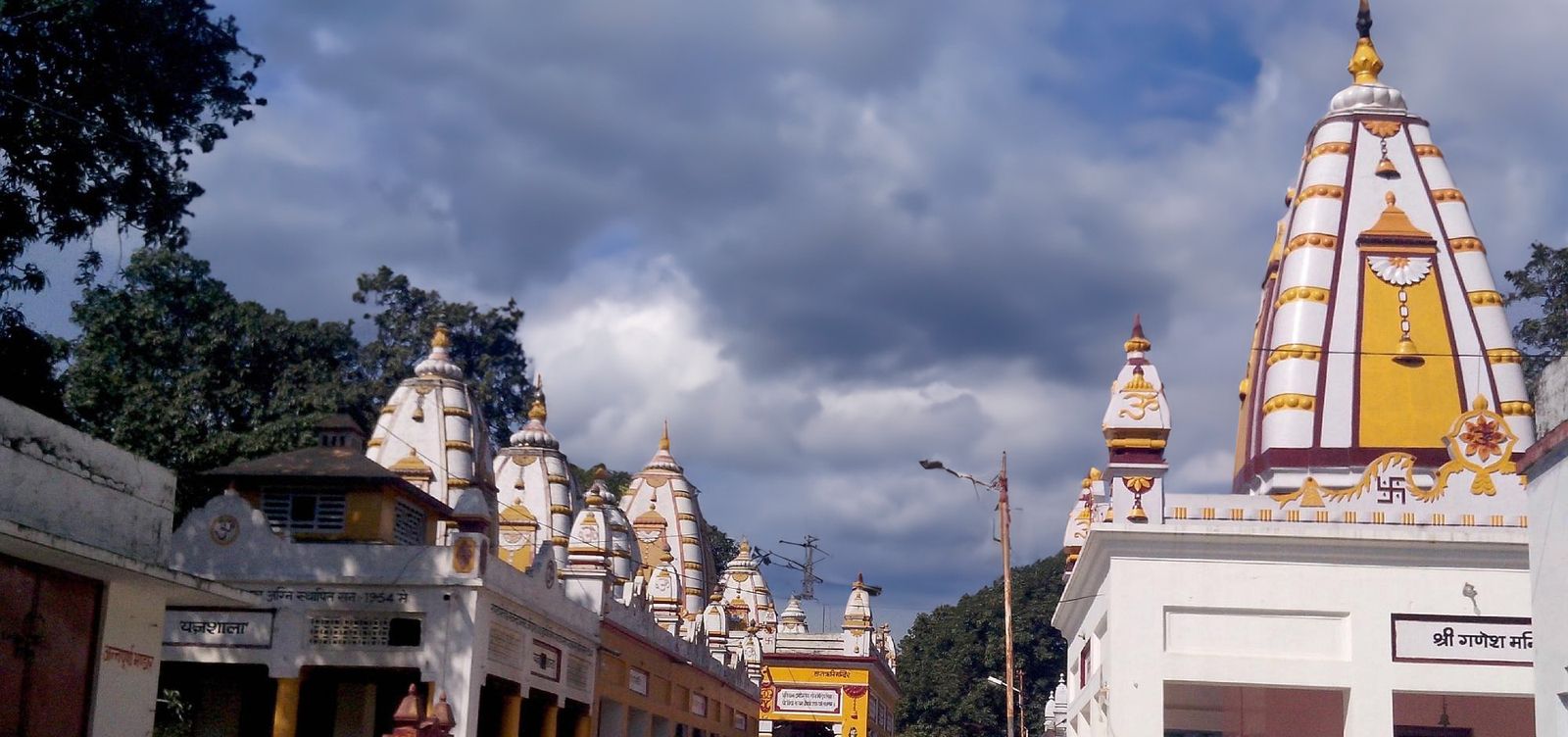
Don't come expecting soaring gopurams or gold-leafed domes. Saptrishi Ashram speaks in a softer architectural language — functional, modest, built for turning inward rather than gazing upward. A central temple houses idols and shrines dedicated to the seven sages, its interior walls alive with colorful depictions of Hindu deities that seem to glow in the filtered light.
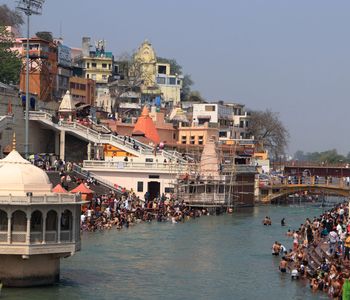
Step outside, and manicured gardens unfold toward the Ganges along neat stone pathways. Down at the water's edge, you'll notice the difference immediately — the river runs calmer and cleaner here than at the crowded Har Ki Pauri ghat downstream. Worn stone steps descend right into the current, where pilgrims dip their hands, splash sacred water over their heads, and whisper prayers that the breeze carries away. Arrive in the early morning golden hour or just before sunset, and the ashram's spare lines against the flowing river and distant purple hills will make your camera work overtime.
A Flame on the Water: Spiritual Rituals That Stay With You
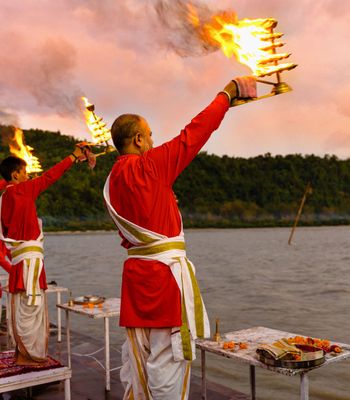
Haridwar ranks among Hinduism's seven holiest cities, and Saptrishi Ashram pulses quietly at the heart of that sacred identity. Pilgrims come to meditate, seek blessings, and join the ashram's daily evening aarti — a fire ritual performed right at the river's edge that feels worlds apart from the massive, tourist-thronged ceremony at Har Ki Pauri.
As dusk settles, priests begin chanting Vedic hymns, their voices rising and falling like the river itself. Flaming lamps arc toward the water, and each flickering tongue of fire doubles on the dark surface below. Brass bells ring out, filling the cooling air with a metallic sweetness that vibrates in your chest. For many travelers, this intimate ceremony — no jostling crowds, no loudspeakers — becomes the single most unforgettable moment of their time in Haridwar. During major festivals like Kumbh Mela and Makar Sankranti, thousands of additional devotees pour in to bathe in the sacred waters near the ashram, transforming the quiet banks into a tide of faith.
Stillness as Practice: Meditation and Yoga by the Ganges
True to its origins as a sanctuary for deep contemplation, the ashram welcomes anyone who wants to sit, breathe, and simply be. Unroll a mat on the riverside grounds, close your eyes, and let the soft rush of water replace every thought buzzing through your mind. Some travelers arrive planning to stay an hour and find themselves still sitting cross-legged three hours later, soaking in an atmosphere that centuries of unbroken devotion have quietly charged with something you can't name but absolutely feel.
Your Visit, Sorted: Everything You Need to Know
Saptrishi Ashram sits roughly 5 kilometers upstream from the main Haridwar railway station, on the city's quieter northern outskirts. Gates open daily from early morning through evening, and there's no formal entry fee — though a small donation goes a long way toward supporting the ashram's upkeep and religious activities.
For the most magical experience, arrive at dawn. The grounds are nearly empty, mist curls off the Ganges, and soft golden light pours across the water like honey. Alternatively, time your visit for the evening aarti and let firelight close out your day. Because this remains an active place of worship, dress modestly — cover your shoulders and knees — and slip off your shoes before entering the temple area. Keep your voice low, especially during prayer times. The silence here isn't enforced; it's earned.
Finding Your Way There
From central Haridwar, hop into an auto rickshaw, taxi, or shared tempo — the ride takes about 15 to 20 minutes, depending on traffic. Feeling adventurous? Walk the riverside path from the city center for a more immersive journey, though you'll want sturdy shoes and plenty of water as it's a considerably longer trek. If you're traveling from Delhi, Haridwar is reachable by train, bus, or car in roughly five to six hours by road.
When the Weather Works in Your Favor
Between October and March, Haridwar's climate is at its kindest — crisp mornings, warm afternoons, and cool evenings perfect for lingering by the river. Summer months from April through June bring punishing heat, with temperatures regularly climbing past 100°F, turning outdoor exploration into an endurance test. Monsoon season (July to September) unleashes heavy rains that can leave riverbanks slippery and occasionally off-limits, so plan accordingly.
Beyond the Ashram: A Full Day of Haridwar's Best
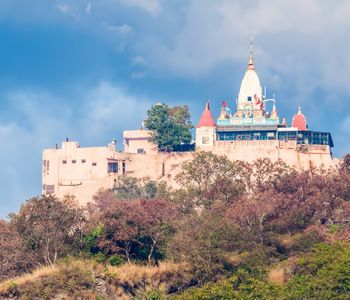
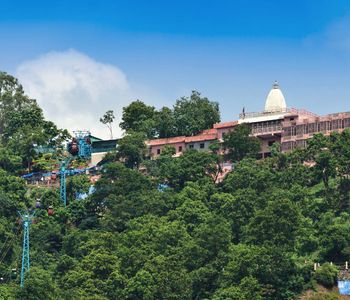
Since Saptrishi Ashram sits slightly outside the city center, it pairs beautifully with other nearby landmarks. The legendary Har Ki Pauri ghat is a short ride away and delivers a completely different energy — surging crowds, thundering chants, and a grand aarti ceremony that feels like the whole city is praying at once. Meanwhile, the Chandi Devi and Mansa Devi temples, both accessible by cable car, reward the journey with sweeping panoramic views of Haridwar's rooftops, the winding Ganges, and the Himalayan foothills beyond.
Here's a day plan that works beautifully: begin at Saptrishi Ashram in the quiet morning light, ride the cable cars to the hilltop temples around midday, then end your evening at Har Ki Pauri as hundreds of flaming lamps float downstream during the grand aarti. You'll move from deep stillness to soaring heights to electric spectacle — a rhythm that captures the full heartbeat of this sacred city.
In a place as vibrant and overwhelming as Haridwar, Saptrishi Ashram is a gift — a few hours of river-cooled air, ancient legend, and unhurried silence that recalibrate something inside you. Spend even a short while on these banks, and you'll leave carrying a quieter, deeper understanding of the traditions that have drawn seekers to the Ganges for thousands of unbroken years.