Everyone comes to Srinagar for Dal Lake. The postcards say so. The tour operators confirm it. And yet, barely a kilometer away, separated by a narrow causeway and a curtain of ancient chinars, Nigeen Lake sits in a stillness so complete you can hear a shikara paddle break water from a hundred meters off. Smaller, deeper, and far less commercialized than its famous neighbor, Nigeen is what Dal might have been without decades of tourist infrastructure pressing against its shores. The water here runs clearer — genuinely clear, not optimistically described as such — and the surrounding willows lean so far over the surface they seem to be checking their own reflections. If Dal Lake is Srinagar's living room, Nigeen is its private courtyard.
A Lake That Keeps Its Own Counsel
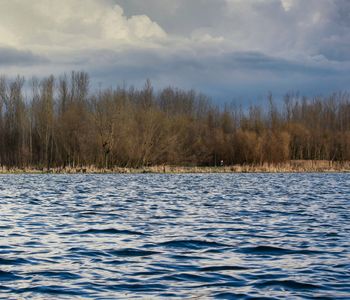
Nigeen stretches roughly 2.7 square kilometers, a fraction of Dal's sprawl. That modest size works in its favor. The lake holds a depth of around 4 meters in its central basin, making it one of the deeper freshwater lakes in the Kashmir Valley. Aquatic weeds, which have slowly choked portions of Dal, remain more controlled here, and on a calm morning the water takes on a greenish-blue clarity that feels almost alpine.
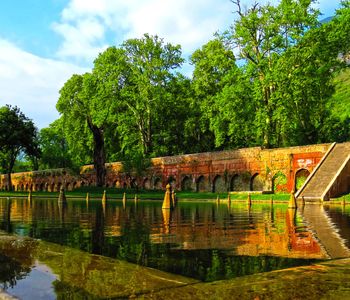
Towering chinar and willow trees define the perimeter, their canopy setting the shoreline ablaze with copper and amber come autumn. In summer, lotus blooms dot the quieter edges, pink heads barely breaking the surface. The air carries the faint mineral scent of fresh lake water braided with whatever wood smoke is drifting from a nearby houseboat kitchen. Urgency doesn't survive long here.
Life on the Water, Not Around It
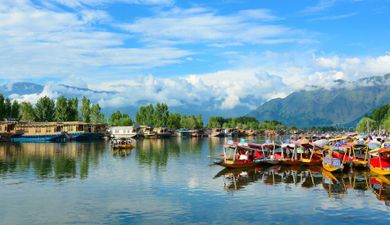
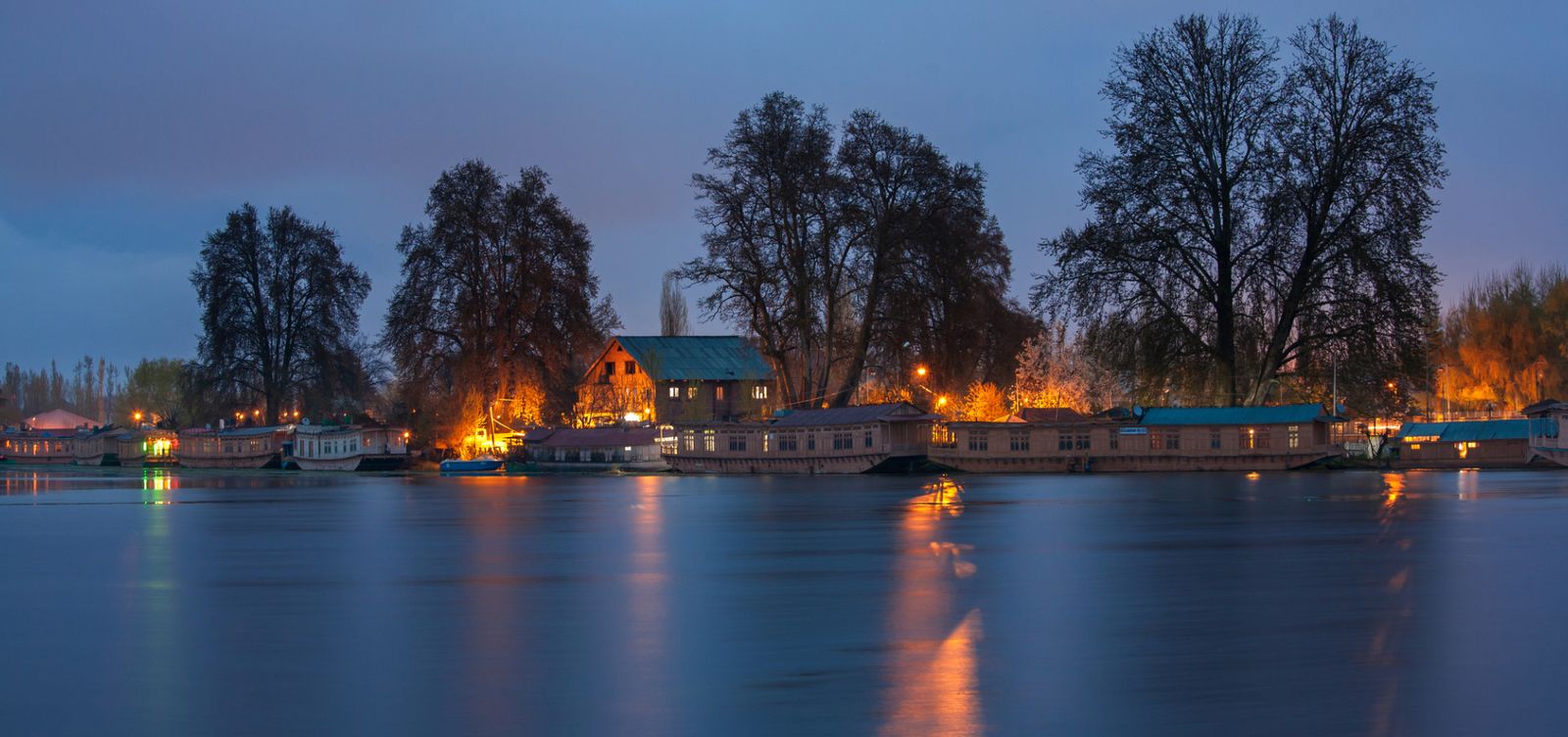
Nigeen's houseboats are the lake's defining feature — and its most honest accommodation. Unlike the tightly moored rows along Dal's Boulevard Road, houseboats on Nigeen float with breathing room between them, anchored along the western and northern shores where the tree cover is densest. Many of these vessels have been family-owned for three or four generations, their cedar interiors hand-carved in patterns that take months to complete.
Staying aboard one is a curious inversion of normal travel. The world moves around you — kingfishers diving at dawn, vegetable vendors paddling past with shikaras loaded with tomatoes and lotus root — while you remain perfectly still, drinking kahwa on a sun-warmed deck. The silence at night is the kind that city-dwellers find almost unsettling. No traffic hum. No generators. Just the occasional slap of water against the hull.
One detail catches most first-time visitors off guard: the houseboats don't move. They're permanently moored, connected to the shore by small wooden gangways. You're not drifting anywhere. The lake simply absorbs you in place.
Where the Shikaras Still Mean Something
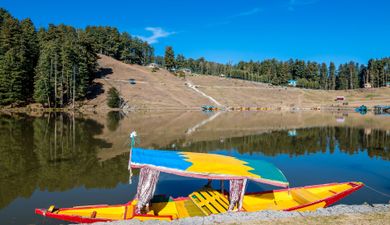
On Dal, shikara rides have become a transaction — fixed routes, fixed prices, fixed commentary. On Nigeen, a shikara ride still carries the feel of actual transportation. Local boatmen navigate narrow channels between the houseboats, ferrying residents and guests through corridors of overhanging branches where sunlight arrives in broken fragments.
A full circuit takes about ninety minutes at a leisurely pace. Ask your boatman to thread the connecting channel into Dal Lake, and you'll pass through a stretch where lotus fields grow thick on both sides, the passage barely wide enough for two shikaras to cross. It's the most photogenic transition in Srinagar, and most photographers miss it entirely because they never leave Dal's main basin.
The Families Between Two Lakes
The communities around Nigeen are predominantly families who've worked the water for centuries — boatmen, houseboat owners, and market gardeners who cultivate floating vegetable plots called rad. These rad gardens, built on compacted layers of lake vegetation and anchored to the lakebed with long poles, produce much of Srinagar's fresh produce. Watching a farmer paddle out to tend his floating field of cucumbers at six in the morning is one of those scenes that quietly dismantles everything you thought you knew about agriculture.
The neighborhood of Nigeen, which shares its name with the lake, has a quieter residential character than the areas flanking Dal. Small bakeries sell tsot, the traditional Kashmiri bread, from early morning. Tea stalls along the causeway serve nun chai, the pink salt tea that visitors either embrace or politely set down after one sip. The flavor is savory and faintly chalky — an acquired taste that rewards persistence.
Four Lakes in One
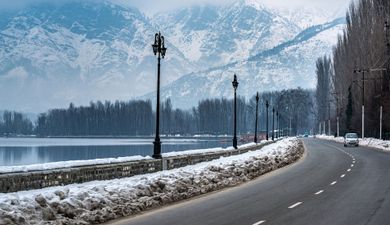
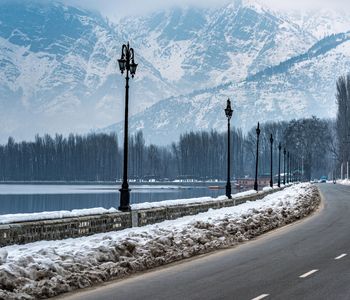
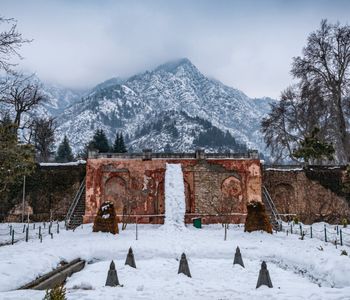
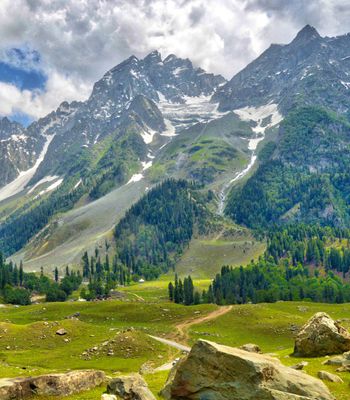
Nigeen transforms so thoroughly between seasons that returning visitors sometimes struggle to recognize it. Winter drapes the surrounding peaks in snow, and on frigid January mornings, a thin film of ice forms at the lake's shallow edges. The houseboats run bukhari stoves, their chimneys sending thin columns of smoke into still, grey air. The cold is serious — temperatures dip below freezing — but the lake's winter stillness has a stark, almost monastic quality.
Spring arrives in March with an explosion of almond blossoms along the southern shore. By April, the willows are vivid green again, and the water warms enough for swimming, though few tourists take the invitation. Summer peaks from June through August, when the lake reaches its busiest — though "busy" on Nigeen means perhaps a dozen shikaras in view rather than two. Autumn, between late September and November, is arguably the finest season. The chinars turn, the crowds thin, and the light drops to a golden angle that makes the lake look like a painting someone forgot to finish.
Arrivals and Practicalities
Nigeen Lake sits about 8 kilometers from Srinagar's Sheikh ul-Alam International Airport, a drive that takes roughly thirty minutes depending on traffic through the city center. Auto rickshaws and taxis both make the trip, though arranging a pickup through your houseboat owner is the simplest option — most will send a car or have a shikara waiting at a designated ghat.
There's no formal entry fee. Shikara rides are negotiable, but expect to pay between 500 and 1,000 rupees for an hour-long ride, depending on the season and your willingness to bargain. Houseboat stays range widely, from modest vessels at around 2,000 rupees per night to elaborately carved deluxe boats that charge several times that. Meals aboard — typically Kashmiri rice dishes, rogan josh, and fresh lake fish — are often included and served with a formality that feels both old-fashioned and entirely genuine.
The Quieter Reflection
Nigeen Lake doesn't compete with Dal. It doesn't need to. Where Dal offers spectacle and commerce and the full theater of Kashmiri tourism, Nigeen offers something harder to package: an honest stillness. The water is cleaner. The pace is slower. The experience of waking on a houseboat here, watching mist lift off the surface while a boatman silently paddles past with a cargo of fresh bread, belongs to a version of Kashmir that's increasingly difficult to find. Come here not for the itinerary, but for the morning you didn't plan.