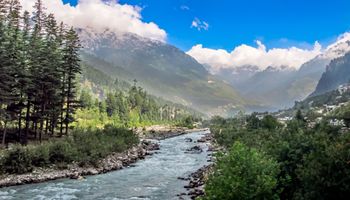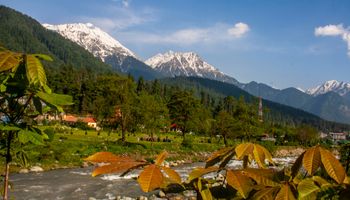


The temple bells haven't stopped ringing for centuries. High above the treeline, where the Himalayas crack open the sky, four ancient shrines pull millions of pilgrims upward each year — through hairpin roads, across roaring rivers, and into air so thin it makes your lungs ache and your spirit soar.
The Char Dham Yatra is India's most revered pilgrimage circuit, a journey through Uttarakhand's sacred geography that traces the spiritual map of Hindu tradition. It is demanding, unpredictable, and profoundly transformative. Whether faith drives you or the mountains call to your wandering heart, this route delivers an experience that rewires how you think about travel.
But here's the thing — first-timers often feel overwhelmed before they even pack a bag. Which shrine comes first? How do you prepare for altitudes above 10,000 feet? What does a typical day on the road actually look like? These are the questions that matter, and vague answers won't cut it when you're navigating landslide-prone highways in monsoon season.
This guide strips away the confusion. You'll learn exactly what each Dham represents, the traditional order to follow, and how to approach the circuit with confidence. No fluff, no generic advice — just the essentials a first-timer genuinely needs to begin one of the most extraordinary journeys on Earth.
The Sacred Four — What Each Dham Holds and Why It Matters
Four temples. Four rivers. Four faces of the divine. The Char Dham circuit connects Yamunotri, Gangotri, Kedarnath, and Badrinath — each perched in a different valley of the Garhwal Himalayas, each dedicated to a distinct deity, and each carrying a mythology heavy enough to bend time.
Yamunotri sits at roughly 3,293 meters, marking the source of the Yamuna River. The temple honors Goddess Yamuna, and the journey to reach it involves a steep 6-kilometer trek from Janki Chatti. Hot water springs bubble up from the earth near the shrine, and pilgrims cook rice and potatoes in the scalding thermal pools as a sacred offering. Steam rises around you while prayer chants echo off wet stone walls.
Gangotri, at 3,100 meters, celebrates the descent of the River Ganga to Earth. The 18th-century white granite temple stands on the banks of the Bhagirathi River, and the sound of glacial water crashing over boulders fills every quiet moment. Morning aarti here, with the cold biting your cheeks and incense smoke curling into a pale blue sky, stays with you long after you leave.
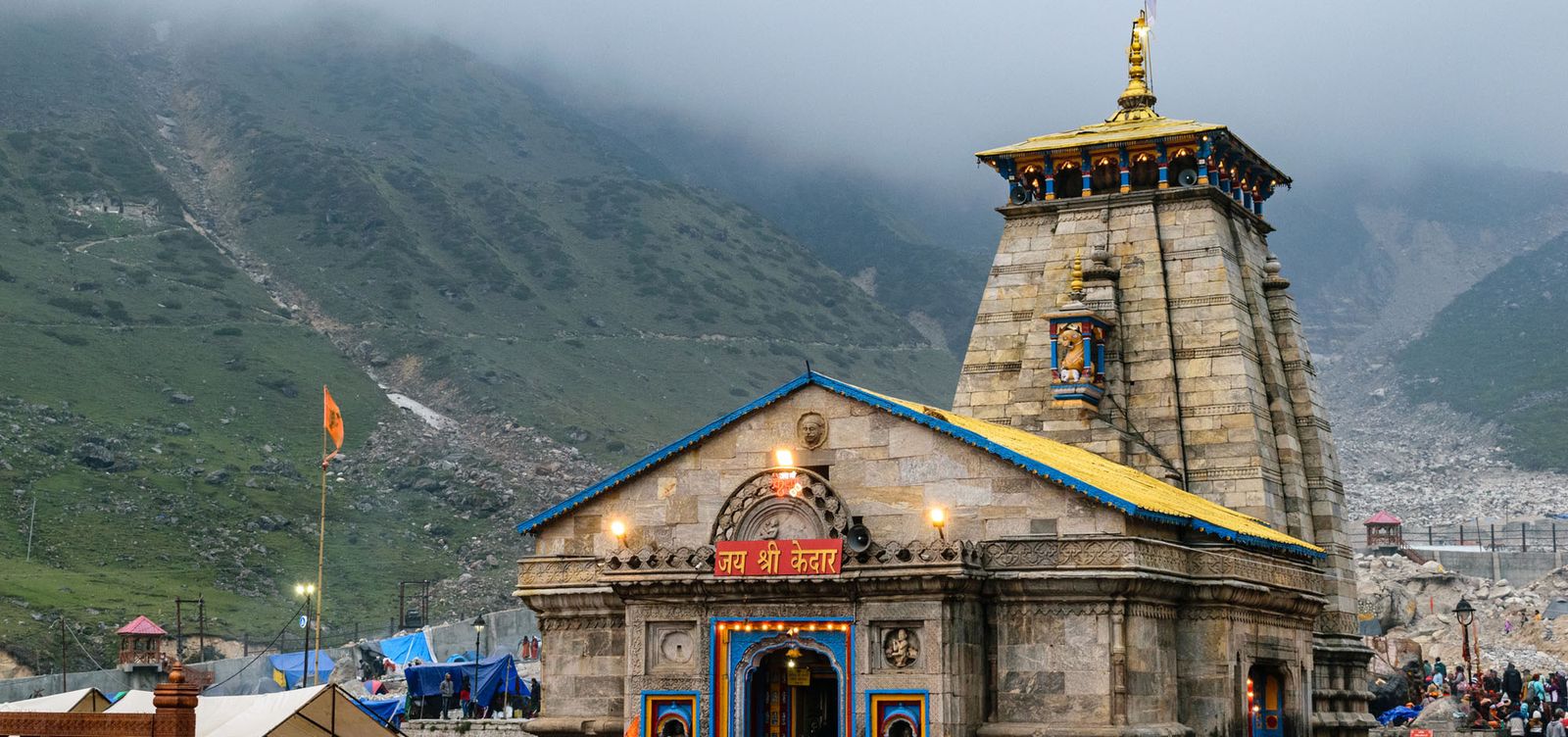
Kedarnath demands the most from your body. The temple to Lord Shiva rests at 3,583 meters, accessible only by a 16-kilometer uphill trek from Gaurikund — or by helicopter if your knees protest. Massive grey peaks surround the ancient stone shrine, and snow often lingers on the ground well into June. The 2013 floods devastated this valley, yet the temple survived, a fact that deepens its hold on every visitor who makes the climb.
Badrinath, the final and most accessible Dham, sits at 3,133 meters along the Alaknanda River. Dedicated to Lord Vishnu, the brightly painted temple contrasts sharply against the stark brown and white mountainscape. Natural hot springs at Tapt Kund greet you before you enter the shrine, and the warmth of that sulfuric water against your aching muscles feels like a reward the mountains themselves have offered.
Following the Ancient Path — Where to Begin and the Order That Matters
Tradition isn't arbitrary here — it follows geography. The classic Char Dham circuit moves west to east, and there's a practical logic woven into the spiritual sequence. You start at Yamunotri, continue to Gangotri, push south to Kedarnath, and finish at Badrinath. Every seasoned pilgrim and local guide will tell you the same thing: don't improvise the order unless weather or road closures force your hand.
Your journey begins in Haridwar or Rishikesh, the twin gateway cities on the plains. From either town, the road climbs northwest toward Barkot, your base for the Yamunotri leg. Most travelers spend the first night in Barkot to acclimatize before trekking to the temple the following morning. This gentle start lets your body adjust to altitude gradually — a critical advantage when you consider that Kedarnath looms several days ahead.
After Yamunotri, you backtrack to Barkot and drive northeast through Uttarkashi to reach Gangotri. The road follows the Bhagirathi River valley, and the scenery shifts from dense pine forests to exposed rocky ridgelines. Uttarkashi serves as a convenient overnight stop, breaking up what would otherwise be an exhausting single-day drive.
The route then swings south. You descend from Gangotri, pass through Uttarkashi again, and head toward Guptkashi or Sitapur — staging points for the Kedarnath trek. This is the longest driving stretch of the circuit, often taking a full day on winding mountain roads. Rest well the night before, because the Kedarnath trek begins early and tests everything you've got.
Finally, after descending from Kedarnath, you drive northeast to Badrinath via Joshimath. The road climbs through dramatic gorges, and waterfalls streak down cliffs on either side. Reaching Badrinath feels like a culmination — the fatigue in your legs, the altitude headaches you've battled, the cold mornings and long drives all converge into a single moment of arrival at the last shrine.
The entire circuit typically takes 10 to 12 days from Haridwar and back. Rushing it below 10 days risks altitude sickness and exhaustion. Allowing a buffer day or two for weather delays — especially during the monsoon months of July and August — keeps your itinerary from unraveling when a landslide blocks the road for six hours.
Your Ticket to the Sacred Circuit — How to Register
Before your boots touch a single mountain trail, you need to complete the mandatory Char Dham registration process. The Uttarakhand government introduced a biometric registration system to manage the massive influx of travelers and ensure safety along the route. No registration, no entry — it's that simple.
Online Registration
Head to the official Uttarakhand Char Dham Devasthanam Management Board website to start the process. You'll need to fill in personal details, upload a valid photo ID (Aadhaar card, passport, or voter ID), and provide a recent photograph. A nominal registration fee applies per person.
Once submitted, you'll receive a confirmation with a unique registration ID. Keep this accessible on your phone and carry a printed copy — connectivity drops to zero in many stretches of the journey.
On-the-Spot Registration Centers
Prefer to register in person? Biometric registration counters operate at key entry points including Rishikesh, Haridwar, and several checkpoints along the yatra route. Expect queues during peak season, especially on weekends and around major Hindu festivals. Arriving early — before 7 AM — saves you significant waiting time.
At these centers, officials capture your biometric data and issue a registration slip. This slip serves as your access pass at each dham.
Medical Fitness and Health Certificates
Here's where many first-timers get caught off guard. Travelers above 50 years of age, children below 12, and anyone with pre-existing heart or respiratory conditions must carry a medical fitness certificate from a registered doctor. The Kedarnath trek, which climbs to over 3,500 meters, places genuine physical demands on your body.
Some registration centers offer basic health screenings on-site, but relying on that alone is risky. Get your certificate beforehand. Your blood oxygen levels and blood pressure will likely be checked at multiple points during the yatra, and authorities can — and do — turn people back if readings fall below safe thresholds.
One more detail worth noting: group registrations are possible through authorized tour operators, which can streamline the paperwork if you're traveling with family or a larger party. Just verify that the operator is officially recognized by the Devasthanam Board.
When the Mountains Call — A Month-by-Month Breakdown
Timing shapes everything on the Char Dham circuit. A week's difference can mean the contrast between clear blue skies and a landslide-blocked highway. The yatra season generally runs from late April or early May through October or early November, though the exact dates shift each year based on the Hindu calendar and weather conditions.
May: The Grand Opening
The temple doors swing open on the auspicious date of Akshaya Tritiya, usually in early May. Fresh snow still blankets the higher passes, and the air carries a biting chill that softens into cool sunshine by midday. Crowds are moderate but growing. The Yamunotri and Gangotri trails feel alive with wildflowers just beginning to push through the frost.
Roads may still bear the scars of winter — expect occasional delays as crews clear debris. The upside? Waterfalls run at full force, and the valleys glow an almost electric green.
June: Peak Devotion, Peak Crowds
June marks the busiest month. Pilgrims flood in before the monsoon arrives, and every guesthouse, Dharamshala, and tent camp along the route fills quickly. Book accommodation weeks in advance. Temperatures sit comfortably between 10°C and 20°C at most stops, making trekking pleasant despite the human traffic.
The trade-off for those crowds? An incredible energy. Chanting reverberates through mountain corridors, and the shared sense of purpose among fellow travelers creates bonds that outlast the journey itself.
July to August: The Monsoon Gamble
Heavy rainfall hammers the region from July through mid-September. Landslides frequently close the roads to Kedarnath and Badrinath. Leeches appear on the trails. Fog swallows entire mountainsides for days. Most seasoned travelers avoid this window entirely unless they carry deep flexibility in their schedule and a high tolerance for uncertainty.
That said, the temples remain open. If rain doesn't deter you, you'll find dramatically fewer pilgrims and a landscape so lush it borders on surreal — waterfalls cascading off every cliff, clouds rolling through pine forests at eye level.
September to October: The Sweet Spot
As the monsoon retreats in mid-September, the Himalayas reveal their most photogenic face. Skies sharpen to a crystalline blue. The autumn light turns the Garhwal range golden at dawn and deep amber by dusk. Crowds thin significantly compared to June, and the crisp mountain air carries the woody scent of deodar and pine.
October brings the closing ceremonies. Temperatures drop fast — nighttime readings near Kedarnath plunge below freezing. Pack serious layers. The final days before the temples close hold a poignant beauty, as priests perform elaborate rituals to bid farewell to the deities until spring returns.
November to April: The Long Silence
Snow buries the high-altitude shrines. Roads close. The temples stand empty, sealed until the next season. This isn't your window — but it is when you should be planning, registering, and booking. Use these months to build physical stamina too. Even moderate treks at altitude will test your cardiovascular fitness more than you expect.
Feet on the Trail: What Each Dham Demands of You
Yamunotri — The Gentle Opener
Your Char Dham journey traditionally begins here, at the source of the Yamuna River, and the 6-kilometer trek from Janki Chatti sets the tone. The path climbs steadily through dense forests of pine and rhododendron, with the river roaring in the gorge below. Mist drifts through the canopy, and the smell of damp earth and wildflowers fills your lungs at every switchback.
The trail is well-maintained but uneven in places — expect stone steps, narrow stretches, and a few sections where loose gravel demands careful footing. Most moderately fit trekkers complete the ascent in three to four hours. At the top, hot water springs bubble up from the rocky ground near the temple, and pilgrims cook rice and potatoes in the naturally boiling water as an offering. The descent feels quicker, lighter — your legs know the way.
Gangotri — The Easiest Stop
Gangotri brings welcome relief. The temple sits right along the main road at about 3,100 meters, so there's no significant trek required to reach it. You step out of your vehicle, and within minutes, the white granite shrine stands before you, the Bhagirathi River surging past its walls with a sound like constant applause.
The real trek here is optional — the 19-kilometer route to Gaumukh, the actual glacial source of the Ganges. Only attempt this if you're fit and acclimatized. The trail crosses rocky moraines and river crossings, with the Gangotri Glacier glinting blue-white at the end. Even if you skip Gaumukh, Gangotri's crisp mountain air and the sight of snow peaks framing the temple make the stop unforgettable.
Kedarnath — The True Test
Nothing quite prepares you for the Kedarnath trek. The 16-kilometer climb from Gaurikund rises roughly 1,500 meters in elevation, and the trail — rebuilt after the devastating 2013 floods — is wide but relentless. Your thighs burn. Your breathing sharpens. Prayer flags snap overhead in the wind, and the rhythmic chanting of fellow pilgrims becomes your metronome.
Halfway up, at Bhimbali, tea stalls serve milky chai that tastes better than anything you've ever had — altitude and exhaustion are powerful seasonings. The final approach reveals the ancient stone temple against a backdrop of snow-streaked mountains, and the emotional release of arrival hits hard. Most trekkers need six to eight hours going up and four to five coming down. Helicopter services also operate from Phata, Guptkashi, and Sirsi for those who cannot walk.
Badrinath — The Grand Finale
Badrinath is the most accessible of the four Dhams. The temple sits in the town itself, reachable entirely by road at about 3,133 meters elevation. No trekking is required — you park, walk a short distance through the bustling temple town, and there it stands, painted in vivid colors against the dark face of Neelkanth peak.
The Tapt Kund hot spring near the temple entrance invites you to dip your hands — the naturally warm, sulfur-tinged water is startlingly hot against the cold mountain air. Beyond the temple, you can take a short walk to Mana Village, India's last inhabited settlement before the Tibetan border, where the Saraswati River disappears into a rock formation with a deafening roar. Badrinath closes the circuit with a sense of completion that settles deep in your chest.
Traveling with Gray Hair and Tiny Feet: Advice for Seniors & Families
Preparing Bodies and Expectations
Altitude is the invisible challenge. At heights above 3,000 meters, even healthy adults can experience headaches, nausea, and breathlessness. For senior citizens, this risk multiplies. Consult a doctor at least a month before departure and carry prescribed medications for altitude sickness, blood pressure, and any chronic conditions. Build stamina gradually — even daily 30-minute walks in the weeks before departure make a measurable difference.
Children under five face their own risks at altitude. Keep them hydrated constantly, watch for unusual drowsiness or irritability, and carry high-energy snacks like dry fruits and glucose biscuits. A pediatrician's clearance gives peace of mind no travel insurance can match.
Choosing the Right Mode of Travel on the Trail
You don't have to walk every step. At Yamunotri and Kedarnath, ponies and palanquins (dolis carried by porters) are available for hire. Ponies handle the rocky terrain with surprising grace, though the ride can feel jarring — hold on firmly and lean forward on steep inclines. Palanquins offer more comfort but cost more and require advance booking during peak season.
Helicopter services to Kedarnath have become increasingly popular and reduce the journey to a breathtaking seven-minute flight. Book well in advance, as seats fill up fast. For Badrinath and Gangotri, road access means the entire family can reach the temples without any trekking at all — a genuine blessing for grandparents and toddlers alike.
Packing, Pacing, and Staying Comfortable
Layer your clothing. Mornings are biting cold, afternoons can turn surprisingly warm, and evenings drop fast again. Thermal innerwear, a fleece jacket, and a waterproof outer layer form the essential trio. For kids, pack one extra set of warm clothes beyond what you think you'll need — spills, rain, and mud are inevitable.
Pace the itinerary generously. Rushing between Dhams exhausts even young, fit travelers. Build in rest days — one after Yamunotri and another after Kedarnath — so bodies can recover and acclimatize. Stay in accommodations at lower altitudes when possible; sleep quality drops significantly above 3,000 meters, especially for seniors. Carry a basic first-aid kit with band-aids, antiseptic cream, oral rehydration salts, and pain relievers. Small comforts matter enormously when the mountains test your limits.
Your Journey Begins Before You Leave Home
The Char Dham Yatra isn't just a trip — it's a passage through some of the most awe-inspiring terrain on Earth, punctuated by ancient rituals that have drawn travelers for centuries. Get your registration sorted early, choose your travel window wisely, and respect both the mountains and your own physical limits. Whether you time your visit for the quiet brilliance of late September or the electric energy of June, the Himalayas will meet you with something you didn't know you were looking for. Lace up your boots. Print that registration slip. The sacred circuit awaits, and it rewards those who arrive prepared.