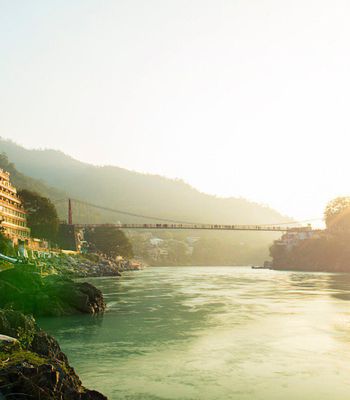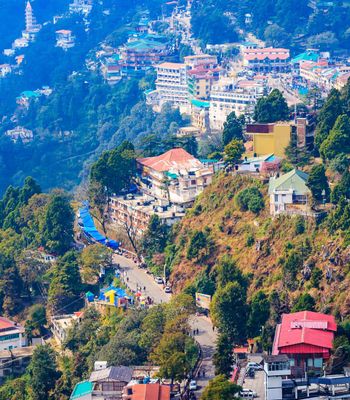
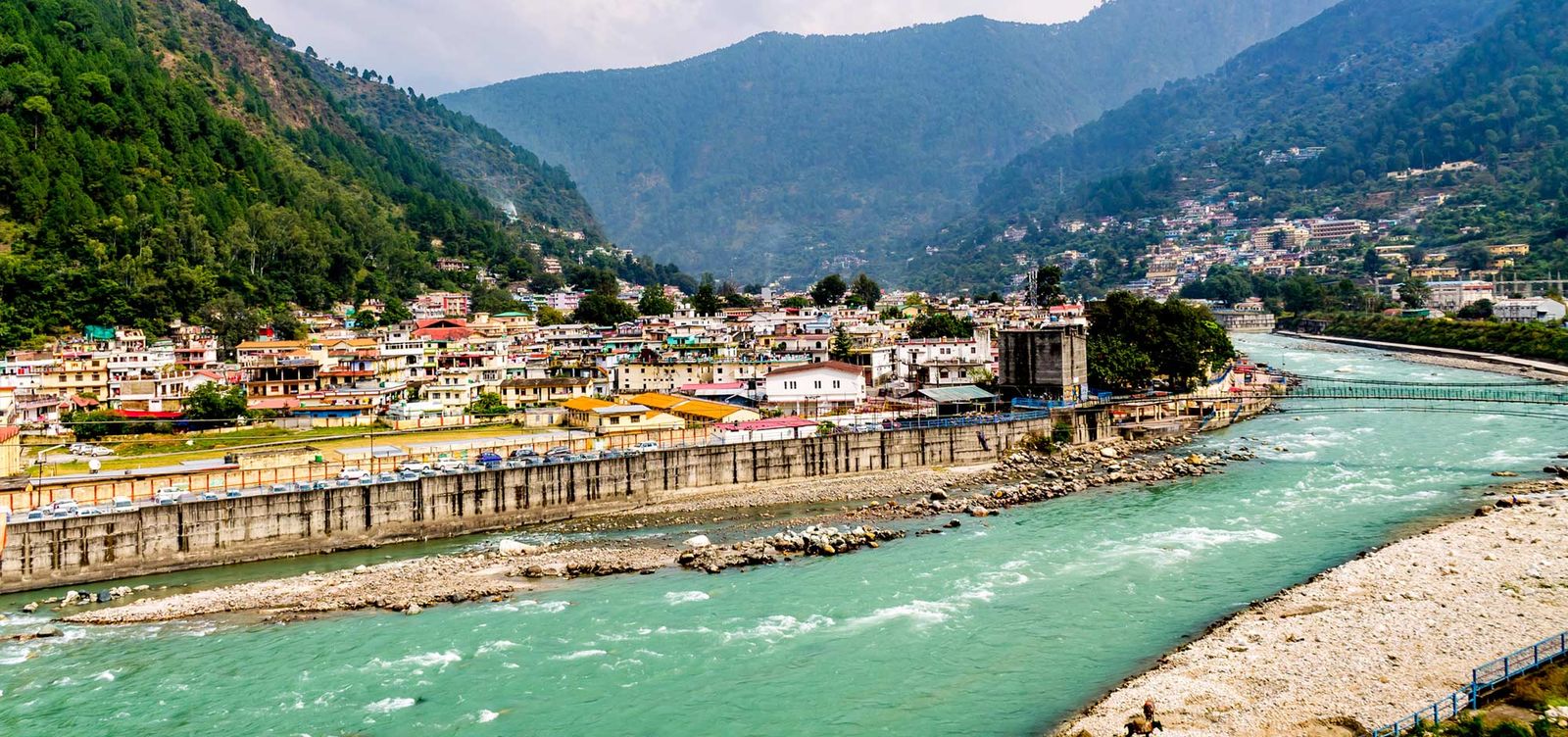
The Bhagirathi River thunders through a deep gorge below, and somewhere above it, a temple bell rings out — steady, unhurried, ancient. Welcome to Uttarkashi, the "Kashi of the North," where the Himalayas don't just form a backdrop; they press in close, demanding your full attention. Perched at roughly 3,800 feet along the river's banks, this district headquarters in Uttarakhand draws pilgrims, trekkers, and restless souls who crave something rawer than the typical hill station escape.
There's nothing manicured about this place — and that's exactly the point.
Where the Mountains Refuse to Be Ignored
Step outside anywhere in Uttarkashi and the landscape hits you like a deep breath you didn't know you needed. Towering deodar and pine forests climb the hillsides in dense, fragrant waves, while the Bhagirathi — milky with glacial sediment — muscles through gorges far below. On clear mornings, snow-dusted peaks blaze white against an almost impossibly blue sky, a reminder that some of India's most revered high-altitude destinations sit just hours up the road.
The air here carries a sharpness that wakes you up — cool, pine-scented, thinned by altitude. And the sound of rushing water follows you everywhere, a constant low roar that becomes the soundtrack of your stay. Unlike the honking chaos of more commercialized mountain towns, Uttarkashi lets the river do the talking.
Temples, Tridents, and the Hum of Something Sacred
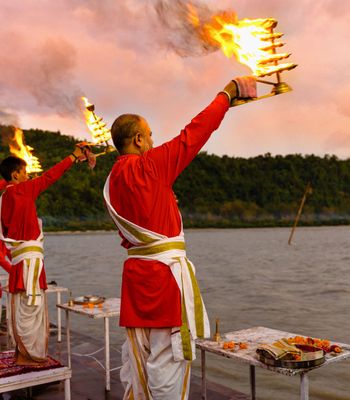
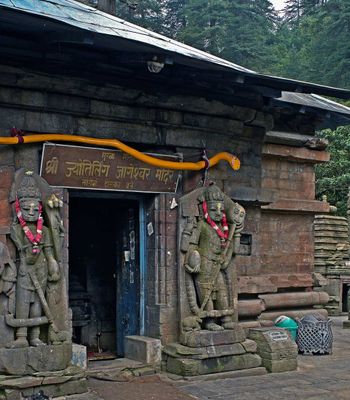
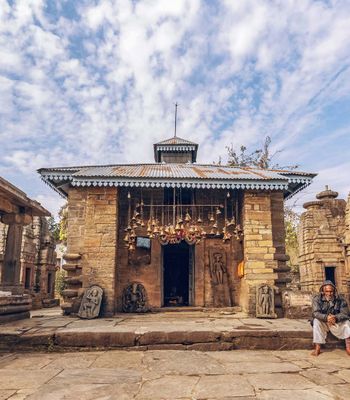
Spirituality isn't a side attraction in Uttarkashi — it's the town's very pulse. The Vishwanath Temple, dedicated to Lord Shiva, rises near the riverbank as the town's most prominent landmark, its stone worn smooth by centuries of devoted hands. Incense smoke curls from the entrance and mingles with the mist off the Bhagirathi, creating a meditative haze that slows your breathing without you realizing it.
A short walk brings you to the Shakti Temple, home to an ancient trident believed to hold deep mythological significance. Wander the narrow streets beyond, and you'll spot smaller shrines tucked between buildings, prayer flags fluttering overhead in the mountain breeze. Every few steps, another quiet reminder that Uttarkashi serves as a gateway to the sacred Char Dham pilgrimage circuit — Gangotri, one of the four holy sites, is accessible from here, making this town a natural pause for those on a spiritual journey.
A Base Camp for the Bold
But don't let the temple bells fool you — Uttarkashi has a wild, adventurous heart beating alongside its spiritual one. This is serious trekking country, and the town serves as the launchpad for some of Uttarakhand's most celebrated trails:
- Dayara Bugyal – Vast alpine meadows that roll out like green velvet carpets beneath snow-capped ridgelines
- Dodital – A pristine high-altitude lake ringed by oak and rhododendron forests, impossibly still and mirror-clear
- Har Ki Dun – A cradle-shaped valley steeped in folklore, where the landscape feels lifted straight from myth
- Gangotri Glacier – The source of the Ganges itself, a challenging and humbling trek for experienced hikers
The Nehru Institute of Mountaineering, established in 1965, sits here too, cementing the town's credentials as an adventure hub. Aspiring mountaineers from across India train within its grounds before attempting higher Himalayan peaks. Even if you're not signing up for a course, a visit offers a fascinating window into India's mountaineering heritage — the old photographs and expedition gear alone are worth the detour.
Rajma, Maggi, and Route Advice from Strangers
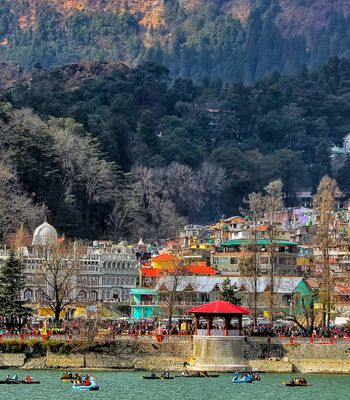
Daily life in Uttarkashi moves at a rhythm set by the seasons and the river, not by tourist itineraries. The market area is modest but warmly functional — stalls stacked with woolen garments, local produce, and basic trekking supplies. The smell of simmering rajma-chawal drifts from small eateries, competing with the steam rising off bowls of piping hot maggi noodles that trekkers clutch like lifelines before heading to higher ground.
Conversations spark easily here. Locals, long accustomed to travelers passing through, often volunteer route advice or weather updates with a warmth that feels effortless and genuine. Hindi is the primary language, though many residents and guides speak enough English to help you find your way — or simply swap trail stories over chai.
When to Go (and Why Winter Has Its Own Magic)
Timing shapes everything in Uttarkashi. April through June brings pleasant weather, accessible trails, and those crystalline mountain views that make your camera work overtime. September and October, once the monsoon pulls back, offer a second golden window — the hillsides glow an almost electric green, and the autumn light turns every photograph into something painterly.
Winter is a different animal. Cold settles in hard, and snowfall can cut off higher routes entirely. Yet if solitude calls to you — if you don't mind bundling into layers and watching your breath hang in the frozen air — these quiet months reveal Uttarkashi at its most contemplative. Fewer visitors, thicker silence, snow dusting the temple rooftops. It's a town stripped back to its essence.
The Kind of Place That Stays With You
Uttarkashi doesn't chase your attention with glossy resorts or Instagram-ready gimmicks. It earns it — slowly, honestly, through the sheer force of its landscape and the depth of its traditions. Travelers who come here often describe a feeling of returning to something essential, something they didn't know they'd been missing: mountains that feel close enough to touch, temples old enough to hum with accumulated prayer, and rivers that still run absolutely, gloriously wild.
Whether you arrive seeking a pilgrimage, a trail that tests your limits, or simply a few days surrounded by the kind of scenery that quietly rearranges your priorities — this corner of the Himalayas delivers with an authenticity that lingers long after you've descended back to the plains.