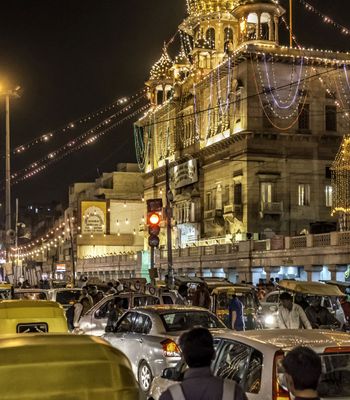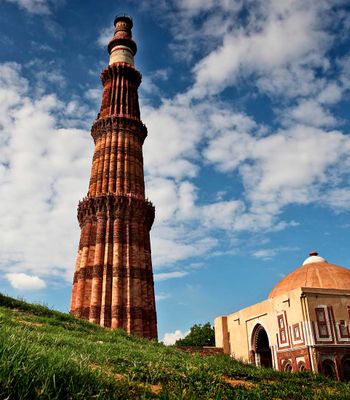
The clang of brass bells, the heady sweetness of marigold garlands, the low hum of centuries-old chanting — step through the gates of Kalkaji Temple and the frenetic pulse of South Delhi dissolves behind you. Perched on a small hillock, this ancient shrine to Goddess Kalkaji, a fierce incarnation of Durga, has been pulling devotees and wanderers into its orbit for thousands of years. White marble gleams against the Delhi sky, incense smoke curls through carved archways, and everywhere you look, faith is in motion. Whether you come seeking blessings or simply craving a glimpse into India's living spiritual traditions, this temple delivers something that lingers — long after you've slipped your shoes back on and rejoined the city outside.
Legends Carved in Stone: The Temple's Ancient Roots
More than 3,000 years of mythology and devotion are woven into this hillock. Hindu tradition tells of Goddess Kalka manifesting on this very spot to annihilate demons who had terrorized the gods themselves. Grateful for her ferocity, the devas raised a temple in her honor — and worshippers have never stopped coming.
The structure you see today took shape during the Mughal period, likely in the 18th century, with successive rulers and devoted patrons layering their own contributions over the original foundations. Walk the temple grounds slowly and you can almost feel those centuries underfoot — the worn stone thresholds, the patina on bronze fixtures, the quiet weight of unbroken tradition surviving amid one of the world's most chaotic capital cities.
Marble, Spires, and a Sacred Black Stone
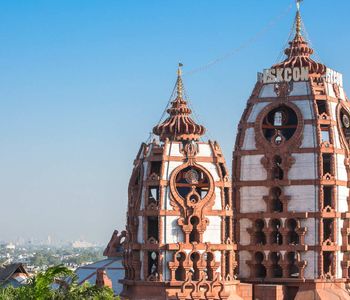
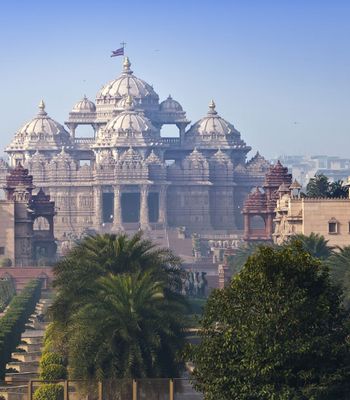
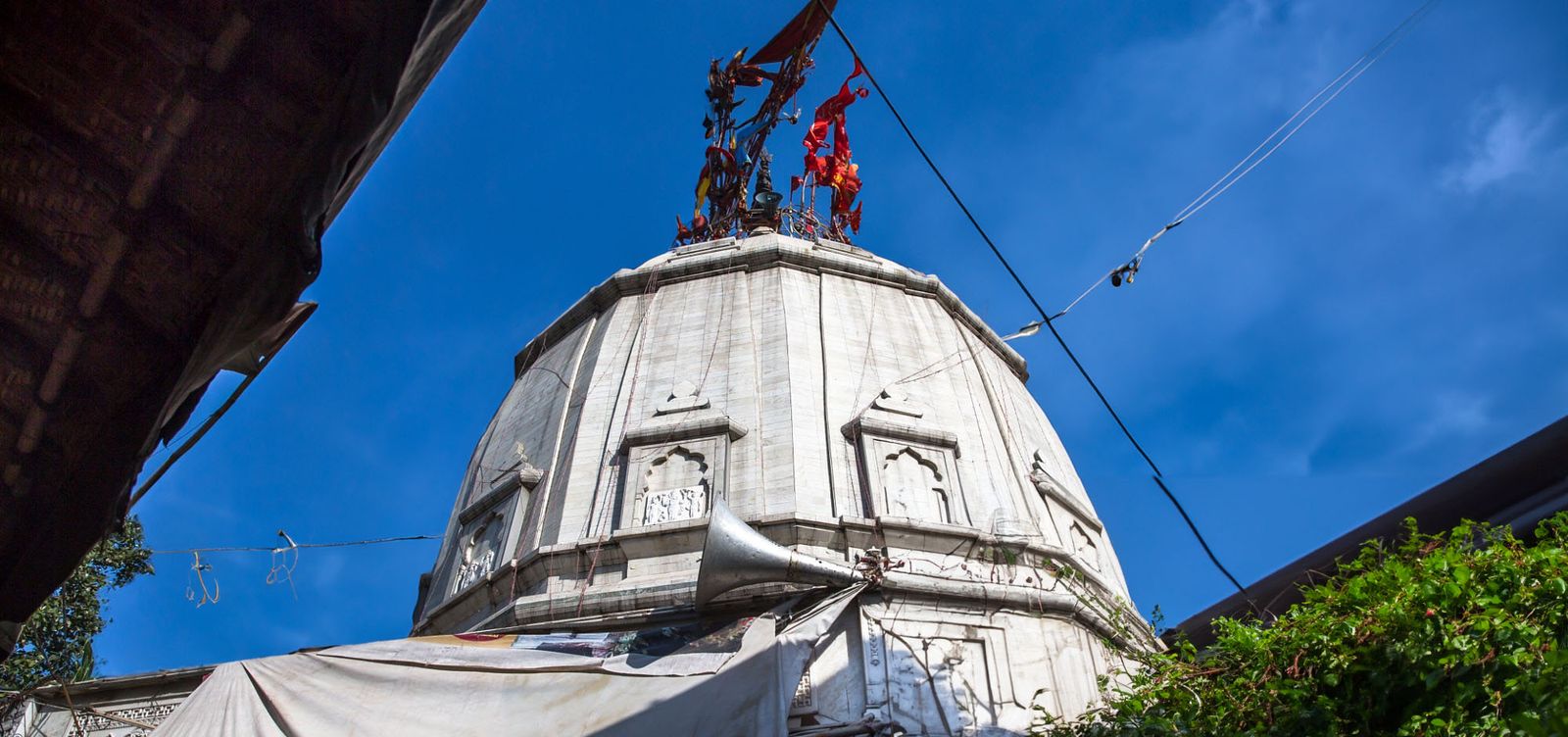
Your first sight of the temple stops you mid-stride. That white marble exterior — luminous in the morning sun, softly glowing under evening lamps — rises from its elevated perch with a commanding central dome and a constellation of smaller spires tracing the roofline. Run your eyes over the intricate carvings: floral arabesques, religious iconography, the unmistakable flourishes of traditional North Indian temple craft.
Inside the main sanctum, the air shifts. It's cooler, denser, fragrant with camphor and fresh flowers. At the heart of it all sits a revered black stone idol of Goddess Kalkaji, draped in vivid silk and gleaming with gold ornaments. Devotees wait in patient, murmuring lines for their moment before her — a few seconds of eye contact with the divine that clearly means everything. Surrounding chambers shelter idols of Lord Shiva, Lord Hanuman, and other deities, each niche flickering with oil lamps.
Recent renovations have polished the stone flooring, improved the lighting, and widened pathways — all without erasing the temple's weathered character. Even during peak hours, you can navigate the grounds comfortably and find a quiet corner in the spacious courtyard to sit, breathe, and let the atmosphere settle into you.
Why This Temple Matters: A Living Siddha Pitha
Among Hindus across Northern India, Kalkaji Temple holds a distinction that sets it apart from ordinary places of worship: it's recognized as a Siddha Pitha, a sacred site believed to grant the heartfelt wishes of sincere devotees. That designation draws pilgrims from distant states — families seeking protection, individuals praying for strength, anyone navigating a crossroads in life and hoping for a sign.
When the Temple Truly Comes Alive
Twice a year, during the spring and autumn celebrations of Navratri, the temple transforms into something electrifying. Thousands of worshippers stream through daily. Devotional songs pour from loudspeakers and live musicians alike. Every pillar is draped in color — saffron, crimson, gold — and the fragrance of communal feasts mingles with sandalwood incense until the two become inseparable. Bells ring ceaselessly, and chanting echoes well past sunset.
Diwali and other major Hindu observances also bring surging crowds and heightened energy. Time your visit for one of these festivals and you'll trade elbow room for something far more valuable — an unfiltered window into collective devotion so powerful it raises the hair on your arms. Navratri, in particular, imprints itself on you.
Beyond the Gates: The Neighborhood Worth Exploring
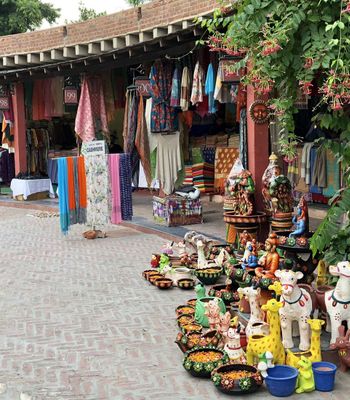
Before you even reach the temple entrance, the experience begins. Narrow lanes buzz with vendors selling marigold garlands, coconuts, boxes of sticky sweets, and bright red chunni scarves — everything you need for a proper offering. Buying from these stall owners isn't just convenient; it sustains a community that has orbited this sacred site for generations.
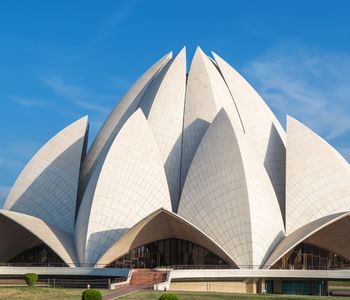
Just a short walk away, the Lotus Temple — Delhi's striking Bahá'í House of Worship — rises like a half-opened flower against the skyline. Pairing both visits in a single outing lets you leap from ancient devotion to breathtaking modern architecture without breaking a sweat. And when hunger inevitably strikes, duck into one of the small eateries lining the surrounding streets. A plate of crispy, puffed chole bhature or a piping-hot samosa wrapped in newspaper makes the perfect post-temple reward.
Getting There Without the Headache
Delhi's sprawling geography intimidates plenty of first-time visitors, but reaching Kalkaji Temple is genuinely easy. Hop on the Violet Line of the Delhi Metro and ride to Kalkaji Mandir station — from there, it's barely a five-minute walk to the temple gates. No haggling, no traffic jams, no wrong turns.
Prefer door-to-door convenience? Auto rickshaws and ride-sharing apps like Uber and Ola operate everywhere in South Delhi. From central hubs like Connaught Place, expect a 30- to 45-minute ride depending on traffic. Delhi Transport Corporation buses also rumble through the Kalkaji area for those keeping a tight budget.
Tips to Make Your Visit Seamless
Gates open daily around 5 a.m. and close near 10 p.m., with no entrance fee — your wallet stays untouched, though donations for the temple's upkeep are always appreciated.
For the most serene experience, arrive at dawn on a weekday. Soft light filters through the marble, the courtyard is nearly empty, and you can hear individual bird calls between the bells. By mid-morning — especially on Tuesdays and Saturdays, days considered auspicious for Goddess worship — the temple swells with devotees and the energy ratchets up dramatically. Both experiences are worth having; it just depends on what you're after.
Dress modestly out of respect; this is an active place of worship, not a monument. Shoes come off before the main shrine area (secure storage is available near the entrance, so don't worry). During Delhi's scorching summer months, when temperatures regularly blast past 100°F, carry a water bottle and wear light, breathable fabric. November through February brings cooler, friendlier weather that makes lingering in the courtyard a genuine pleasure.
In a city that reinvents itself every decade, Kalkaji Temple is a rare anchor — a place where ancient legend, intricate artistry, and raw spiritual energy coexist without apology. Spend an hour or surrender an entire morning. Either way, you'll walk back out through those gates carrying something quieter and deeper than anything the modern Delhi skyline can offer.