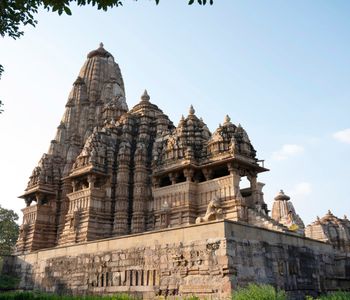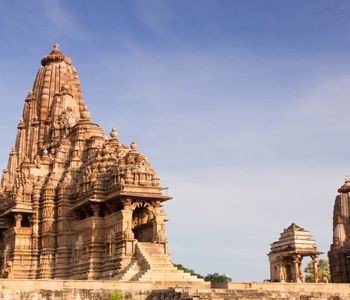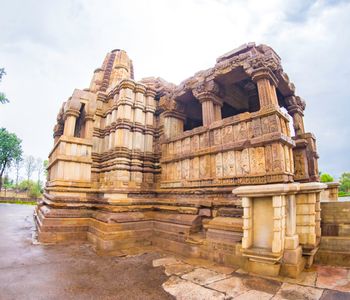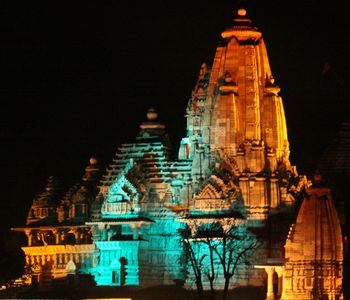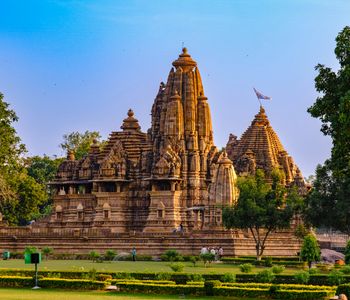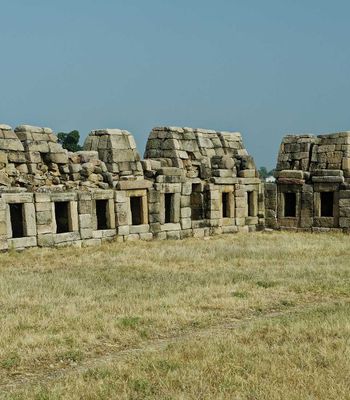
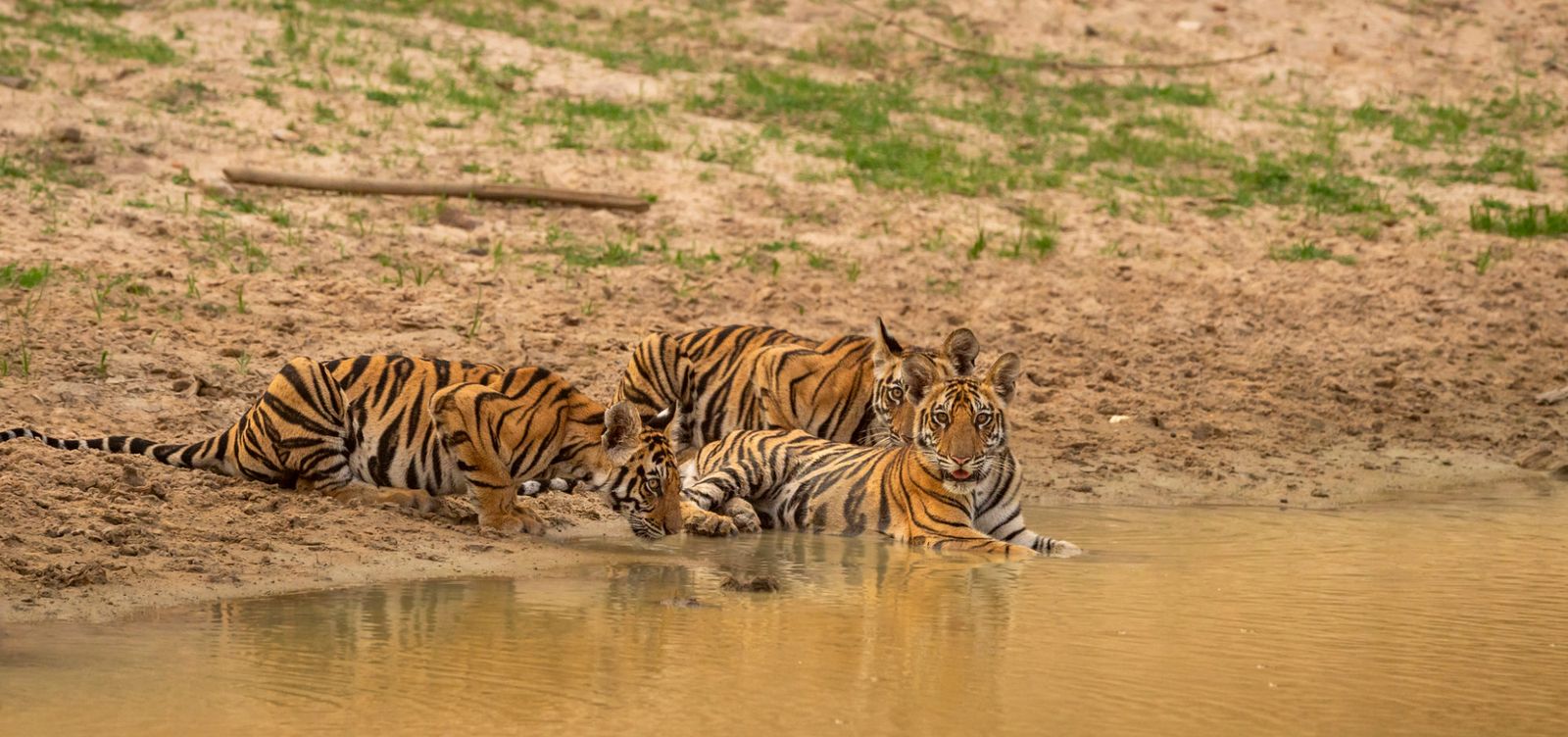
The road from Khajuraho's famous temple complex to Panna National Park takes about thirty minutes, and in that short drive, you cross from medieval erotic sculpture into raw, unmanicured wilderness. The contrast is deliberate — or at least it feels that way. Panna doesn't announce itself with grandeur. The dry deciduous forest simply begins, teak trees close in, and the Ken River appears below a gorge so quiet you can hear kingfishers hit the water from fifty meters away. This is a park that nearly lost its entire tiger population in 2009, then clawed it back from zero through one of India's most remarkable conservation efforts. That resurrection story defines the place. Everything you see at Panna exists because someone decided it wouldn't disappear.
A Park That Died and Came Back
By 2009, poaching had eliminated every single tiger in Panna. The count dropped to zero — a catastrophic failure that embarrassed the Indian government and gutted the local conservation community. What happened next remains one of the most aggressive rewilding programs the country has ever attempted.
Authorities relocated tigers from Bandhavgarh and Kanha national parks into Panna's emptied territory. The gamble worked. Within a few years the tigers bred, and by the mid-2020s the population had climbed to over fifty. Walking through the park today, knowing this history rewires what you see. Every pugmark in the dust, every alarm call from a sambar deer, carries a weight that goes beyond ordinary safari adrenaline. You're watching a second chance play out in real time.
The Ken River Cuts Through Everything
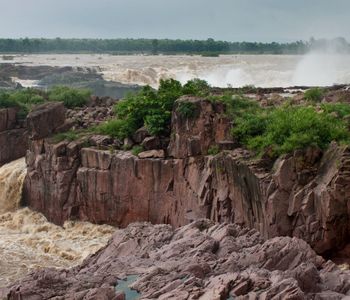
Most Indian national parks are defined by a signature animal. Panna is defined by a river. The Ken bisects the park for roughly seventy-two kilometers, carving through Vindhyan sandstone and creating gorges that plunge thirty meters in places. During the dry season — March through May — the river shrinks to a chain of isolated pools, and those pools become the park's living room. Crocodiles sun themselves on exposed rock. Gharials, those impossibly narrow-snouted fish-eaters, slide off the banks the moment your jeep rumbles close.
At Pandav Falls, the Ken drops nearly thirty meters in a single cascade. During monsoon months the falls transform from a modest trickle into a roaring curtain of brown water that you feel in your chest before you see it. Come in October, just after the rains break, and you catch them at their most photogenic — still powerful, but framed by freshly green forest rather than mud.
What the Jeep Trails Actually Deliver
Safari drives at Panna feel different from those at India's marquee tiger reserves. The terrain is open, almost savanna-like in places, which means your sightlines stretch far beyond what parks like Ranthambore allow, where dense scrub hides everything past twenty meters. That openness works hard in your favor. Spotted deer herds numbering in the hundreds graze across the plateaus, and Indian vultures circle overhead in concentrations you won't find at most other parks — Panna hosts one of central India's few surviving vulture colonies.
Tiger sightings remain less frequent here than at Ranthambore or Bandhavgarh. That's the honest truth. But Panna compensates with a density of other life that more celebrated parks can't match. Leopards, sloth bears, wolves, and wild boar move through the teak forest with regularity. The birdlife alone justifies a visit — over two hundred species, including the Indian paradise flycatcher, whose absurdly long white tail ribbons make it unmistakable even if you've never lifted a pair of binoculars in your life.
Diamonds Beneath Your Feet
Here's the detail most safari guides won't mention until you ask: Panna sits atop one of India's only diamond-bearing regions. The Majhgawan diamond mine, just outside the park boundary, has operated since the 1960s. Historically, diamonds from this area found their way into Mughal treasuries. The geological formations responsible — kimberlite pipes punching through the Vindhyan rock — are the same forces that created the gorges and plateaus the tigers now roam. The park's dramatic topography exists because of the same volcanic upheaval that produced gemstones. The landscape wasn't shaped for beauty. It was shaped by pressure, and beauty followed.
Getting In — and Getting the Timing Right
The park operates from October through June, shutting entirely during the monsoon. Morning safaris begin at dawn — around 5:30 a.m. in summer — and afternoon drives run until just before sunset. Two entry gates serve the park: Madla, roughly twenty-five kilometers from Khajuraho, and Hinouta, closer but less commonly used.
Book your safari permits through the Madhya Pradesh forest department's online portal. Advance booking is essential during the peak months of March through May, when thinning vegetation and concentrated water sources make sightings far more predictable. Entry fees for international visitors run higher than domestic rates — expect to pay around 2,500 rupees per person for a single safari, plus mandatory jeep and guide charges that typically add another 3,000 to 4,000 rupees per vehicle.
Khajuraho's small airport connects to Delhi and Varanasi, making Panna one of the more accessible central Indian parks. From Khajuraho town, hired cars and auto rickshaws make the run to Madla gate without difficulty. Several lodges and resorts line the road between town and the park entrance, ranging from basic forest rest houses to upscale wildlife camps. The Ken River Lodge, situated along the river just outside park limits, makes a particularly strong base — you can hear langurs crashing through the canopy from your room, a preview of the forest before you've even set foot in it.
The Virtue of Being Overlooked
Panna's lower profile works entirely in its favor. At Ranthambore, you'll share a tiger sighting with fifteen other jeeps, phones raised like periscopes. At Panna, you might be the only vehicle on a trail for an hour. That solitude transforms the experience completely. You don't just spot wildlife — you sit with it. A sloth bear digging for termites at dusk, unbothered by your presence, offers something no overcrowded reserve can replicate. The silence between animal calls becomes as much a part of the encounter as the animals themselves.
This quiet also means the park demands patience. Nobody's going to spoon-feed you sightings from a guide who's memorized a tiger's daily commute. Panna rewards attention — the kind where you notice a rustle in dry leaves and wait, engine off, for five unhurried minutes until a jungle cat emerges from the undergrowth.
A Place That Earned Its Survival
Panna National Park doesn't trade on spectacle. It trades on persistence — the persistence of conservationists who refused to let the tigers vanish, and the persistence of a landscape that keeps producing life from dry, diamond-laced earth. Pair it with the Khajuraho temples and you have one of India's most improbable daily contrasts: thousand-year-old stone carvings in the morning, a living forest by afternoon. Come to Panna not because it's the easiest place to see a tiger, but because every tiger you see here shouldn't exist at all. That changes what a sighting means.