The first bite hits before you even sit down. A vendor at Sarafa Bazaar slides a plate of golden, syrup-soaked jalebi across the counter, still crackling from the oil. The sweetness is almost absurd — warm, sticky, impossibly fresh. And just like that, Indore has you.
Madhya Pradesh's largest city doesn't just serve street food. It lives street food. From the crack of dawn, when steaming plates of poha-jalebi appear on pushcarts along foggy lanes, to the fiery late-night servings of bhutte ka kees — roasted corn grated and spiced until it's unrecognizable from anything you've tasted before — every hour here revolves around flavor. But peel back the culinary obsession, and you'll find a city of surprising depth: Maratha-era palaces standing shoulder to shoulder with modern IT parks, ancient temples sharing the skyline with sleek contemporary architecture.
A Plateau City with Room to Breathe
Perched on the Malwa Plateau at roughly 1,800 feet above sea level, Indore catches a breeze that much of central India misses. The climate stays relatively moderate — not forgiving, exactly, but merciful enough that walking through the city's markets in October or March feels genuinely pleasant.
Two rivers, the Khan and the Saraswati, thread quietly through the urban sprawl. During monsoon months, the plateau erupts into saturated green, and the nearby Ralamandal Wildlife Sanctuary practically hums with life. Drive toward the Vindhya Range and watch the city dissolve into farmland and low hills that roll outward in every direction — a reminder that Indore sits at the edge of something vast and unhurried.
Where Royalty Left Its Fingerprints
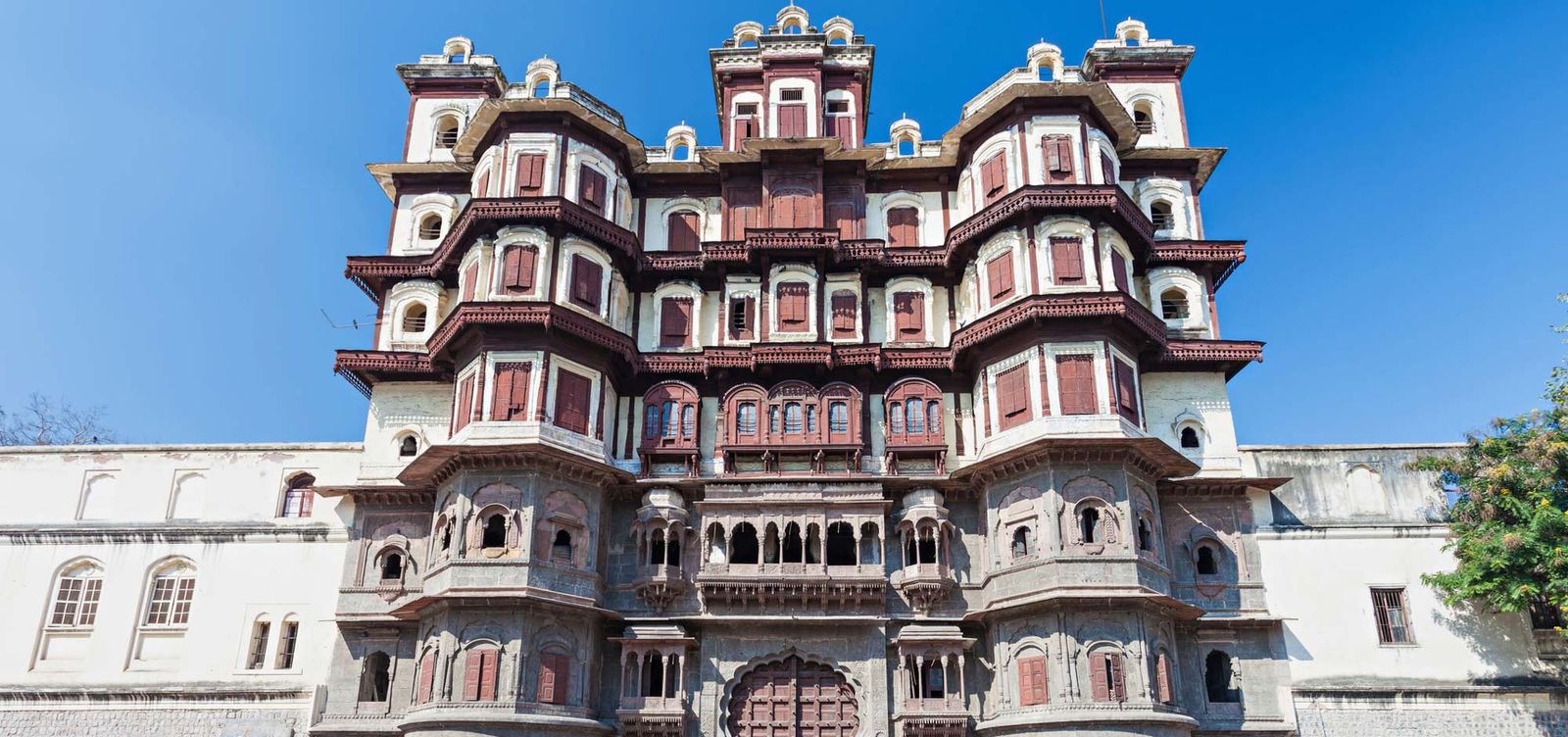
Seven stories tall and standing defiantly above one of the city's busiest intersections, Rajwada demands your attention before you've even decided to look. This 200-year-old palace of the Holkar dynasty is an architectural collision — Maratha grandeur, Mughal symmetry, and French flourishes all woven into a single striking facade.
Step through the arched gateway and the traffic noise drops away. Inside, a courtyard that once hosted royal gatherings sits quietly, its worn stones holding centuries of ceremony. A few kilometers away, Lal Bagh Palace offers a different kind of opulence: European-inspired interiors dripping with chandeliers, sprawling gardens soft with shade, and ornate iron gates modeled after Buckingham Palace. History lovers — block off a full morning. You'll need it.
After Dark, the Real Show Begins
Here's what makes Sarafa Bazaar unlike any food market you've visited: during the day, it's a jewelry bazaar. Gold glints behind glass cases, shopkeepers polish silver. Then dusk falls, the shutters roll down, and the transformation begins.
Food carts materialize as if summoned. Within the hour, the narrow lane is packed shoulder to shoulder with locals and visitors navigating between vendors who dish out garadu (spiced yam fries), sabudana khichdi, pillowy malpua dripping with syrup, and dozens of specialties you won't find a name for until you've already eaten three. The air turns thick with smoke, chili, and the sweet pull of caramelized sugar.
Mornings belong to Chappan Dukan — literally "56 shops" — a legendary cluster of eateries where generations of Indoris have started their day. Grab a plate of something sweet. Then something spicy. Then something tangy. Nobody here eats just one thing.
A City That Takes Pride in Itself
Indore's cultural pulse runs deeper than its food stalls. A thriving arts scene fills galleries and theaters throughout the city, and live music events pop up with regularity. During Ganesh Chaturthi, entire neighborhoods spill into the streets with processions, drumbeats, and elaborate installations. Rangpanchami turns the city into a riot of color and joyful chaos.
What strikes you most, though, is the civic pride. Indore has been recognized multiple times as one of India's cleanest cities — and you can feel it. Public spaces are tended with visible care. Locals don't just love their city; they maintain it like a shared living room.
Day Trips That Steal the Spotlight
Use Indore as your launchpad. Each of these escapes sits within a couple of hours' drive:
- Ralamandal Wildlife Sanctuary — easy trekking trails wind through dry deciduous forest, rewarding you with panoramic views of the plateau below
- Patalpani Waterfall — a dramatic cascade that roars to life during and just after the monsoon, mist rising from the gorge like steam off a kettle
- Tincha Falls — lesser-known, quieter, perfect for a peaceful half-day when you want nature without the crowds
- Mandu — roughly 90 kilometers away, this historic fort city unfolds across a hilltop with stunning Afghan architecture, expansive ruins, and views that make you forget your phone exists
Time your visit between October and March for weather that's ideal for wandering — cool enough for long walks, warm enough for lingering over chai at an outdoor stall.
Getting There (and Getting Around)
Devi Ahilyabai Holkar Airport connects Indore to major Indian metros with frequent daily flights. A well-established rail network links the city to Delhi, Mumbai, Jaipur, and beyond. Once you're here, auto-rickshaws buzz through every neighborhood, and ride-hailing apps make getting across town cheap and painless.
Why Indore Stays With You
This isn't a city that performs for tourists. There are no grand entrance fees, no velvet ropes, no choreographed cultural shows. Indore simply lives its culture openly — loudly, deliciously, unapologetically — and invites anyone curious enough to join in.
From that first crispy jalebi at sunrise to a quiet evening stroll through the gardens of Lal Bagh, the scent of jasmine mixing with distant traffic, you'll understand: Indore doesn't try to impress you. It just is impressive. And that's exactly what makes it worth the journey.