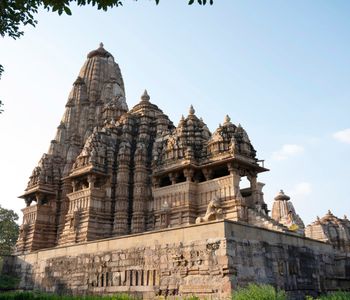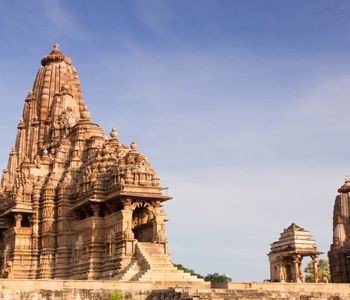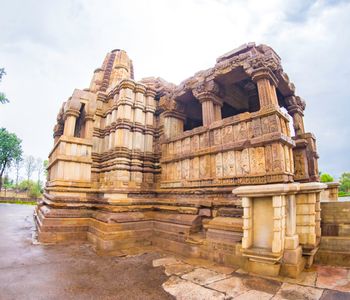
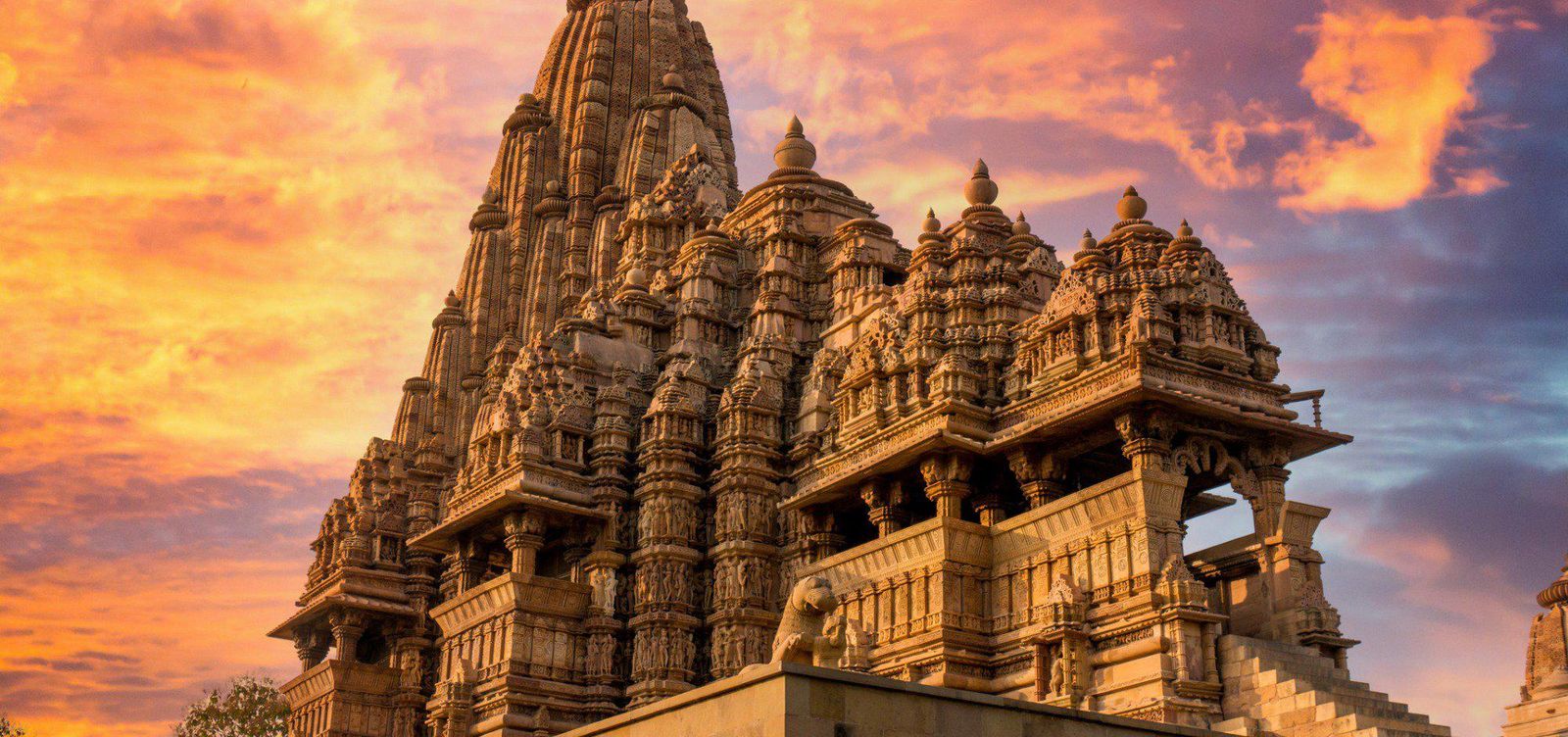
A thousand years ago, the Chandela dynasty poured their wealth, faith, and artistic genius into the sandstone of central India — and the results still stop visitors mid-stride today. Khajuraho, a small town in the Bundelkhand region of Madhya Pradesh, isn't famous for its nightlife or shopping bazaars. It's famous for stone that breathes. Carved temple walls so detailed, so alive with movement and emotion, that UNESCO granted them World Heritage status in 1986. If you've ever stood before a work of art and felt your chest tighten with awe, this place will do that to you — again and again.
A Town That Moves at the Speed of Sunlight
Forget the honking chaos of Delhi or the sensory overload of Varanasi. Khajuraho exhales slowly. The town is compact and unhurried, set against flat, semi-arid terrain where scattered farmland stretches toward the horizon and clusters of trees shift from dusty green to burnished gold with the seasons.
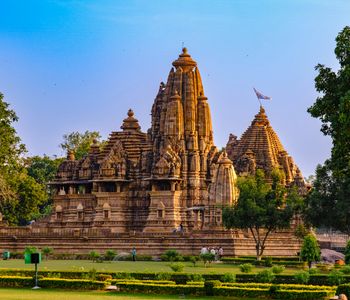
There are no towering peaks competing for your attention here. Instead, the landscape is wide open, sun-drenched — a stage that makes the honey-colored sandstone temples rise with startling drama against an endless sky. Arrive at dawn and watch the first rays spill across the carved facades, turning them a deep, warm amber. You'll understand immediately why photographers set their alarms for this hour.
Temples That Tell a Thousand Stories
Of the original 85 temples built between 950 and 1050 AD, around 25 survive in remarkable condition — and they're typically explored in three groups:
- The Western Group — the largest, most celebrated cluster, home to the iconic Kandariya Mahadeva Temple, whose soaring shikhara seems to reach for the heavens
- The Eastern Group — a mix of Hindu and Jain temples with sculptures every bit as intricate, yet often overlooked by hurried visitors
- The Southern Group — quieter, crowd-free, and perfect for those who want the carvings almost entirely to themselves
First-timers tend to lose the most time at the Western Group — and "lose" is the right word, because hours evaporate here. Walk slowly. Run your eyes along the temple walls and you'll discover far more than the erotic scenes Khajuraho is popularly associated with.
Warriors frozen mid-battle. Musicians whose fingers seem to press into invisible strings. Dancers caught in poses so fluid you'd swear the stone was about to move. Animals, gods, and everyday people — a mother combing a child's hair, a woman applying kohl — all rendered in astonishing detail. Together, these figures tell the full story of human life as the Chandela rulers understood it: devotion, desire, celebration, and everything in between.
When the Temples Come Alive After Dark
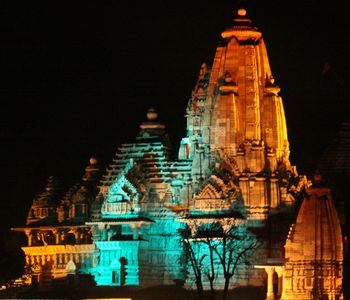
Every February, the annual Khajuraho Dance Festival transforms the Western Group into an open-air theatre like no other. Classical Indian dance forms — Bharatanatyam, Kathak, Odissi — unfold against the backdrop of illuminated temple walls, the rhythmic jangle of ankle bells echoing off millennium-old stone. Attending even a single performance during this festival is the kind of experience that embeds itself permanently in your memory.
Missed the festival? The nightly Sound and Light Show at the Western Group offers its own brand of magic. Under a canopy of stars, a dramatic narration walks you through the temples' history while colored lights shift across the carved facades. Grab a seat, let the cool evening air settle around you, and let a thousand years of history wash over you in an hour.
Tigers, Gorges, and the Wild Side of Madhya Pradesh
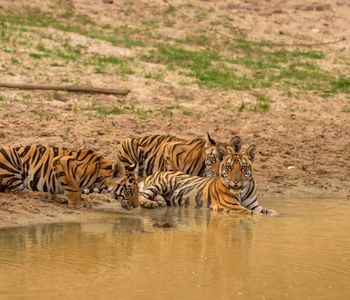
Roughly 30 kilometers from Khajuraho, Panna National Park reveals a completely different face of this region — one defined by dry deciduous forests, rugged ravines carved by the Ken River, and the thrill of spotting tigers, leopards, and sloth bears in the wild. A morning safari here, with birdsong filling the canopy and fresh pugmarks in the dust, makes for a powerful counterpoint to the temple explorations.
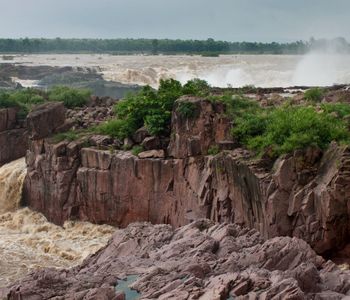
Nearby Raneh Falls deserves a detour, too. The Ken River plunges through a striking gorge of crystalline granite banded in shades of red, pink, and dove grey. Visit during or just after the monsoon, when the water thunders at full force, and the colors in the rock face seem to glow against the white spray.
Getting There and Getting Around
Reaching Khajuraho is easier than you might expect. The town has its own domestic airport, with regular flights from Delhi and Varanasi. Road connections link it to Jhansi and Satna, both major railway hubs. Once you're here, auto-rickshaws buzz between the temple groups and local eateries with cheerful efficiency.
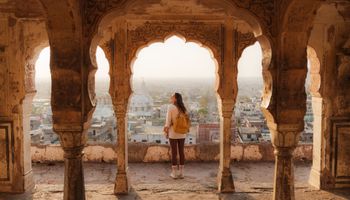
But here's a local secret: rent a bicycle. Pedaling through Khajuraho's quiet morning streets — past tea stalls where chai brews in battered aluminum kettles, past children walking to school, past temple spires glowing in the early light — is one of the simplest and most rewarding pleasures the town offers.
When to Go
Plan your visit between October and March. These cooler months bring pleasant walking weather, and you can linger at the temples for hours without wilting. Summers in this part of Madhya Pradesh are punishing — temperatures regularly soar past 45°C, turning prolonged outdoor exploration into an endurance test rather than a joy.
The Kind of Place That Changes What You Expect
Most visitors arrive in Khajuraho expecting the famous sculptures. They leave with something far larger — a deeper reverence for medieval Indian artistry, a quieter understanding of spirituality carved into stone, and the lingering sense that human hands, guided by devotion, can create things that outlast empires. Few places in India concentrate so much visual power in such a peaceful, unhurried setting. Give Khajuraho your time, and it will give you back far more than you came looking for.