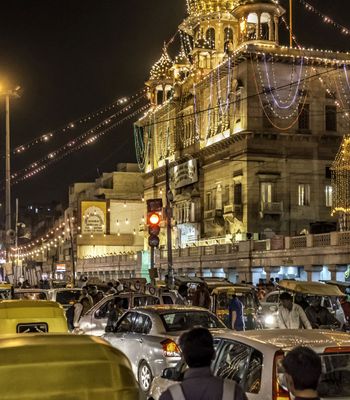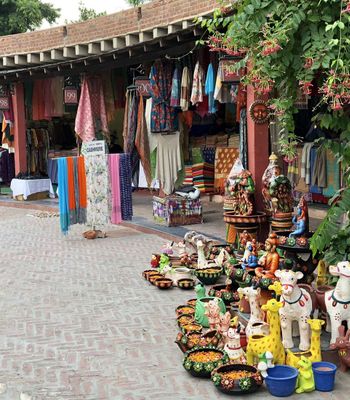
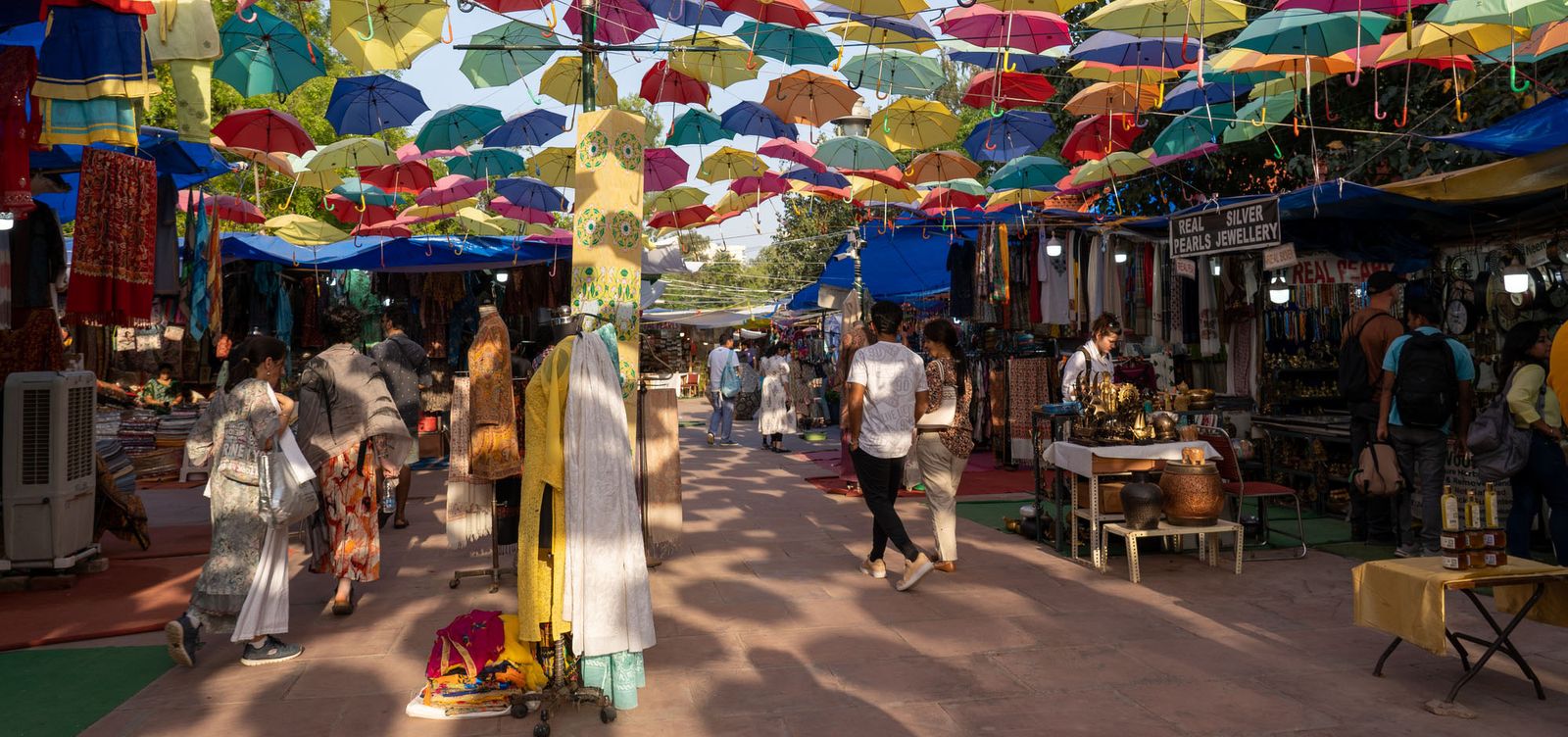
The first thing that hits you isn't the color — it's the sound. A rising wall of haggling voices, honking scooters, sizzling oil, and Bollywood beats spilling from tinny speakers. Then the colors flood in: saffron silks draped over doorways, towers of embroidered cushion covers, glittering bangles catching the afternoon sun. Welcome to Lajpat Nagar, South Delhi's gloriously chaotic shopping heartland — a place no air-conditioned mall could ever replicate.
Sprawling across a maze of lanes and sub-markets, this neighborhood has been Delhi's go-to bazaar for decades. Thousands pour in daily, hunting for wedding lehengas, bargain-priced home textiles, and some of the city's best street food. If you want to understand how real Delhi shops, eats, and socializes, this is your front-row seat.
Born from Resilience: The Market's Roots
In 1947, India's partition sent millions of refugees streaming into Delhi from what became Pakistan, carrying little more than determination. Lajpat Nagar — named after freedom fighter Lala Lajpat Rai — was one of the colonies carved out for these displaced families. Back then, it was a quiet residential settlement dotted with modest neighborhood shops.
But entrepreneurial energy ran deep. Pushcart vendors grew into permanent storefronts. Side streets became commercial arteries. By the 1970s and '80s, the market had earned a citywide reputation for affordable goods and relentless ambition.
That origin story still pulses through every transaction here. Shopping in Lajpat Nagar isn't just retail therapy — it's walking through a living monument to a community that built its livelihood from nothing.
Into the Maze: Navigating Central Market
Forget floor plans and directory boards. Lajpat Nagar's Central Market is an organic tangle of narrow alleys branching in every direction, each one packed with a different universe of merchandise. One turn reveals a wall of shimmering bridal fabrics; the next, a corridor of leather bags stacked floor to ceiling.
Yes, your first five minutes might feel disorienting. Lean into it. The market rewards wanderers, not planners.
Clothing and fabric stores dominate — and the range is dizzying. Heavily embroidered wedding lehengas hang beside everyday cotton kurtas. Jewel-toned dupattas flutter from hooks like prayer flags. Before every major festival and wedding season, this market becomes a pilgrimage site for families outfitting entire guest lists without breaking the bank. Footwear, jewelry, bags, and accessories fill the gaps between textile shops, all at prices that feel almost unfair.
A Treasure Trove for Your Home
Duck into any of the home furnishing shops and you'll find curtains in block-printed Jaipuri cotton, hand-embroidered cushion covers, and bed linens so soft you'll want to redecorate your entire apartment on the spot. Most vendors source directly from manufacturers in Jaipur, Panipat, and other textile hubs, which means prices sit at a fraction of what branded stores charge.
Don't be surprised if you walk out with armfuls of fabric and a receipt that barely dents your wallet.
The Art of the Bargain
Paying the first quoted price in Lajpat Nagar? That's like ordering chai and refusing the sugar — technically possible, but you're missing the whole point. Vendors expect negotiation. They relish it. The dance begins with a number everyone knows is inflated, followed by friendly back-and-forth, theatrical sighs, and a final handshake that leaves both sides grinning.
A good rule of thumb: start at around 40 to 60 percent of the asking price and work your way toward a middle ground. Keep it lighthearted, make eye contact, and enjoy the performance. You're not just saving money — you're participating in a tradition that's older than the market itself.
Where Every Bite Tells a Story
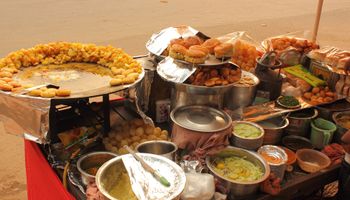
The smoky perfume of frying momos drifts through the lanes long before you spot the stall. Somewhere nearby, a vendor slaps dough onto a hot tawa while another ladles spicy chickpea curry over crispy bhature so puffy they look ready to float away. Lajpat Nagar's food scene isn't a sideshow — for many locals, it's the main event.
No conversation about eating here is complete without Dolma Aunty Momos. This legendary stall draws snaking weekday queues for its steamed and fried dumplings, served with a fiery red chutney that lingers on your lips. The wait is part of the ritual — and entirely worth it.
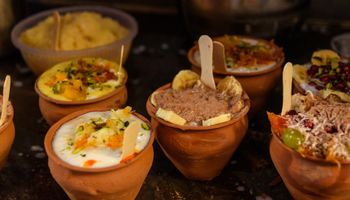
Chaat vendors are scattered everywhere, each one putting a personal spin on golgappas, aloo tikki, and papdi chaat. Crack open a golgappa, and that first rush of tangy, spicy water is pure Delhi in a single bite. For something sweet, seek out the kulfi and rabri carts — cool, creamy, cardamom-scented relief on a warm afternoon. Fresh sugarcane juice and seasonal fruit blends round out the experience for just a handful of rupees.
Honest advice? Budget extra time specifically for eating. Your stomach will thank you.
Beyond the Bustle: Lajpat Nagar's Quieter Side
Most visitors never venture past Central Market, but Lajpat Nagar stretches across four sub-zones — numbered I through IV — each with its own personality. Lajpat Nagar II is home to standalone boutiques and furniture showrooms worth browsing. Over in Lajpat Nagar IV, the pace drops noticeably: tree-lined residential streets hide cozy cafés and bakeries where you can decompress over a flat white and a slice of cake.
Then there's the Mangal Bazaar — a weekly Tuesday market that transforms designated stretches into a bargain hunter's paradise. Temporary stalls pop up selling kitchen utensils, seasonal clothing, and household goods at prices even lower than the Central Market's. Savvy Delhiites plan their entire shopping week around this one day, arriving early for the best picks.
Getting There Without the Headache
Delhi's Violet Line metro drops you right at the dedicated Lajpat Nagar station, just a short walk from Central Market's entrance. Take it. South Delhi traffic can turn a twenty-minute drive into an hour-long ordeal, and the metro sidesteps all of it.
Auto rickshaws and ride-sharing apps work too, delivering you straight to the market gates. Driving yourself? Brace for extremely limited parking and bumper-to-bumper congestion, especially on weekends and during festival season. The metro truly is the stress-free choice here.
When to Go (and When to Avoid)
Central Market hums from roughly 10 a.m. to 9 p.m. daily — except Mondays, when it shuts down entirely. Don't make the mistake of showing up to locked shutters.
Weekday mornings are golden: thinner crowds, breathing room between stalls, and shopkeepers with more time to chat. Weekends and evenings pulse with energy but demand patience, particularly during the festive months of September through November when Dussehra and Diwali shopping hits fever pitch.
October through February brings Delhi's most comfortable weather — crisp, cool air that makes wandering open-air lanes a pleasure. Summer visits? Entirely doable, but temperatures regularly soar past 100°F, so hydrate relentlessly and duck into shops for air-conditioned breaks. Monsoon season (July to September) adds its own drama: sudden downpours can flood low-lying lanes, turning a shopping trip into an obstacle course. Pack an umbrella, wear shoes you don't mind getting wet, and stay nimble.
Street-Smart Tips for First-Timers
Cash is king in Lajpat Nagar. Larger stores may accept UPI payments or cards, but the majority of smaller vendors and every street food stall deal in rupees. Hit an ATM before you arrive.
Keep your bag zipped and close to your body in the densest lanes — crowded markets anywhere in the world attract opportunistic hands, and this one is no exception.
Most importantly, slow down. Strike up a conversation with a shopkeeper about the origin of a particular fabric. Ask a chaat vendor which combination they'd choose for themselves. The market's real magic lives in these unscripted moments — the proud smile of a third-generation store owner, the playful debate over a dupatta's fair price, the stranger who insists you try "the best momos in all of Delhi."
Dedicate a full few hours, keep your curiosity wide open, and Lajpat Nagar will reward you with unforgettable finds, flavors that replay in your memory for weeks, and a raw, unfiltered glimpse into the way Delhi truly lives.