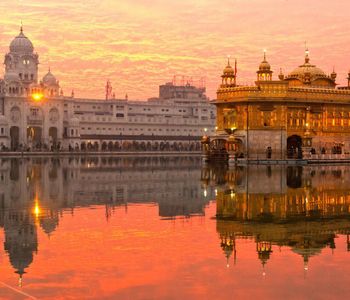
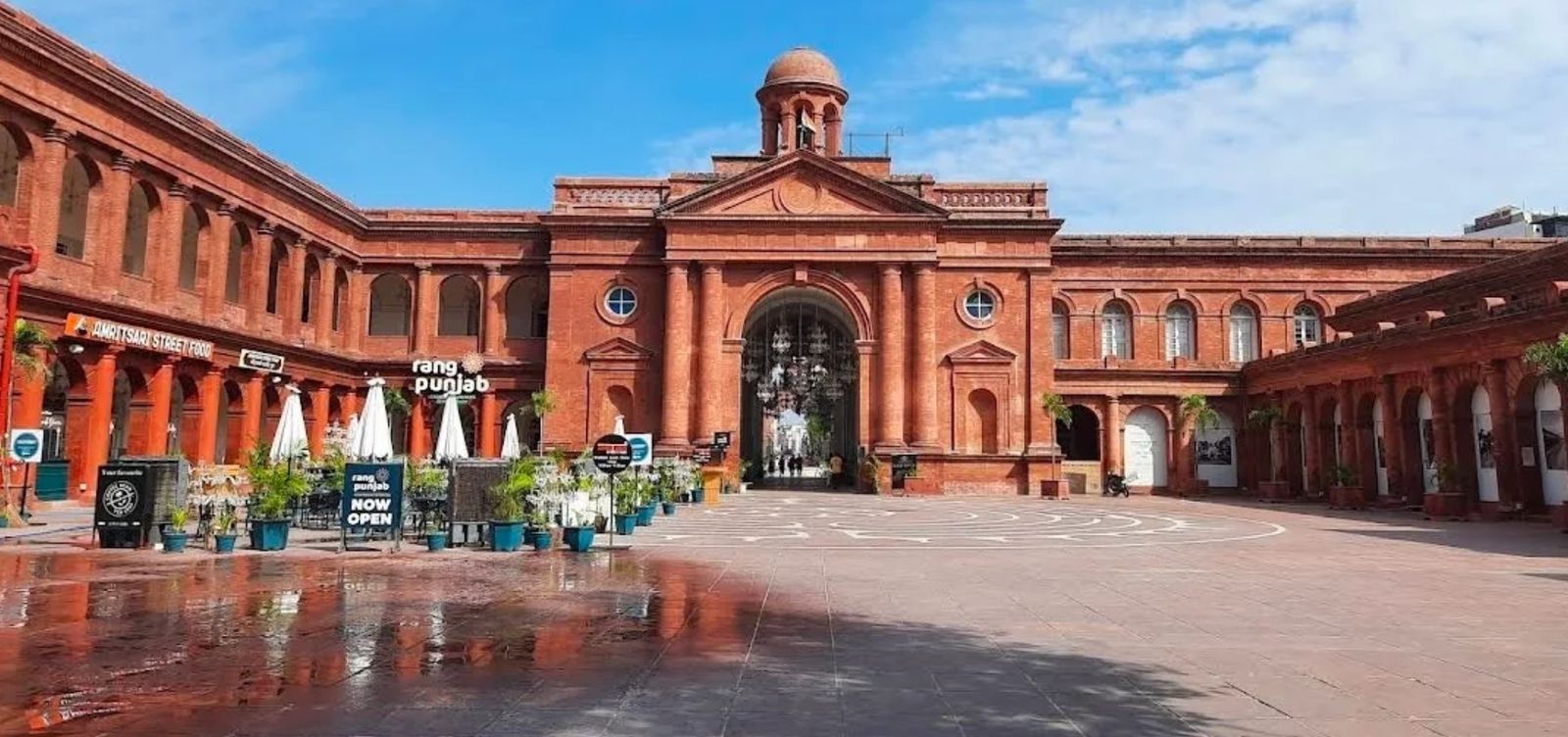
The silence hits you first. One step through the doors of Amritsar's historic Town Hall, and the cacophony of rickshaw horns and street vendors fades into something heavy and reverent — the hush of a million untold stories finally given a place to be heard. The Partition Museum, the world's first museum dedicated entirely to the 1947 division of British India, doesn't just display history. It pulls you into it, artifact by artifact, voice by voice, until the weight of 15 million displaced lives settles somewhere deep in your chest. Opened in 2017, this extraordinary space weaves together personal testimonies, faded photographs, salvaged documents, and the humble belongings that survivors clutched as they crossed freshly drawn borders into uncertain futures. For travelers exploring Amritsar beyond the shimmering beauty of the Golden Temple, nothing else in India quite compares to what awaits inside these red-brick walls.
A Wound That Waited 70 Years to Be Named
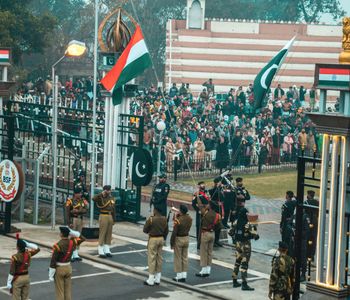
On a sweltering August day in 1947, British India fractured into two nations — India and Pakistan — and with that fracture came one of the most catastrophic humanitarian crises the modern world has ever witnessed. Roughly 15 million people fled their homes. Historians estimate between one and two million perished in the violence, chaos, and displacement that followed. Families who had shared meals together for generations woke up on opposite sides of a border that hadn't existed the night before.
Yet for nearly seven decades, no formal institution existed to hold these memories. Grandparents whispered their stories over evening chai; children pieced together fragments at family gatherings — but no museum, no archive, no public reckoning. The Arts and Cultural Heritage Trust set out to change that, racing against time to collect oral histories and personal artifacts before the last generation of survivors slipped away. Their work culminated on August 17, 2017 — just days after the 70th anniversary of Indian independence — when the Partition Museum finally opened its doors. What stands today is both memorial and living archive, a promise that these stories will outlast the people who carried them.
Red Brick, Arched Windows, and the Weight of Empire
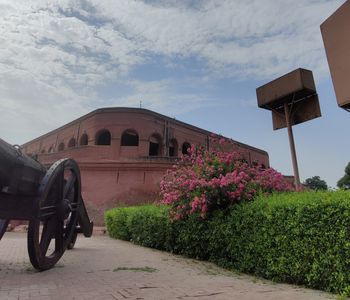
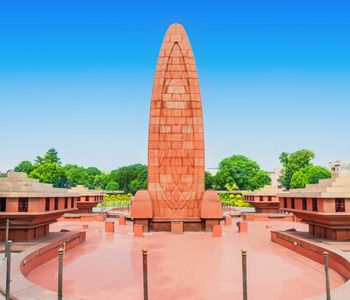
There's a quiet poetry in the museum's home. The Town Hall sits in Amritsar's old city, mere steps from the Jallianwala Bagh memorial — another site that bears witness to the human cost of colonial rule. Built during the British era, the red-brick building itself feels like a character in the story: arched windows filtering soft Punjab sunlight, high ceilings that amplify your footsteps, and colonial-era craftsmanship that whispers of the very empire whose departure tore a subcontinent apart.
Spread across two thoughtfully restored floors, the interior trades the chaotic energy of Amritsar's streets for something contemplative and still. Sturdy columns line spacious corridors where the air feels cooler, quieter, almost sacred. Every architectural detail — the worn stone, the generous proportions — seems designed to slow you down, to prepare you for what the galleries hold.
Fourteen Galleries That Change the Way You See History
A chronological thread stitches together the museum's 14 thematic galleries, guiding you from the political landscape of undivided India through the seismic rupture of Partition and into its long, painful aftermath. Early rooms lay the groundwork with maps, newspaper clippings yellowed by decades, and political documents that reveal just how fraught and tangled the negotiations were. You trace the fault lines forming in real time.
Voices That Refuse to Be Forgotten
Then you reach the oral histories, and everything shifts. Screens flicker to life with the faces of Partition survivors — elderly men and women recounting, in voices that still crack with grief, the night they fled their homes. A mother describes losing her daughter in a surging crowd at a train station. A man recalls the smell of smoke rising from the neighborhood where he grew up. These aren't scripted performances; they're raw, unfiltered human memory, and they root you to the spot. Don't be surprised if you linger here far longer than planned — many visitors do, unable to walk away from testimony that no textbook could ever capture.
A Trunk, a Quilt, a Faded Photograph
What stops your breath, though, are the ordinary things. A hand-stitched quilt folded with care. A battered trunk, its corners dented from a desperate journey across a new border. Faded identity documents. Household utensils that once sat in kitchens that no longer exist. Survivors and their descendants donated these objects, and each one is paired with the specific story of the person who carried it — a name, a family, a life interrupted. That trunk isn't luggage anymore; it's proof that someone survived. The intimacy is almost unbearable, and entirely unforgettable.
Where Grief Gives Way to Something Brighter
Mercifully, the museum doesn't leave you in the dark. Its final gallery turns toward resilience — letters exchanged across borders by separated family members, reunion photographs capturing embraces decades in the making, and stories of communities rebuilt from nothing. Hope, stubborn and persistent, runs through every display. You walk out not with sorrow alone, but with something closer to purpose — a quiet resolve that these stories matter, and that remembering them is itself an act of courage.
Why This Museum Matters Far Beyond Amritsar
No other institution on Earth does what the Partition Museum does. For generations, the trauma of 1947 lived in whispered family lore — acknowledged in private but absent from any formal, public space. By giving these memories a permanent home, the museum validates the experiences of millions who survived and honors the millions who didn't.
School groups file through the galleries regularly, students encountering perspectives that leap far beyond their textbooks. University researchers pore over the archives. International visitors — many of whom had little awareness of Partition's staggering scale — leave visibly shaken and deeply educated. In a world where so much history gets flattened into dates and statistics, this museum insists on the individual. It bridges enormous gaps in global awareness, one human story at a time.
Everything You Need to Know Before You Go
Doors open Tuesday through Sunday, 10 a.m. to 5 p.m. (closed Mondays and select national holidays). Block out at least two to three hours — the 14 galleries are dense with text, audio, and video installations, and rushing through them robs the experience of its power. Let the museum unfold at its own pace; it rewards patience.
Entry fees remain remarkably accessible: around ₹10 for Indian citizens and approximately ₹500 for international visitors. Children under five enter free. Double-check pricing before your visit, as fees may update periodically. Guided tours are available and well worth it — a knowledgeable guide layers in context and connections you might otherwise miss.
Finding Your Way There
Nestled in Amritsar's old city near both the Golden Temple and Jallianwala Bagh, the museum is easy to reach by auto rickshaw, taxi, or simply on foot if you're already wandering the area. From Amritsar Railway Station, expect roughly a 10-minute drive. Sri Guru Ram Dass Jee International Airport sits about 30 minutes away by car. Fair warning: the surrounding lanes buzz with traffic and pedestrians, especially on weekends, so arriving early gives you both a calmer commute and a quieter start to your visit.
A Few Things Worth Knowing
Check gallery signage before pulling out your camera — photography rules vary from room to room. Comfortable shoes are essential; two floors of exhibits add up to a lot of walking. Vendors just outside the Town Hall sell water and light snacks when you need a breather. And here's the best advice anyone can give you: pair your museum visit with a walk to Jallianwala Bagh and the Golden Temple, both only minutes away on foot. Together, these three sites form an unforgettable thread through Amritsar's layered, complicated, and deeply moving history.
What the Partition Museum ultimately offers isn't just education — it's transformation. By preserving the voices and belongings of those who endured one of history's most seismic upheavals, it turns abstract tragedy into something viscerally felt. Dedicate a morning or afternoon here, and you'll carry Amritsar with you long after the city disappears from your rearview mirror — not just as a place you visited, but as a place that changed the way you understand the world.