The bullet holes are still there. Hundreds of them, pocked into weathered brick — silent, unflinching witnesses to ten minutes that changed a nation forever. Jallianwala Bagh isn't just a memorial. It's a place where history lives in the walls, in the air, in the weight you feel settling on your chest the moment you step through that impossibly narrow passageway.
On April 13, 1919, British troops opened fire on a peaceful gathering of unarmed civilians in this enclosed garden, killing hundreds and wounding over a thousand more. Today, those scarred walls still stand. The well where 120 people leaped to their deaths still gapes open. And the corridor — barely wide enough for a few people to walk abreast — still channels visitors into the garden the same way it funneled a trapped crowd with nowhere to run.
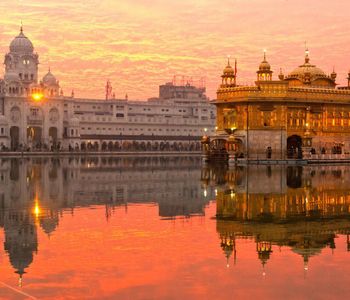
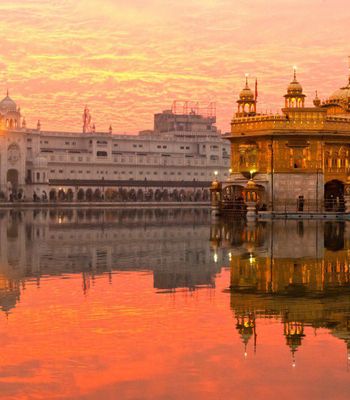
Located in the heart of Amritsar, Punjab, just a short walk from the Golden Temple's shimmering facade, Jallianwala Bagh draws visitors from every corner of the world. They come not for spectacle, but for understanding — to stand on ground that shaped modern India's fight for freedom.
The Day That Shook an Empire
Anger was already boiling across India in early 1919. The Rowlatt Act — which gave British authorities the power to imprison people without trial — had ignited furious protests, and Punjab burned hottest of all. Martial law gripped Amritsar. Tension crackled through its streets like a live wire.
Then came Baisakhi, the beloved Punjabi harvest festival. On April 13, thousands of men, women, and children streamed into Jallianwala Bagh — some to celebrate, many fresh from pilgrimage at the Golden Temple, completely unaware that public gatherings had been banned. Families spread out on the grass. Children darted between groups. The mood was festive, unsuspecting.
Without a single word of warning, Brigadier General Reginald Dyer marched his soldiers to the garden's lone narrow entrance and gave the order to fire.
For approximately ten minutes, an estimated 1,650 rounds tore into the crowd. British records acknowledged 379 dead and over 1,200 wounded — but Indian sources, including the Indian National Congress, placed the toll far higher. High walls sealed every side of the garden. There was nowhere to go. Desperate civilians clawed at the walls, crushed against each other, threw themselves into the compound's only well. That well became a grave for 120 souls.
Walking Where History Still Breathes
You feel it before you see anything — the compression of that entrance corridor squeezing around you, walls close on both sides, footsteps echoing off stone. This passageway was the only way in or out in 1919. Shuffle through it shoulder-to-shoulder with other visitors, and the realization hits your gut: there was no escape.
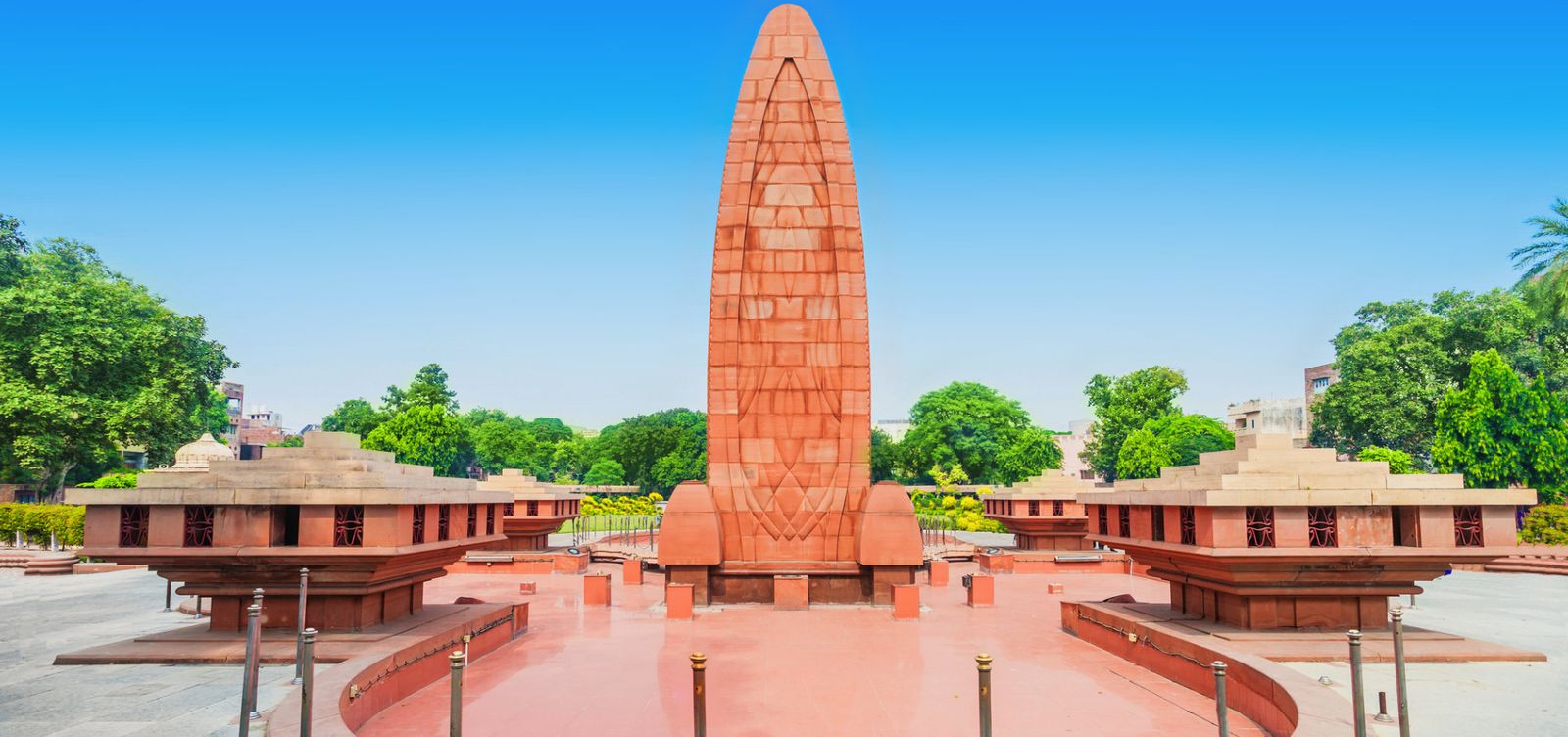
Beyond the corridor, the garden opens into well-maintained lawns crisscrossed by pathways and dotted with monuments. At its center burns the Amar Jyoti — the Eternal Flame — ringed by stone plaques inscribed with the names and details of those who perished. Strangers stand here together in silence. Nobody needs to be told. The ground beneath your feet holds the story.
Scars Etched in Brick
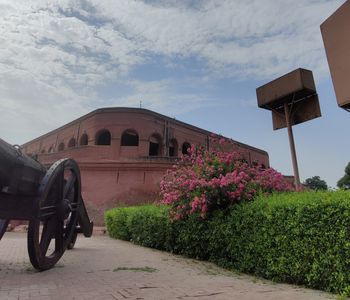
Run your eyes along the enclosing walls and you'll find them everywhere — hundreds of bullet holes punched deep into the brick, each one deliberately preserved. Glass panels now shield some sections, ensuring these marks survive for generations to come. Trace the spray pattern with your gaze and the geometry of terror becomes visceral: soldiers firing into a cornered crowd, bullets fanning across the garden without discrimination. No photograph prepares you for seeing it in person.
A Well That Holds More Than Water
Tucked in one corner of the garden, behind a protective railing and glass enclosure, sits the Martyrs' Well. During the massacre, terrified men, women, and children flung themselves over its edge — choosing the darkness below over the bullets above. An estimated 120 bodies were pulled from its depths. A plaque recounts the horror in spare, factual sentences, but the well itself says more than words ever could. For many visitors, this is where tears come. There's no preparing for it.
A Story Retold Through Light and Sound
In 2019, marking the centenary of the massacre, the Indian government completed a major renovation of the site. A new museum and gallery complex now stands on the grounds, and it's worth every minute of your time. Inside, a sound-and-light presentation plunges you into the events of April 13, 1919 — archival photographs flash across screens, narrated accounts fill the darkened room, projections trace the chaos minute by harrowing minute.
Murals across the gallery walls depict pivotal moments from India's independence movement, while display panels lay out detailed timelines, personal testimonies, and rare historical documents. Spend time here before walking the grounds. The context transforms everything — every bullet hole, every brick, every blade of grass becomes part of a larger, deeply human story.
The Ripple That Became a Tidal Wave
What happened inside these walls didn't stay inside these walls. The massacre electrified India's independence movement and turned global opinion sharply against British rule. Mahatma Gandhi channeled the nation's grief and rage into his Non-Cooperation Movement. Rabindranath Tagore, one of India's greatest literary voices, returned his knighthood in protest. Across continents, condemnation poured in, and Britain's moral authority over its colonies began to crack irreparably.
Every year on April 13, memorial services and wreath-laying ceremonies fill the garden. Government officials, military personnel, and ordinary citizens stand side by side to honor the fallen. Since 1951, the Indian government has protected Jallianwala Bagh as a national memorial — ensuring this ground remains sacred, untouched, and unforgotten.
Before You Go: What Every Visitor Should Know
Gates open daily from 6:30 a.m. to 9 p.m., year-round. Remarkably, there is no entry fee — this memorial belongs to everyone. Set aside at least one to two hours to explore the grounds and museum without feeling rushed.
Early morning is the time to come if you crave quiet reflection. Arrive shortly after the gates open and you'll have the pathways nearly to yourself — just birdsong, soft footsteps, and the hush of a place that demands reverence. Afternoons bring larger crowds, particularly on weekends and national holidays.
Finding Your Way There
Navigating to Jallianwala Bagh couldn't be simpler. The memorial sits roughly 500 meters from the Golden Temple, and most travelers visit both in a single day — an easy, meaningful pairing. From Amritsar Railway Station, a ten-minute auto rickshaw or taxi ride drops you at the old city entrance. Local buses also connect major points to the surrounding neighborhood. Flying in? Sri Guru Ram Dass Jee International Airport lies about 11 kilometers away, with taxis queued outside the terminal.
Tips to Make Your Visit Count
Pull on comfortable walking shoes — stone pathways cover the grounds, and you'll want to move freely. Between April and June, Amritsar's heat can soar past 110°F, so pack water, sunscreen, and a hat. November through February brings cooler, gentler weather that makes lingering outdoors far more comfortable.
Above all, carry a spirit of respect. Jallianwala Bagh may be a public garden, but it remains a place of mourning and national remembrance. Keep voices low. Pause where you feel moved to pause. Let the silence do the talking.
Some places teach you history from a textbook. Jallianwala Bagh teaches it through the soles of your feet — through a corridor that tightens around you, walls that still bear their wounds, and a well that refuses to let you look away. Walk through, and you leave carrying something that stays: a bone-deep understanding of what freedom cost, and why it must never be taken for granted.