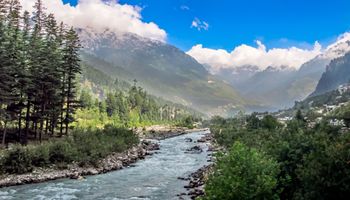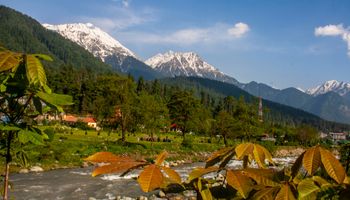


The first thing you notice about Haridwar isn't the temples or the pilgrims or the saffron-robed sadhus drifting through the lanes. It's the water. The Ganga here runs fast, cold, and startlingly green — not the opaque brown of the plains but something closer to a mountain river, because that's essentially what it still is. Haridwar sits at the precise point where the Ganges abandons the Shivalik foothills and spills onto the Indo-Gangetic plain, and that single geographic fact shapes everything about the place.
Where Varanasi overwhelms — with its labyrinthine alleys, its funeral pyres, its sheer density of human experience pressed against the riverbank — Haridwar operates at a lower frequency. The rituals are just as ancient, the devotion just as fierce, but the volume is turned down enough that you can actually hear the river. This isn't Varanasi's gentler cousin. It's a different conversation entirely, one conducted between stone steps and rushing water rather than between death and eternity.
What follows isn't a comparison designed to crown a winner. It's an argument for paying attention to a city that most travelers treat as a transit stop on the way to Rishikesh — and in doing so, miss one of North India's most genuinely affecting places.
Why Haridwar Lives in Varanasi's Shadow — And Shouldn't
Varanasi has the literary pedigree. Mark Twain wrote about it. So did Tulsidas, and every Western travel writer who's arrived at Dashashwamedh Ghat at dawn and felt compelled to announce they'd witnessed something profound. Varanasi is India's go-to metaphor for spiritual intensity, and it earns that reputation honestly. But reputation has a way of flattening everything around it.
Haridwar's problem isn't that it's lesser — it's that it's quieter about what it offers. The city is one of Hinduism's seven holiest sites, a place where the Kumbh Mela draws tens of millions every twelve years, where the river still runs fast enough to knock you off your feet if you're careless at the bathing steps. None of this is minor. Yet somehow the default traveler narrative skips right past it.
Part of the reason is practical. Haridwar lacks the photogenic decay that draws photographers to Varanasi — no crumbling maharaja palaces tilting toward the river, no smoke-wreathed cremation ghats. What it has instead is velocity. The Ganga moves through Haridwar with genuine force, and that current gives the city an energy that feels less contemplative than kinetic. You don't sit and meditate on mortality here. You grip the chain anchored into the ghat steps and feel the river try to pull you south.
That physical immediacy is exactly what makes Haridwar worth your time. Spirituality here isn't abstract. It's the shock of glacial water against your shins at six in the morning.
Getting There: The Journey Tells Its Own Story
From Delhi, you have three real options, and each reveals something different about the country you're moving through. The Shatabdi Express takes about four and a half hours and deposits you at Haridwar Junction with the efficiency of a system that occasionally, improbably, works exactly as designed. The train cuts through sugarcane fields of western Uttar Pradesh before the land begins to ripple and the first low hills appear outside your window — that transition, from flat plain to foothill, is the geographic thesis of the entire trip.
Driving takes roughly the same time but costs you more in psychic energy. The highway out of Delhi is a masterclass in Indian road logic: six lanes narrowing to two without warning, trucks decorated like mobile shrines, and the occasional sacred cow establishing right of way through sheer indifference. Past Roorkee, though, the road quiets. The air changes. You smell damp earth and eucalyptus before you see the first temple spire.
The budget option is a state bus from ISBT Kashmere Gate — uncomfortable, cheap, and honest. The kind of travel that doesn't pretend to be anything other than transportation. Whichever way you arrive, Haridwar announces itself the same way: a sudden tightening of the streets, the sound of temple bells layered over traffic, and then, between buildings, a flash of green water moving faster than you expected.
Beyond Har Ki Pauri: The Ghats Only Locals Know
Every guidebook sends you to Har Ki Pauri, and you should go — it's the city's spiritual epicenter, the spot where Vishnu supposedly left his footprint. But Har Ki Pauri at peak hours is an exercise in crowd management, not contemplation. Priests compete for your attention, touts offer puja packages at inflated rates, and the steps are so packed during evening aarti that personal space becomes a theological concept rather than a physical reality.
Walk upstream instead. Ten minutes north of Har Ki Pauri, the ghats at Subhash Ghat and Asthi Pravah Ghat thin out dramatically. Local families bathe without performance here. Old men sit on the steps with steel tiffins, eating lunch in silence while the river rushes past. The stone is worn smooth by centuries of bare feet, and nobody tries to sell you anything. This is the Haridwar that exists when no one's watching.
Further along, toward Neel Dhara — where the river splits around a small island — you'll find women doing laundry on rocks, slapping fabric against stone in a rhythm that hasn't changed in generations. The water here is shallow enough to wade but still powerfully cold, fed by Himalayan snowmelt that hasn't had time to warm. Sit on the steps long enough, and the distinction between sacred and ordinary dissolves completely. The river doesn't care whether you're performing a ritual or just cooling your feet. It treats both with the same indifferent force.
The Ganga Aarti: Same River, Different Ceremony
Varanasi's aarti at Dashashwamedh Ghat is a production. Seven priests move in choreographed unison, heavy brass lamps trailing fire, drumbeats building toward crescendo, and hundreds of boats packed with tourists filming it all on smartphones. It's spectacular the way a concert is spectacular — rehearsed, polished, designed to be witnessed from a distance. You watch it happen. You're the audience.
Haridwar's aarti at Har Ki Pauri operates on a different contract. The fire is smaller. The priests are less theatrically precise. But the river is right there — not the wide, slow Ganga of Varanasi but a fast, narrow channel that catches the reflected flames and shatters them into moving fragments of light. When devotees place leaf boats carrying marigolds and tiny oil lamps onto the water, the current snatches them away instantly. In Varanasi, those offerings drift. Here, they sprint downstream and vanish.
That speed changes the emotional register of the entire ceremony. Less grandeur, more urgency. The prayers feel less like meditation and more like conversation — quick, earnest, directed at something that's actively moving. Nobody's performing for a camera. The woman next to you is crying. The man behind you is singing off-key with complete conviction. You're standing close enough to feel the heat of the flames on your face and the mist from the river on your back, simultaneously.
Neither aarti is better. But Haridwar's is the one where you forget you're a tourist.
Why Haridwar Stays With You Long After You Leave
Most holy cities trade on their ancientness, their weight of accumulated centuries. Haridwar does this too, but what lingers isn't the history. It's the temperature of the water. The particular way evening light turns the river from green to copper in the space of twenty minutes. The sound of the current at night, audible from your hotel room, constant and unhurried — the one thing in India that doesn't honk.
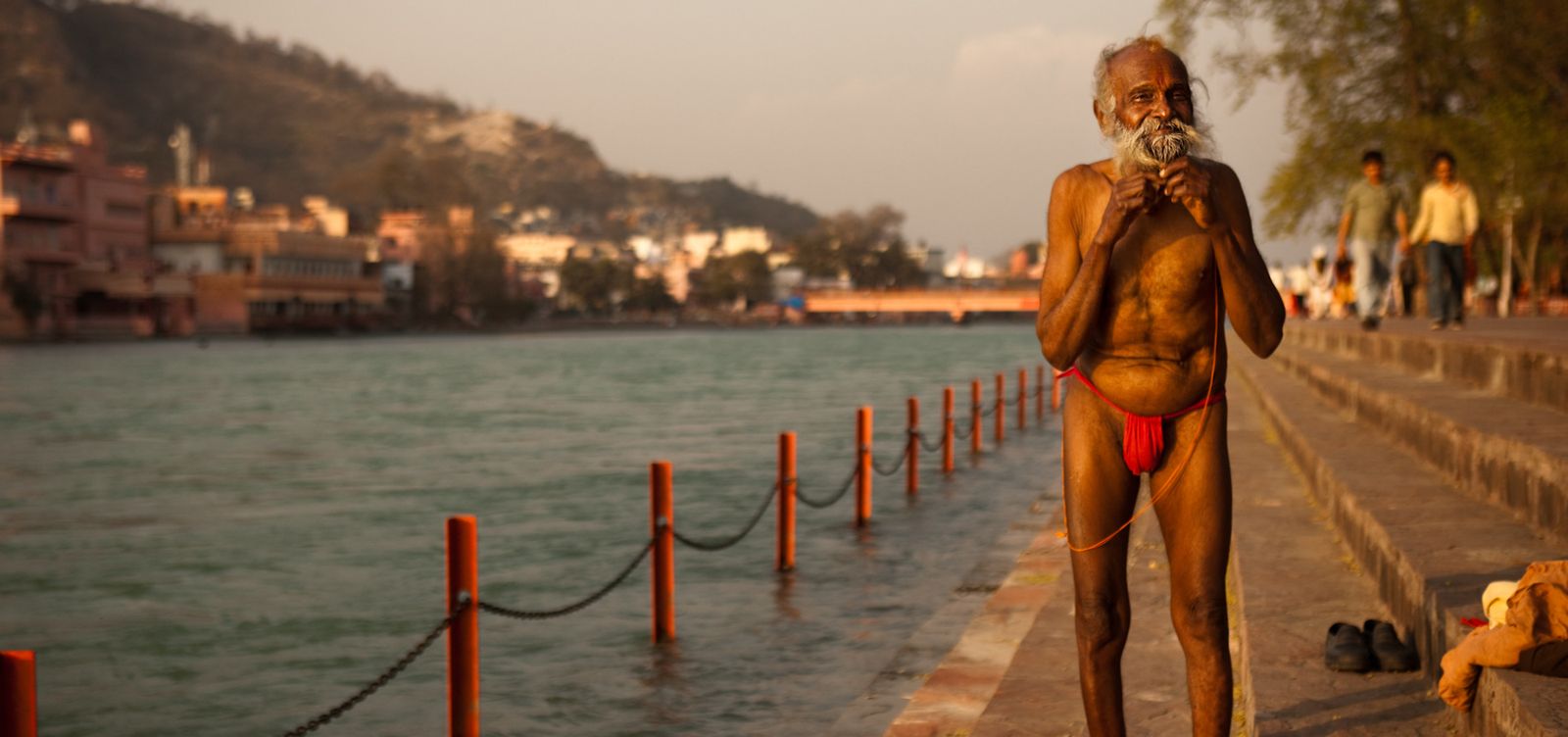
I've met travelers who spent three days in Varanasi and spoke about it for years. That's the nature of a city built around the extremes of human existence — birth, death, cremation, salvation. Haridwar doesn't offer that intensity. What it offers is rarer: a place where the sacred feels ordinary, where devotion isn't a spectacle but a daily practice as unremarkable as brushing your teeth. You watch an eighty-year-old man lower himself into freezing water at dawn, gasping but smiling, and you understand that this isn't theater. This is just Tuesday.
Go to Varanasi. It deserves its legend. But on the way back, stop in Haridwar. Skip the souvenir shops near the station. Walk to a ghat that isn't in your guidebook. Put your feet in the river and let the cold take your breath for a second. You won't write a poem about it. You won't have an epiphany. But months later, in some ordinary moment, you'll remember the way that water pulled at your ankles — insistent, ancient, absolutely indifferent to whether you understood it — and you'll want to go back.