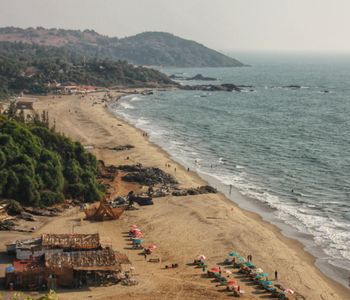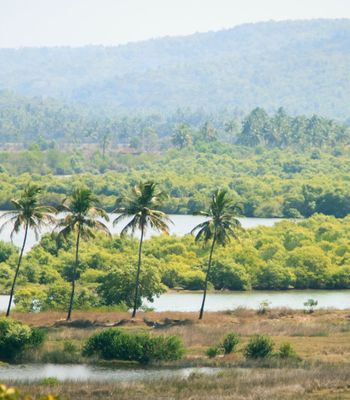
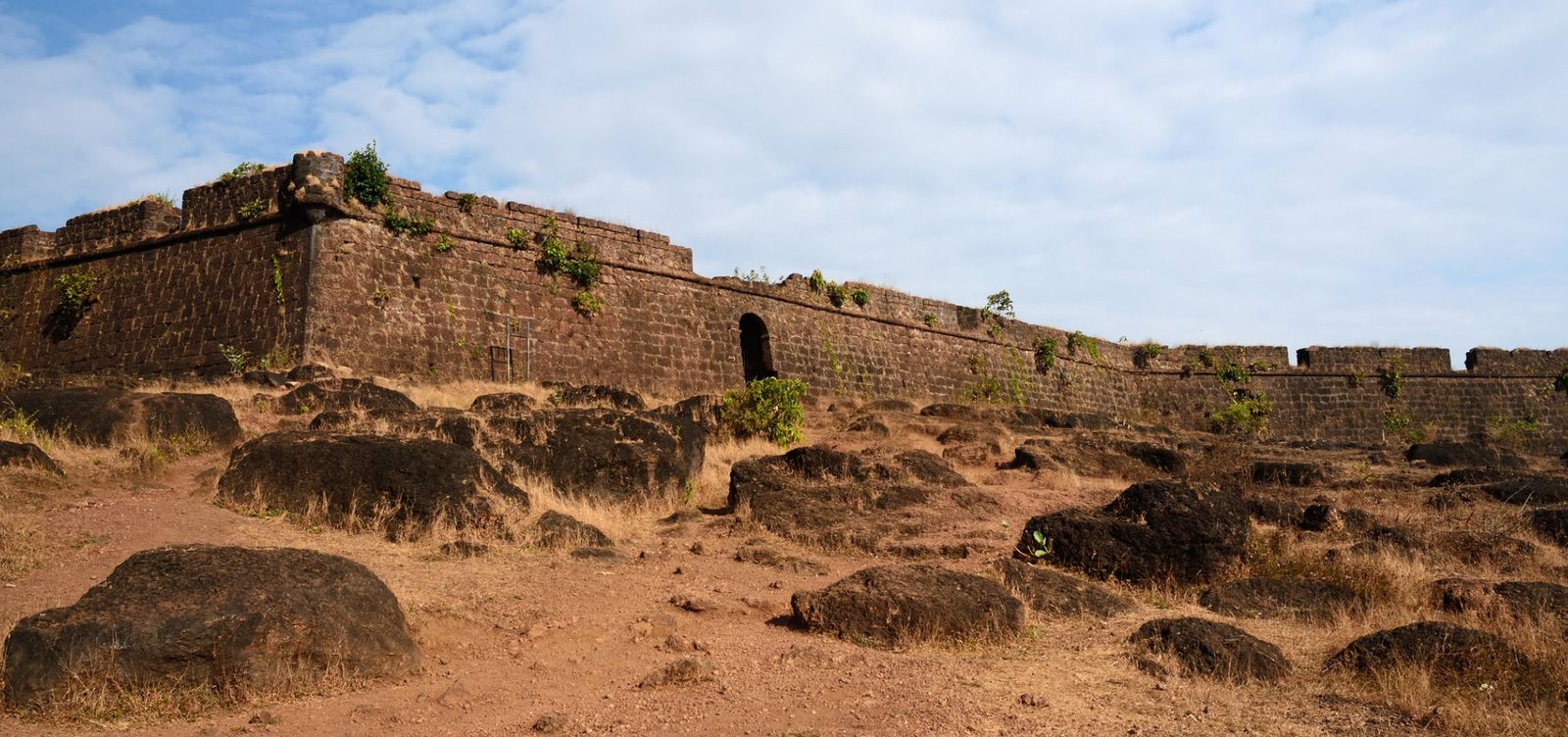
Chapora Fort has no grand halls. No ornate carvings. No museum. What it has is a crumbling laterite perimeter wall, a few stubborn stretches of bastion, and a view that earns every one of the steep minutes it takes to reach. From the wind-scoured plateau, the Chapora River bends silver toward the Arabian Sea on one side while Vagator Beach sprawls rust-red and pale below on the other. Most people know this place — whether they realize it or not — from the final scene of Dil Chahta Hai, that Bollywood landmark where three friends sit on these exact walls, staring out at nothing in particular. That single scene turned a ruin into a pilgrimage site for an entire generation of Indian travelers. The irony is considerable: a fort built for war, remembered for a film about friendship.
A History Written in Siege and Surrender
The hilltop where Chapora sits has been contested ground since at least the late fifteenth century. Adil Shah of Bijapur built a fort here around 1617, naming it Shahpura — from which "Chapora" is a Portuguese corruption. The Sultanate wanted this position because it controlled the mouth of the Chapora River, a critical entry point for any naval force with designs on North Goa.
The Portuguese seized it in 1617, lost it to Maratha forces under Sambhaji in 1684, then clawed it back in 1717. Each conquest brought rebuilding; each retreat brought demolition. The Portuguese eventually added two tunnels — escape routes running underground to the riverbank — because they'd learned the hard way that this fort attracted trouble. By the mid-eighteenth century, they'd largely abandoned Chapora in favor of the more defensible Aguada Fort to the south. Without anyone to patch the monsoon damage, the laterite walls began their slow collapse back into the earth.
What remains today is skeletal. And that's precisely what gives the place its character.
What the Walls Left Behind
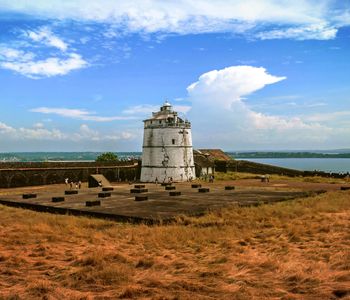
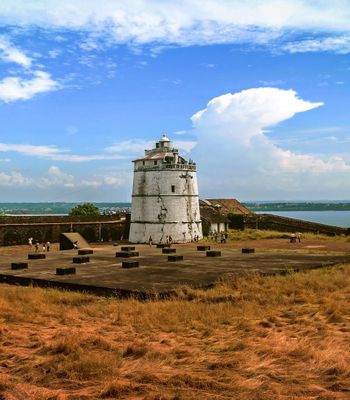
Don't come expecting rooms to walk through or informational plaques to read. Chapora Fort is essentially an open plateau enclosed by partial walls — some rising barely to waist height, others still standing at their original six or seven feet. The laterite stone, that distinctive rust-orange rock native to tropical India, has been softened by centuries of monsoon rain into something almost organic, as if the fort is slowly merging with the hill rather than perching on top of it.
The most intact section runs along the northern edge, where you can trace the outline of bastions that once held cannon positions aimed at the river mouth. Walk the perimeter and you'll notice the ground drops away sharply on three sides. The strategic logic reads clearly even now — attackers would have had to climb exposed hillside under direct fire. On the fourth side, the southern approach, the terrain eases. That's where you'll climb in.
Here's what surprised me about Chapora: its emptiness is its greatest asset. Without the distraction of restored interiors or guided tours, you're left with the landscape alone — and the landscape does all the work. The panorama stretches from Morjim Beach in the north to the red cliffs of Vagator directly below. Late afternoon light turns the whole scene amber, and the wind at this elevation carries the faint salt-and-fish smell of the coast right up to where you stand. No interpretation needed. The place speaks in plain sentences.
The Climb That Earns the View
Reaching the fort requires a short but steep hike from the base of the hill. The path starts near the Vagator Beach road, and the ascent takes roughly ten to fifteen minutes depending on your pace and the heat. There's no paved walkway — just a dirt trail with exposed laterite rock that gets treacherous during the monsoon months from June through September. Wear shoes with grip. Flip-flops are a bet you'll lose.
The trail offers no shade for most of its length. Between March and May, midday sun is merciless, and the hilltop provides zero shelter. Early morning — before 8 a.m. — gives you cooler air and far fewer people. Sunset pulls the heaviest crowds, and the plateau gets genuinely packed on weekends and holidays. A weekday morning remains your clearest shot at solitude with the view.
There are no water vendors or food stalls at the top. Carry your own. The nearest shops cluster at the base of the hill near the parking area, where a handful of small stands sell water, coconuts, and the occasional samosa still warm from the oil.
Getting There Without the Headache
Chapora Fort sits about ten kilometers north of Mapusa, the main market town of North Goa. From the Calangute-Baga beach strip, it's roughly a twenty-minute scooter ride along roads that wind through coconut groves and small villages. Scooter rental is the dominant way to move through North Goa, and most guesthouses can arrange one for 300 to 400 rupees per day.
If you'd rather not drive, hire a taxi from Vagator or Anjuna. Auto rickshaws also ply this route, though negotiating the fare before departure spares you the argument at the other end. The fort has no formal parking lot, but a cleared area near the trailhead accommodates two-wheelers and cars. On busy evenings, parking spills onto the roadside and patience runs thin.
There is no entry fee. The Archaeological Survey of India maintains nominal oversight, but the site operates without gates, ticket counters, or restricted hours. You can technically visit at any time, though after dark the unlit trail becomes a liability.
Vagator Below, Chapora Beyond
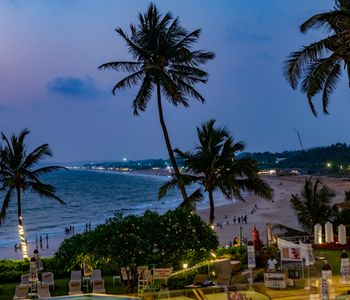
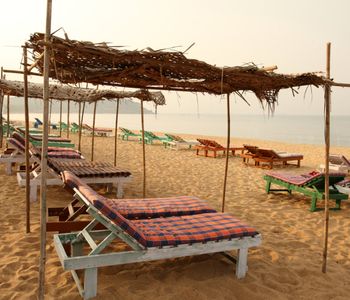
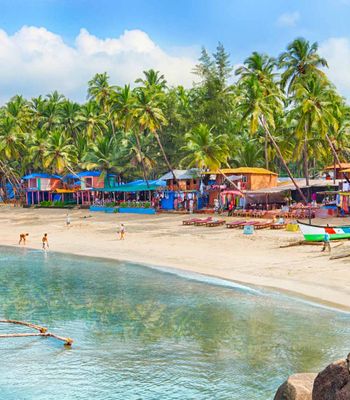
The fort works best as part of a half-day spent along this stretch of coastline. Vagator Beach sits directly below the fort's southern wall — a dramatic cove framed by dark basalt formations and backed by red laterite cliffs. Little Vagator, or Ozran Beach, lies slightly further south and draws a quieter crowd. Both have shack restaurants where you can eat fried fish with your fingers, drink cold Kingfisher, and order passable Goan curry rice without paying resort prices.
North of the fort, the Chapora River estuary opens into a wide tidal flat where local fishermen haul in their morning catch. Walking along the river's edge at low tide is a different world from the tourist beaches — quieter, working, unhurried. The village of Chapora itself has a small fish market that operates in the early morning hours, worth the detour if you're already up for a sunrise trip to the fort.
What a Ruin Can Still Teach You
Chapora Fort won't overwhelm you with architectural grandeur or historical exhibits. It doesn't try. What it offers is simpler and, along Goa's increasingly developed coastline, increasingly rare — an elevated piece of ground where the past has been worn down to its essentials, and the view hasn't changed in four hundred years. Sit on the warm laterite wall as the afternoon fades. Watch the fishing boats trace lines across the river mouth. For a fort that lost every battle worth remembering, Chapora has managed to outlast nearly everything around it.