The first thing you notice is the quiet. Not silence — the Arabian Sea still crashes against the shore, and the crows still have opinions about everything — but a conspicuous absence of thumping bass, hawkers shouting prices, and the general carnival atmosphere that North Goa wears like a badge. South Goa doesn't compete. It simply doesn't care to.
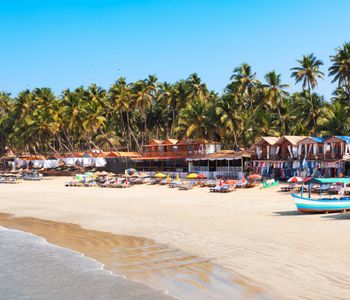
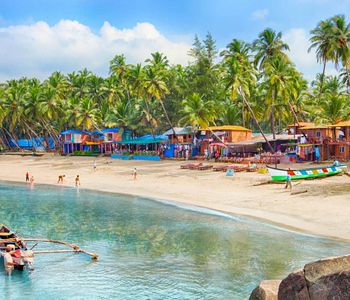
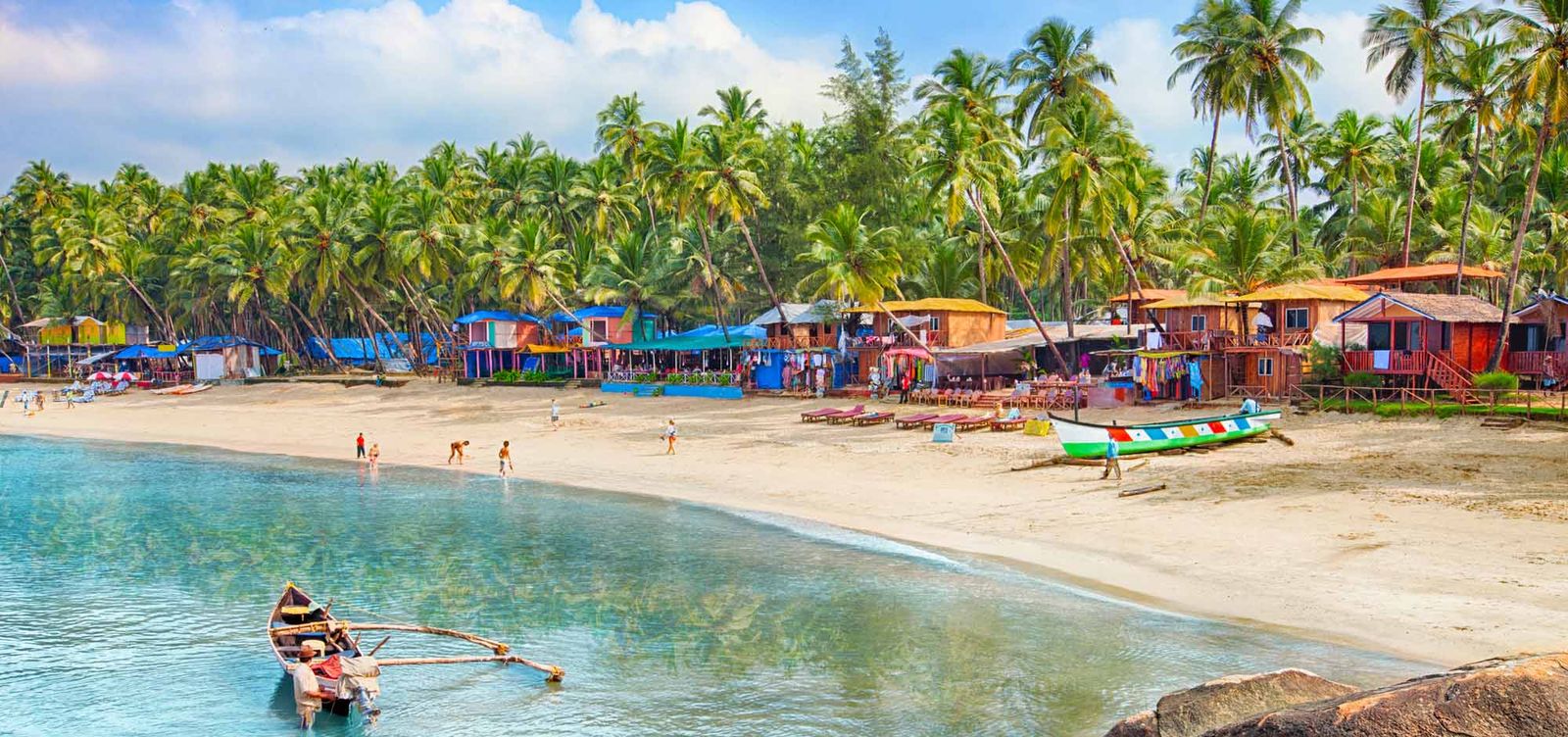
This is the half of Goa that most first-timers skip, which is precisely why it rewards the ones who don't. Below the Zuari River, the coastline stretches long and unhurried, the beaches wider and emptier, the sand a shade whiter. Palolem curves in a gentle crescent fringed by palms that lean toward the water as if they've been listening to the waves for centuries. Agonda, a few kilometres north, is even more subdued — a beach where you can walk for ten minutes and your only company might be a Brahminy kite wheeling overhead.
The Colour Beneath the Calm
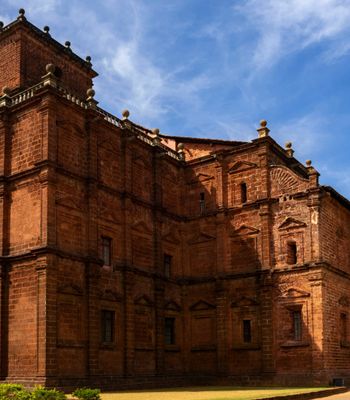
Don't mistake quiet for dull. South Goa carries centuries of Portuguese colonial history in its churches, its kitchens, and its crumbling manor houses. The Basilica of Bom Jesus in Old Goa draws the crowds, but drive south to Rachol and you'll find a sixteenth-century seminary still functioning, its courtyard silent except for birdsong and the shuffle of sandals on laterite stone.
Margao, the district's commercial heart, runs on a different clock. Its municipal market opens early and with purpose — vendors stacking pyramids of kokum fruit while dark red garlands of dried Goan sausages swing from ceiling hooks, their peppery-vinegar smell thick enough to taste.
The mansions of Chandor tell a more complicated story. Braganza House, split between two branches of the same family, opens its doors to anyone willing to knock. Inside, Belgian chandeliers hang from teak ceilings. Porcelain from Macau sits in rosewood cabinets. The floorboards creak under your weight, and paint curls off the ballroom walls in slow surrender. It is fading and glorious and completely real — not a museum piece under glass, but a family home holding on to what it can.
Where the Canopy Swallows the Light
South Goa's interior deserves more than a passing glance on the way to the beach. The Western Ghats rise in the east, and the Cotigao Wildlife Sanctuary sits at the state's southern tip, its forest canopy thick enough to turn midday into dusk. A treetop watchtower gives you a view across the jungle at dawn, when the gaur — massive Indian bison — come to drink at forest streams. You won't see tigers. You will see the kind of green that photographs never get right.
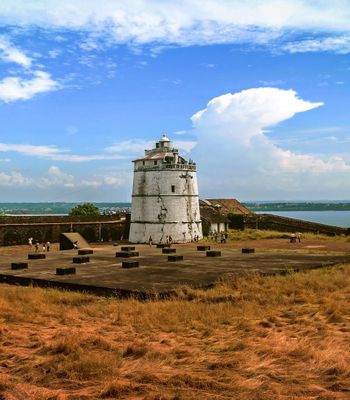
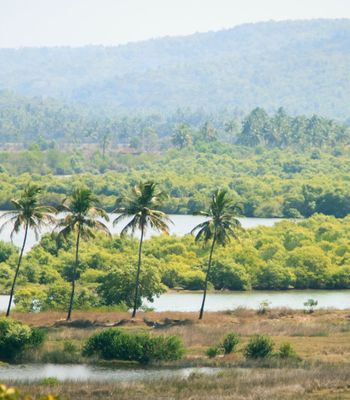
Closer to the coast, the backwaters around Cabo de Rama wind through mangroves and rice paddies. Local fishermen navigate these channels in narrow canoes, pulling in prawns that will end up in someone's curry pot by evening. The fort itself — crumbling, abandoned on a headland — gives you the coastline in both directions, a panoramic sweep with no interpretive signage to get in the way. Its church is roofless. Lizards sun themselves on the altar. There is no entry fee and often no other visitor.
A Kitchen That Doesn't Lie
Food in South Goa arrives without pretension, which is how you know it's good. The fish curry rice — known locally as "xitt kodi" — shows up at beachside shacks exactly as it should: a mound of red Goan rice, a bowl of thin coconut-and-kokum curry with a whole mackerel submerged in it, and a green chili on the side that dares you. At Zeebop by the Sea on Utorda beach, the prawn rawa fry comes coated in a semolina crust so crisp it shatters at the touch of a fork, the flesh inside still tasting of salt water and morning nets.
Then there's feni — cashew spirit distilled in copper pots — which divides opinion like nothing else on the subcontinent. Some find it harsh. Others swear by it as the most honest distillation of a place you'll ever drink. A small glass after a plate of cafreal chicken is an experience that belongs specifically here and nowhere else. Meanwhile, the Goan-Portuguese bakeries in Margao still produce bebinca, that dense, layered coconut cake that takes hours of patient work and vanishes in minutes.
The Luxury of Unhurried Hours
South Goa's greatest luxury can't be packaged or sold: the permission to slow down. Mornings here begin with the grind of fishing boats dragging onto wet sand as the night's catch is hauled in. Afternoons dissolve into a hammock or a dog-eared paperback on a verandah. Evenings arrive with a sky that turns the water copper and pink before dropping into darkness faster than you expect.
There are yoga retreats in Patnem and kayaking routes through the Sal backwaters. You can arrange dolphin-spotting trips from Palolem or motorcycle rides to the spice plantations near Ponda, where cardamom grows on vines taller than you. But nobody pushes an itinerary here. That's the counterintuitive thing about South Goa — for a place that offers so much, it never once asks you to hurry.
The north has the parties. The south has the mornings after, the long lunches, the conversations that stretch until the candles gutter out. For a certain kind of traveler — the kind who's done rushing — that trade-off isn't even close.