Most of Goa's coastline has learned to hustle. Hawkers patrol the sand, bass thumps from shacks, and everything from jet skis to henna tattoos competes for your rupees. Agonda Beach, stretched along two kilometers of South Goa's coast, hasn't received that memo. Or perhaps it has and simply tossed it into the Arabian Sea. What you get here is a wide crescent of coarse golden sand, a shoreline rough enough to discourage most swimmers, and a quiet so deep you can hear the coconut palms creak overhead. It's the kind of beach that asks nothing of you, which is precisely what makes it difficult to leave. For travelers burned out on Goa's party reputation, Agonda functions less as a destination and more as a correction.
A Shoreline with Teeth
Here's the counterintuitive truth about Agonda: the swimming isn't great, and that's part of its appeal. The undertow runs strong, particularly during monsoon season from June through September, and the waves break with a force that catches waders off guard. Lifeguard flags mark the safer zones, but even those sections demand respect. This isn't a lazy lagoon where you float on your back with a paperback.
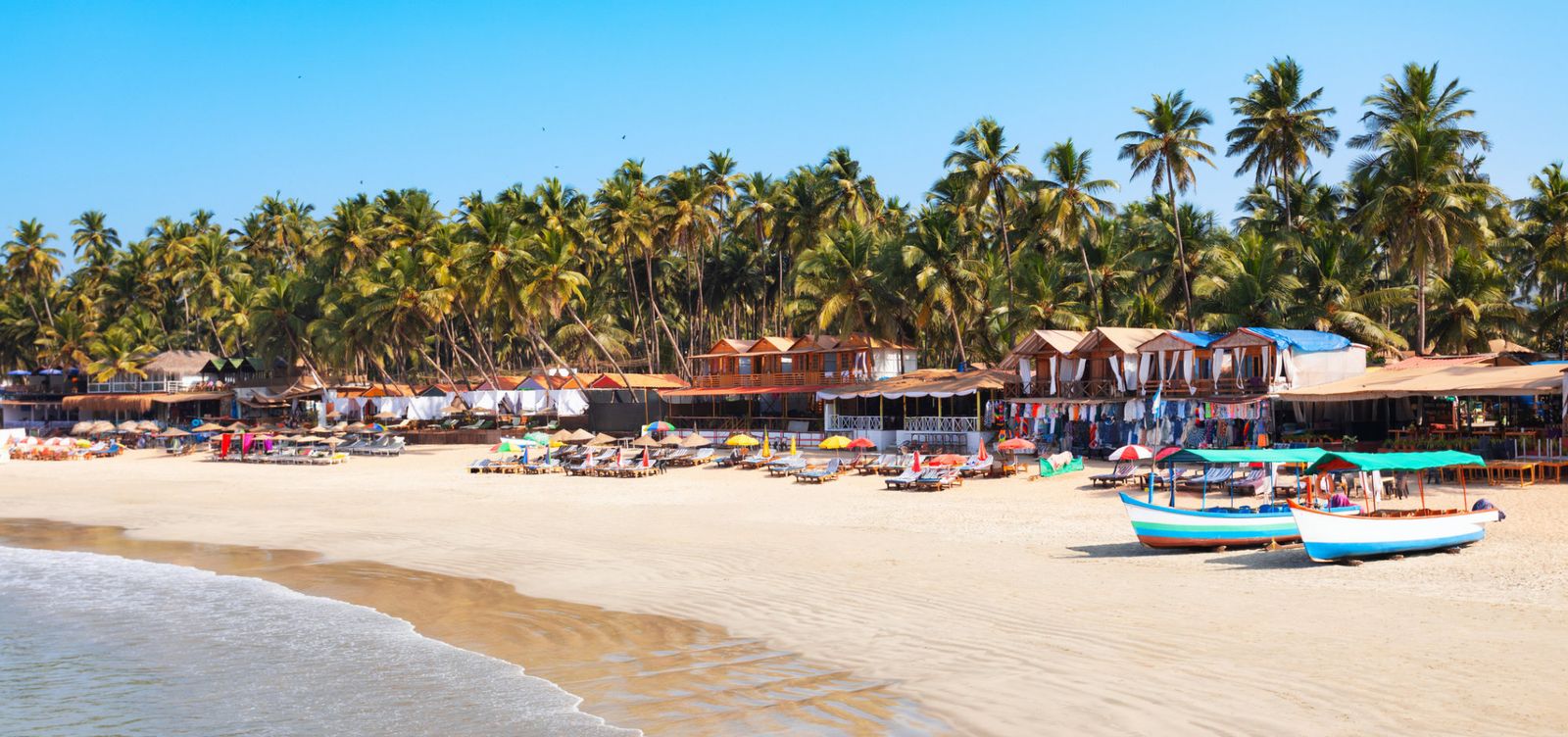
What the water takes away, the sand compensates for. At low tide, the beach widens dramatically into a firm, flat expanse perfect for long morning walks. The sand is darker and denser than what you'd find at Palolem to the south — it packs underfoot like wet clay. At dawn, when the fishing boats are still dragged up above the tide line and the light turns everything copper-rose, the emptiness feels almost theatrical.
Olive ridley sea turtles nest along this stretch between November and March. Conservation volunteers patrol after dark, marking nests with bamboo stakes and rope. If your timing is right, you might witness hatchlings scrambling toward the waterline, though the volunteers rightly keep spectators at a distance. It's one of the few places in Goa where wildlife still dictates human behavior, not the reverse.
Where the Shacks Know Their Place
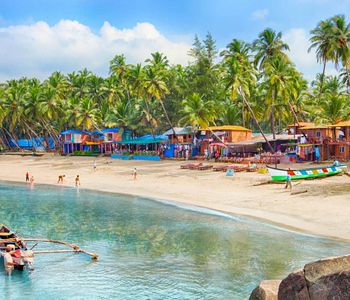
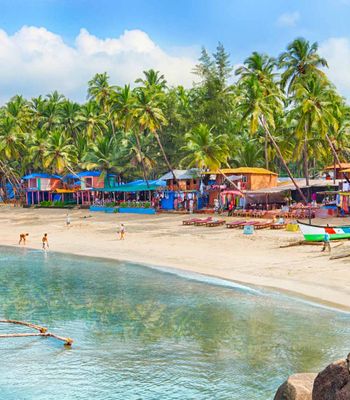
Beach shacks line the back of Agonda's sand, but they operate under different rules here. The local panchayat, backed by environmental regulations, keeps construction seasonal and low-impact. Most structures are bamboo and palm-thatch affairs that go up in October and come down before the monsoon arrives. No concrete. No second stories. No thumping sound systems after ten at night.
The food reflects that restraint. Grilled kingfish arrives on a banana leaf, dal fry comes with chapati, a Kingfisher beer sweats in the afternoon heat. A few shacks attempt wood-fired pizza or pad thai for the European crowd, with mixed results. Stick to the seafood. The catch comes in each morning from the boats you can see bobbing just offshore, and the prawn curry at most shacks is built on a coconut-and-kokum base that's distinctly Goan rather than tourist-generic.
Prices stay reasonable by coastal standards. A full meal with a drink rarely exceeds 500 rupees, though the handful of upscale restaurants attached to boutique stays charge considerably more for essentially the same fish on a nicer plate.
The Geometry of Doing Nothing
Agonda's daily rhythm follows a pattern so predictable it becomes meditative. Mornings belong to yoga practitioners and early walkers. By mid-morning, the beach chairs fill with readers and dozers. Afternoons hollow out as the sun turns punishing — typically peaking above 33 degrees Celsius between March and May. Evenings draw everyone back for sunset, which drops directly into the water here thanks to the beach's westward orientation.
There's no nightlife to speak of. A few shacks host acoustic guitar sessions or screen movies on bedsheets, but by eleven o'clock the beach is dark and silent. For some travelers, this will feel like deprivation. For others, it's the entire point. Agonda self-selects its visitors, and the people you meet here tend to be on longer trips, moving slower, reading thicker books.
Should restlessness strike, a twenty-minute scooter ride south brings you to Palolem, which offers kayaking, boat trips to Butterfly Beach, and a livelier social scene. The contrast is instructive. An hour in Palolem's crowd usually sends Agonda visitors racing back to their quiet stretch of sand.
Getting There Without the Headache
Goa's Dabolim Airport sits roughly 70 kilometers north, and the drive to Agonda takes between ninety minutes and two hours depending on traffic through Margao. Pre-booked taxis charge around 1,500 to 2,000 rupees for the trip. The budget alternative: take a local bus from Margao's Kadamba bus stand to Canacona, then an auto rickshaw for the final eight kilometers. The road from Canacona winds through cashew plantations and laterite hills, narrowing steadily as it approaches the coast.
The new Manohar International Airport at Mopa, further north, adds another hour to the journey. Unless your flight demands it, Dabolim remains the smarter choice for South Goa.
Once you're at Agonda, a scooter rental is the most practical way to explore. Rates hover around 300 to 400 rupees per day, and the roads, while narrow, carry little traffic outside peak season. December and January bring the densest crowds, though "dense" at Agonda still means you can find twenty meters of empty beach in either direction.
Where to Sleep Without Overthinking It
Accommodation ranges from basic bamboo huts directly on the sand to air-conditioned cottages set back among the palms. The beachfront huts, typically priced between 1,500 and 3,000 rupees per night in peak season, offer the best experience. You fall asleep to the sound of waves and wake to it. Walls are thin. Geckos are roommates. Accept both.
A few boutique properties have appeared in recent years, pushing nightly rates above 8,000 rupees. They bring better mattresses and hot showers, though something is lost when you trade bamboo walls for plastered ones. The middle ground works best: a clean hut with a functioning fan, a mosquito net, and a porch where you can sit with coffee and watch the morning light shift from grey to gold.
A Place That Earns Its Silence
Agonda Beach doesn't photograph as dramatically as some of Goa's northern stretches, and it won't give you a story full of adventure and chaos. What it offers instead is rarer: genuine stillness on a coastline that has largely forgotten what that feels like. The turtles return here each year for a reason. The sand holds its shape. The shacks stay small. If you need a beach that performs, look elsewhere. If you need one that simply exists, and lets you do the same, Agonda is waiting — with precisely nothing planned.