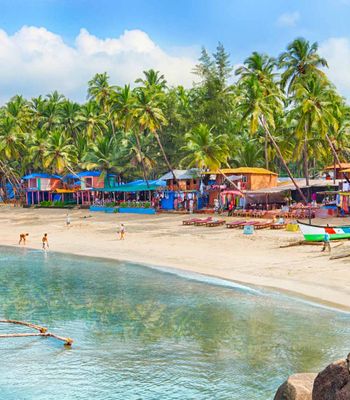
The first thing you notice about East Goa isn't a beach. It's the silence. After the thumping bass lines of Baga and the relentless hawking along Calangute, crossing into the eastern talukas feels like stepping into a different state entirely. The laterite roads narrow, the canopy thickens, and the air takes on the sweet, vegetal smell of jackfruit ripening in somebody's yard. This is the Goa that existed before charter flights and full-moon parties — and it's still very much alive.
East Goa sprawls across a landscape that most visitors to the state never bother to see. The Western Ghats press in from the east, their forested ridges catching monsoon clouds like enormous green nets. Waterfalls that roar in July thin to silver threads by February. The Zuari River, wide and tidal, forms much of the district's western boundary, separating it from the beach-facing half of the state with a kind of quiet authority.
A Capital Few Tourists Trouble to Know
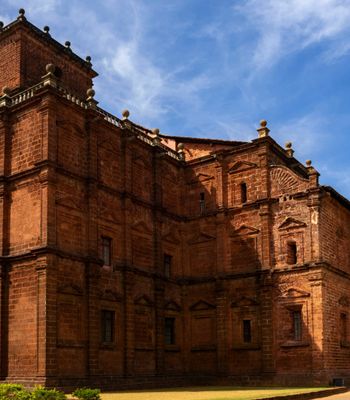
Panjim technically sits at the district's edge, but the real pulse of East Goa beats in Old Goa — Velha Goa, if you prefer the Portuguese. The Basilica of Bom Jesus still holds the mortal remains of St. Francis Xavier in a silver casket, and the interior gloom of the church, with its baroque gilded altarpiece, carries a gravitational weight that photographs never quite convey. Se Cathedral, just across the plaza, is the largest church in Asia — a claim that sounds like brochure inflation until you stand inside and realize your footsteps echo for a full second before dying.
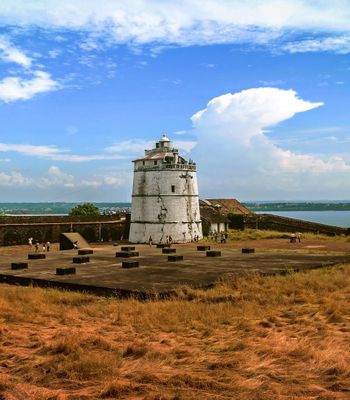
What strikes you about Old Goa isn't the grandeur, though. It's the emptiness. This was once a city that rivaled Lisbon in population, and now it's a handful of monuments surrounded by grass and palm trees. The ruins of St. Augustine's Tower rise above nothing — no streets, no market squares, just a single facade pointing at the sky like a broken finger. That absence tells you more about colonial history than any plaque ever could.
Where the Ghats Begin
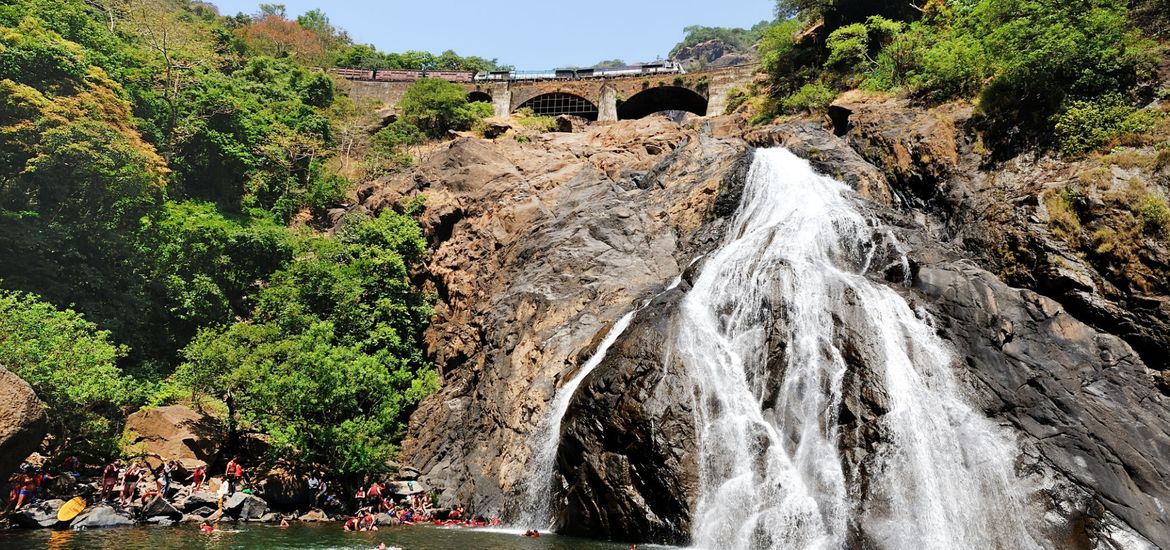
Drive thirty minutes southeast from Panjim and the terrain shifts beneath your wheels. The Bhagwan Mahaveer Sanctuary occupies a vast stretch of the Western Ghats, and inside it, Dudhsagar Falls drops roughly 310 meters in four tiers — a cascade so tall it seems to dissolve into mist halfway down. Reaching it means a jeep ride along rutted forest tracks, and the journey itself earns its keep: you ford shallow streams, duck under overhanging branches, and occasionally catch a Malabar giant squirrel launching itself between trees with improbable grace.
The sanctuary also shelters Tambdi Surla, a twelfth-century Kadamba temple so small and so remote that the Portuguese never found it. That accident of geography preserved its black basalt carvings intact — every last one. The temple sits alone in a forest clearing beside a stream, with no ticket counter, no gift shop, and on most mornings, no other human being in sight. You can run your fingers over carvings of Shiva and Nandi that have survived nine centuries of monsoons without the protection of a velvet rope or a glass case.
Spice and Everything Else the Soil Gives
East Goa's interior is plantation country. Spice farms in Ponda taluka grow cardamom, black pepper, nutmeg, and vanilla in dense, shaded groves where the air smells like a kitchen cabinet left open in the humidity. The best farms don't sanitize the experience — you'll see betel nut being harvested, toddy tappers scaling coconut palms with nothing but a rope and nerve, and lunch arrives on banana leaves with a fish curry that carries the sharp tartness of raw kokum rather than the tomato-heavy version slopped onto plates at beach shacks.
Ponda itself is a temple town, though it wears the title lightly. The Shri Manguesh Temple and Shri Shantadurga Temple, both rebuilt after Portuguese-era destruction, share an architectural style unique to Goa — lamp towers called deepastambhas rise beside the entrances, looking almost like minarets, a visual reminder that Goan Hinduism absorbed influences from every power that passed through. The evening aarti at Manguesh, oil lamps flickering against pale walls, is one of those moments where you stop reaching for your phone and simply stand still.
The Rhythm of a Slower Day
East Goa doesn't cater to the flip-flop-and-sunburn crowd, and that's precisely its appeal. Accommodation runs to heritage houses and modest homestays rather than resort complexes. Meals revolve around pork vindaloo made with proper palm vinegar, sannas steamed in coconut milk, and bebinca — a layered Goan dessert that demands the patience of a saint and the butter reserves of a French patisserie.
Here's the counterintuitive thing about this side of Goa: it rewards you most when you do the least. You measure the day not by beach sunset but by the changing light on a laterite hillside, by the sound of church bells mixing with temple chimes across a river valley, by the specific green of a paddy field in October when the monsoon starts to pull back. East Goa asks nothing of you except attention. In a state famous for excess, that restraint is its most radical quality.