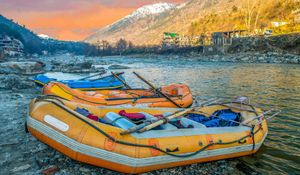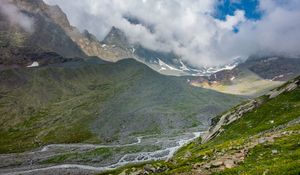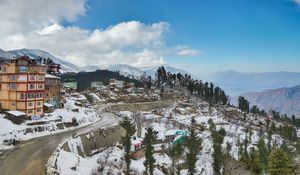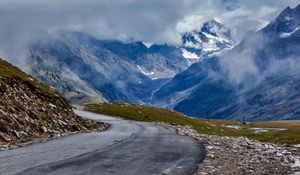
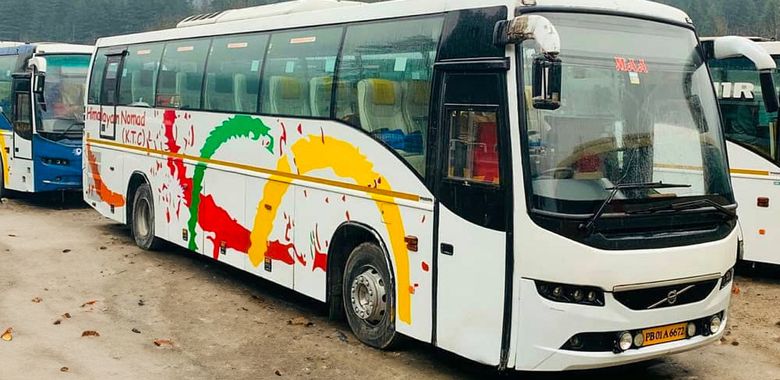
Manali sits at 2,050 metres in the Kullu Valley, where the Beas River runs cold and fast and the air hits you with the sharp, resinous bite of deodar cedar before you've even stepped off the bus. It's a town that can't quite decide what it is — half hill station kitsch, half genuine Himalayan settlement, with ancient temples standing unbothered beside juice bars and fleece shops on Mall Road. The mountains here aren't decorative. They press in close, snow-streaked even in late spring, and at night the temperature drops hard enough to remind you that Rohtang Pass is only an hour north and the road beyond it leads to Ladakh. The Volvo from Delhi climbs through darkness, trading the heavy plains air for something thinner, colder, and altogether more alert — and by dawn, you're in a different country without having crossed a single border.
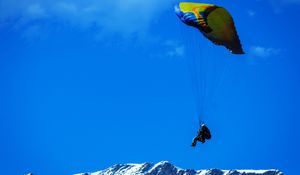
This is a compressed trip — two nights, no filler. You'll arrive in Manali with bus-stiff legs and that particular elation of waking up in the mountains after falling asleep in Delhi. The first day belongs to the old village and the Hadimba Temple, where the forest floor is soft with pine needles and the silence feels almost aggressive after fourteen hours on the highway. Day two pushes higher — to Solang Valley or Rohtang, depending on the season and whether the roads have decided to cooperate — before the return journey begins that same evening. It's fast. It has to be. But here's the counterintuitive thing about Manali: the valley gives you more per hour than most destinations manage in a week. The overnight Volvo travel means you don't sacrifice a single daylight hour to transit, and the compression itself becomes a kind of discipline — you pay attention because you know you're leaving.