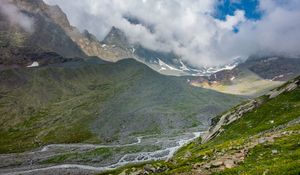
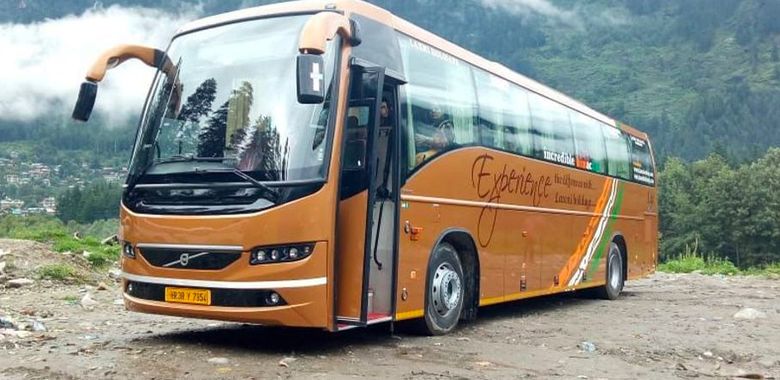
Dharamshala sits at the edge of the Dhauladhar range in a way that feels almost confrontational — the plains drop behind you and then, without ceremony, the mountains just arrive. The lower town sprawls and clatters with the ordinary business of a Kangra Valley market hub: truck horns, tea stalls with aluminium kettles, the smell of pakoras frying in mustard oil. But climb ten minutes and the air changes. McLeod Ganj, the upper settlement, carries a different frequency altogether — Tibetan prayer flags snapping in the wind, monks in maroon robes crossing narrow lanes, the faint sweetness of juniper incense drifting from monastery doorways. This is a place defined by altitude and exile, where the Himalayas don't serve as backdrop but as the entire point. The overnight Volvo from Delhi is part of the experience: twelve hours through the northern plains, the landscape shifting from flat Punjab farmland to the first serious hills of Himachal Pradesh, arriving in the early mountain light with stiff legs and clear eyes.
This three-day package is compressed but deliberate. You'll spend two full nights in Dharamshala, which gives you enough time to walk the kora around the Dalai Lama's temple complex, eat a proper bowl of thukpa at a Tibetan kitchen where the broth has been simmering since dawn, and stand at Triund's lower ridgeline where the valley drops away beneath your feet in a single green plunge. The pace moves from the grit of overnight travel to the quiet of monastery courtyards to the physical satisfaction of mountain trails. You'll cover the Kangra art museum, the cricket stadium that has no business being this dramatic, and the narrow lanes of McLeod Ganj where bookshops sell secondhand Dharma texts next to cafes pouring real espresso. It's a short trip, but it doesn't feel rushed — it feels intentional. The mountains will still be there when you leave. You just won't be ready to go.