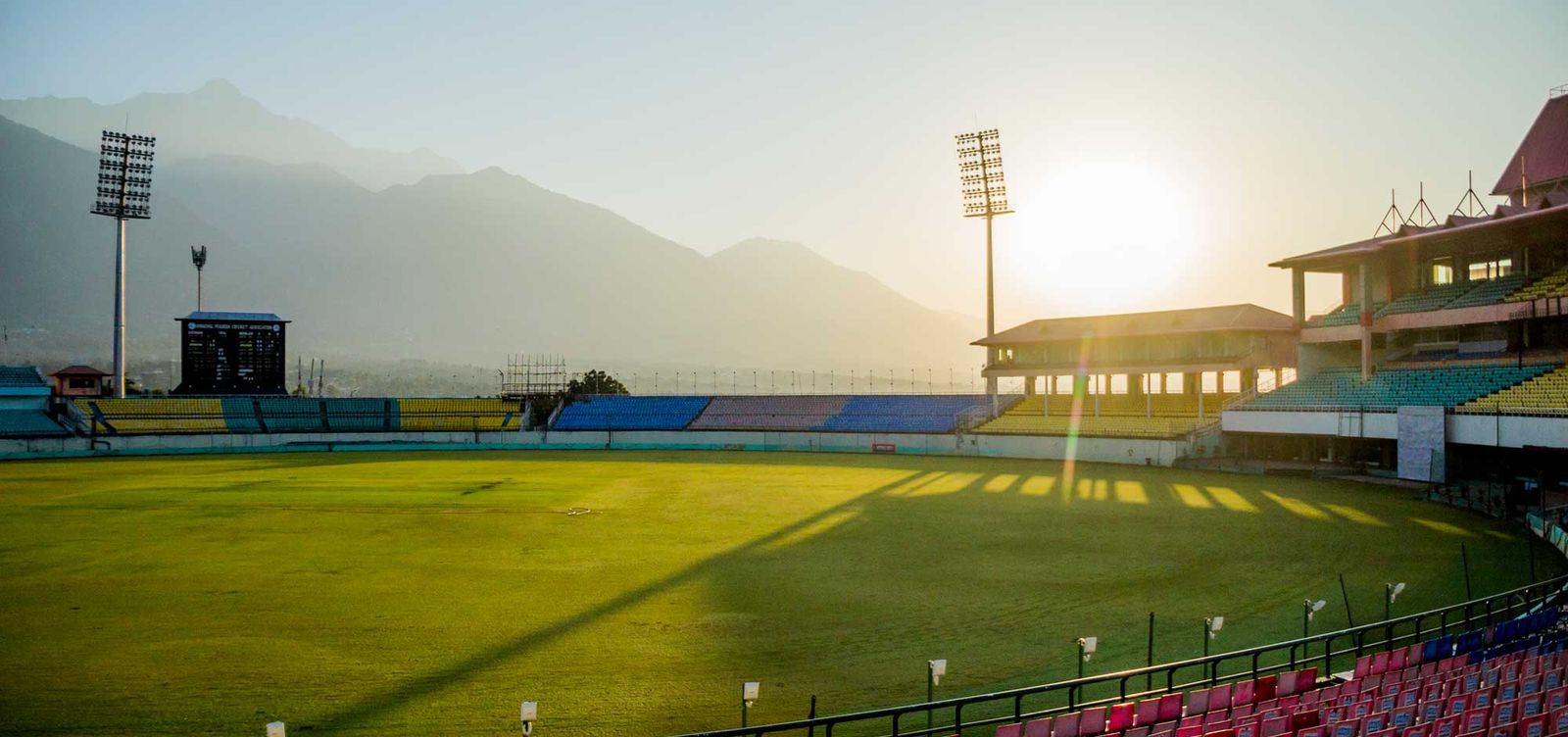
At 1,457 metres above sea level, the Dharamshala Cricket Stadium doesn't just host cricket — it warps your sense of what a sporting venue should be. The Dhauladhar range rises directly behind the outfield, snow-capped peaks forming a backdrop so improbable that first-time arrivals spend more time with their phone cameras aimed at the mountains than at the match. Officially named the Himachal Pradesh Cricket Association Stadium, this ground in a small hill town has become one of the most recognizable cricket venues on earth, despite seating only around 23,000 spectators. It's not the biggest. It's not the oldest. But no other cricket ground anywhere makes you forget the sport entirely for a moment just because you looked up.
Built Against All Common Sense
Carving a cricket stadium into a hillside at altitude sounds like a decision made by people who'd never seen a hillside. For years, plenty of critics said exactly that. The HPCA Stadium was established in 2003, wrenched from terrain that seemed hostile to the very idea of flat ground. The outfield had to be levelled from what was essentially a slope, and drainage remains a perpetual engineering headache given the monsoon rains that batter Dharamshala from July through September.
The ground hosted its first international match — an ODI between India and England — in January 2013. India won, but nobody remembers the scorecard. What they remember is the television footage: a professional cricket ground where the sightscreen competed with Himalayan cedar forests for your eye. By 2017, when India hosted Australia in the stadium's Test match debut, the reputation was sealed. This was a venue that rewarded anyone stubborn enough to make the journey.
Where Thin Air Rewrites the Rules
Cricket at 1,457 metres refuses to behave the way it does at sea level. The ball travels faster through thinner air. Swing bowlers find less assistance, while batsmen discover the ball races off the pitch with startling pace. During day-night matches, the temperature can plunge ten degrees Celsius between the afternoon session and the evening, and fielders regularly breathe visible clouds as the Himalayan cold drops like a curtain.
This isn't trivia — it fundamentally reshapes what happens on the field. Visiting teams have openly admitted that adjusting to the altitude costs them a full session. Your lungs will notice it too if you're climbing the steep approach road from the town centre. Take your time. The stadium isn't going anywhere.
What the Broadcast Flattens Out
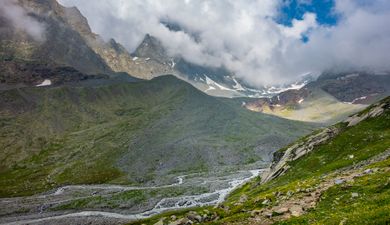
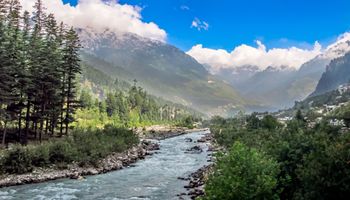
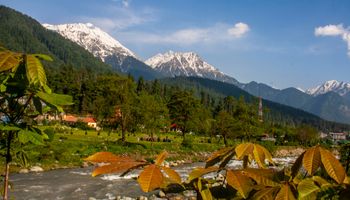
Television compresses the Dharamshala experience into a postcard. In person, it's the scale that undoes you. The Dhauladhar peaks — some exceeding 4,500 metres — loom so close behind the stadium they seem to lean in, curious about the score. On clear mornings, the snow line looks sharp enough to cut paper. By afternoon, clouds often swallow the upper ridges entirely, and the mountains vanish as if they'd been imagined.
The acoustics are strange here. Most stadiums trap noise in concrete bowls and amplify it into a single roar. Dharamshala's open hillside setting lets crowd noise leak into the valley. The eruption after a wicket feels oddly intimate — loud but not crushing. Between overs, you hear wind moving through the deodar trees that line the perimeter. Nature interrupting sport. It shouldn't work, but it does.
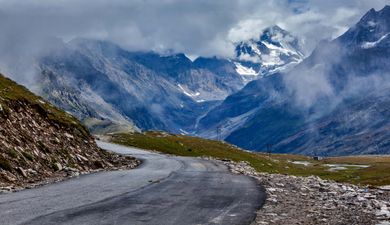
Then there's the approach. The stadium sits above the main town, and reaching it means a steep, winding road that will have a word with your calves. During match days, locals line the route selling chai and momos, and the smell of steamed dumplings and cardamom trails you uphill like an escort. By the time you reach the gates, you've earned your seat in the most literal sense.
When the Pitch Is Empty
No international fixture is scheduled most of the year, and the stadium still draws people. The HPCA allows tourists to enter the grounds on non-match days, though access policies and small entry fees can vary. Walk onto the outfield if permitted, and stand at the centre wicket. The Himalayas fill your entire northern horizon. That view alone justifies the climb.
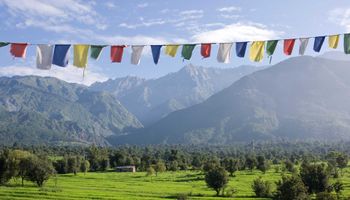
Dharamshala's proximity to Mcleod Ganj, the seat of the Tibetan government-in-exile, means most travellers fold a stadium visit into the broader hill-town experience. The two sit roughly five kilometres apart. An auto-rickshaw ride between them takes about twenty minutes, threading through pine forests and past Tibetan monasteries draped in prayer flags. Buddhist prayer halls one hour, cricket ground the next — that tonal whiplash captures something essential about this particular corner of Himachal Pradesh.
When to Show Up
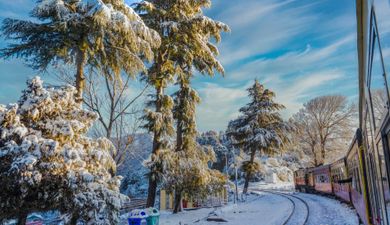
The cricket calendar here is compressed. Matches typically happen between October and May, when rain is less likely to wash out play. The monsoon months from late June through September make the stadium largely impractical — waterlogged outfields and low cloud cover conspire against any meaningful cricket. If you're coming specifically for a match, the winter fixtures in January and February deliver the sharpest mountain views. Snow on the Dhauladhar peaks sits at its heaviest, and the contrast between white summits and green outfield borders on absurd.
March and April bring warmer days and rhododendron blooms across the hillsides, making them ideal for pairing cricket tourism with trekking. Carry layers regardless of the month. Evenings at this altitude cool fast, and stadium seating in a Himalayan breeze at dusk will teach you something about how efficiently concrete stores cold.
The Logistics, Honestly
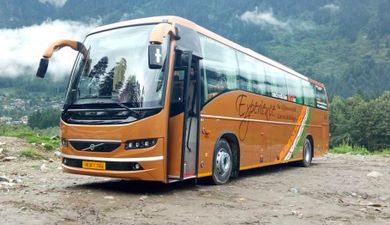
Dharamshala's nearest airport is Gaggal, officially Kangra Airport, about 13 kilometres south of town. Flights connect to Delhi, Chandigarh, and occasionally Mumbai, though schedules shift seasonally and weather cancellations aren't uncommon. A more reliable option is the overnight bus from Delhi — roughly ten to twelve hours depending on road conditions and your driver's relationship with speed limits. The Volvo sleeper services run by HRTC are the most comfortable choice.
From within Dharamshala, local taxis and auto-rickshaws reach the stadium in minutes. On match days, expect traffic to seize up on the narrow hill roads. Leave early. The town's infrastructure was built for a population of around 50,000, not for the surge that an India international attracts.
A Ground That Doesn't Need to Compete
Dharamshala Cricket Stadium has no interest in rivalling the MCG's capacity or Lord's history. It doesn't need to. What it offers is something no other ground can replicate — a place where sport unfolds against a geological backdrop so dramatic that even the players pause between deliveries to glance at the peaks. Here's the counterintuitive truth: the less you care about cricket, the more this stadium might move you. The mountains don't require context. They don't ask for your fandom. They simply stand there, indifferent and enormous, making everything below them — the match, the crowd, the entire apparatus of professional sport — feel both small and, somehow, more meaningful for it.