Chandigarh prides itself on geometric order — the wide, numbered sectors, the careful Le Corbusier grid — and yet here, barely ten minutes from Sector 1, the straight lines dissolve into dry deciduous scrub and the hum of traffic fades into something far older. Sukhna Wildlife Sanctuary exists almost as a rebuttal to the planned city at its doorstep, a reminder that no amount of modernist design can fully domesticate the Shivalik foothills.
Spread across roughly 26 square kilometers along the catchment area of Sukhna Lake, the sanctuary climbs northeast into low, rocky ridges thick with native trees. The terrain is deceptive. On a map, it looks minor — a slender strip of protected land pressed against the city's northern edge. On foot, it feels vast. Dry khair and sisham forests give way to scrubby grasslands, and the elevation changes are just enough to leave your calves burning without ever approaching anything dramatic. This isn't Himalayan grandeur. It's subtler than that, and in many ways more rewarding for it.
A City's Quiet Backyard
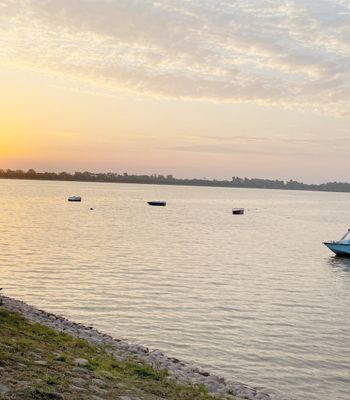
What makes Sukhna unusual is its proximity to a city of over a million people. Most Indian wildlife sanctuaries require a journey — hours on a bus, a bone-jarring ride down a forest road, some genuine logistical commitment. Sukhna asks almost nothing. You can eat breakfast in Sector 17's cafes, walk to the lake's northern shore, and be inside the sanctuary boundary before your coffee wears off.
That accessibility is both its gift and its complication. The sanctuary was declared in 1998, primarily to protect the fragile catchment zone feeding Sukhna Lake from siltation and encroachment. Conservation here isn't about charismatic megafauna or safari jeeps. It's about hydrology — keeping the seasonal streams clear so the lake doesn't slowly choke on eroded soil. The wildlife is almost a secondary benefit, though a significant one.
What Moves Through the Trees
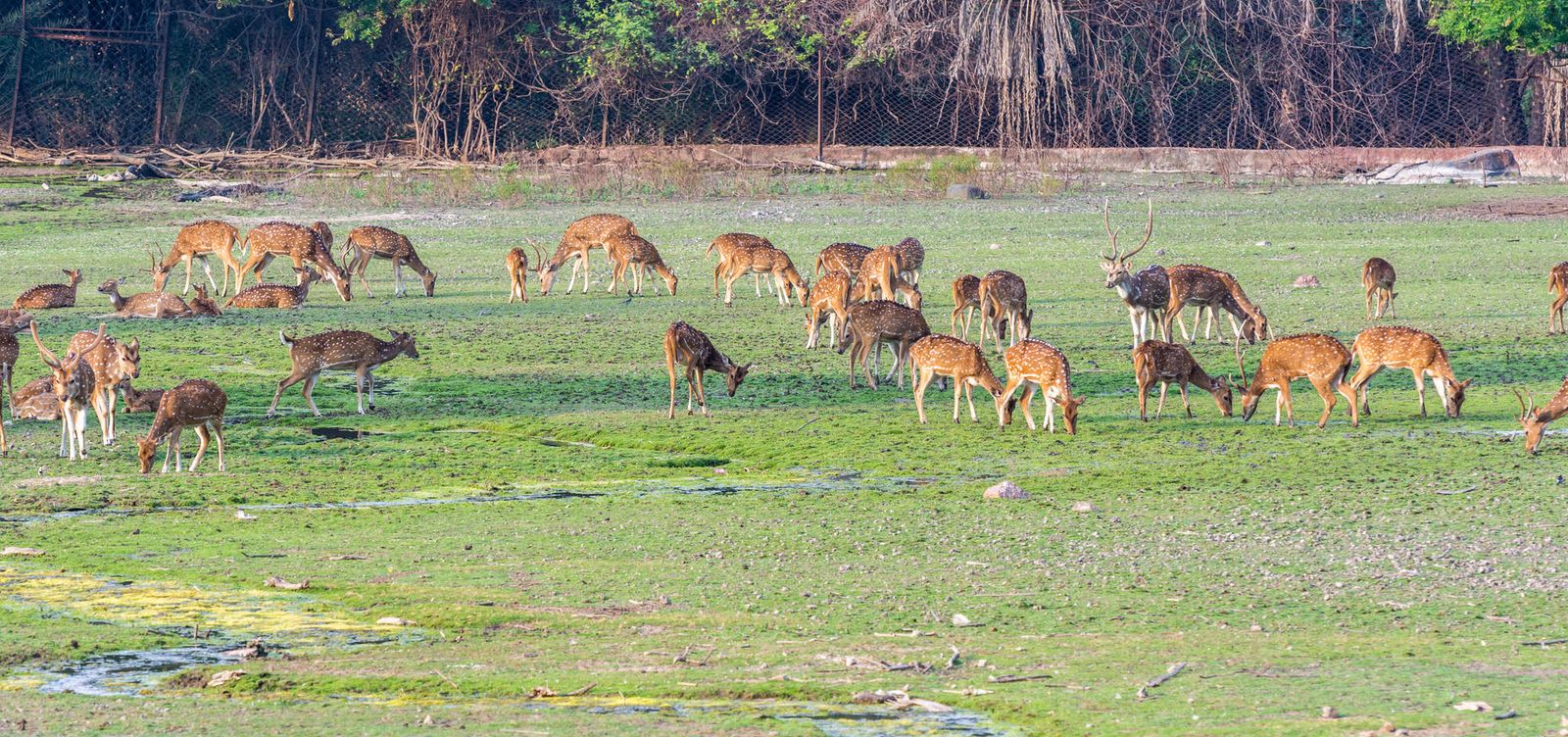
Sambar deer are the largest residents, and you'll spot them most reliably in the early morning when they drift toward water sources. Barking deer are here too, shyer and smaller, vanishing into the undergrowth with a sharp alarm call that sounds exactly like its name. Indian hares dart between thorny bushes. Jackals appear at dusk — thin silhouettes briefly visible on ridgelines before they melt into nothing.
The birdlife is where Sukhna genuinely surprises. Over 150 species have been recorded. Grey hornbills move through the canopy in ungainly hops. Indian pittas — electric green and cobalt — arrive during the monsoon months, their two-note whistle carrying absurdly far through the wet forest. Sit still near one of the seasonal streams long enough and you might catch a white-capped water redstart working the rocks. For a sanctuary this close to urban sprawl, the diversity feels almost defiant.
There are no tigers. No leopards — at least not resident ones, though occasional reports surface of transient cats passing through from the deeper Shivalik forests. Don't come expecting spectacle. Come expecting a slow, observant morning where the rewards match your patience exactly.
Walking the Foothills
The best way to experience Sukhna is on foot, ideally between October and March when the heat relents and migratory birds thicken the population along the lake's edge. Trails aren't formally marked the way national parks manage their routes, and independent entry into the core area requires permission. Local naturalist groups occasionally organize guided walks — worth seeking out, not for the logistics but for the knowledge. A trained eye spots things you'll walk right past: a raptor nest high in a dead trunk, the scratchings of a porcupine at the base of a khair tree.
Summer is punishing. April through June, temperatures in the Shivalik foothills push past 40 degrees Celsius, and the dry forests offer sparse shade. The monsoon, from July to September, transforms the landscape into something almost unrecognizable — green, dripping, alive with insects and amphibians — but the trails turn treacherous and access can be restricted.
What the Guidebooks Leave Out
Here's the counterintuitive truth about this place: Sukhna Wildlife Sanctuary matters more for what it prevents than for what it contains. Without this protected buffer, erosion from the Shivalik hills would have silted up Sukhna Lake decades ago, and Chandigarh would have lost the one feature that softens its relentless concrete rationality. The deer and hornbills are a bonus. The real work of this sanctuary is invisible — holding soil in place, filtering runoff, keeping a city's most beloved public space from slowly dying.
That knowledge changes how you walk through it. You stop looking for the postcard moment and start noticing the ground itself — the way roots grip the loose, gravelly hillside, the way a seasonal nullah carves its channel clean after the rains. It's conservation stripped of romance, doing its work quietly while Chandigarh hums along a few kilometers south.
Sukhna won't rank on anyone's list of India's most thrilling wildlife destinations. It isn't trying to. What it offers instead is something rarer — a place where a city and a forest negotiate their boundary in real time, and where the forest, for now, still holds its ground.